
Size
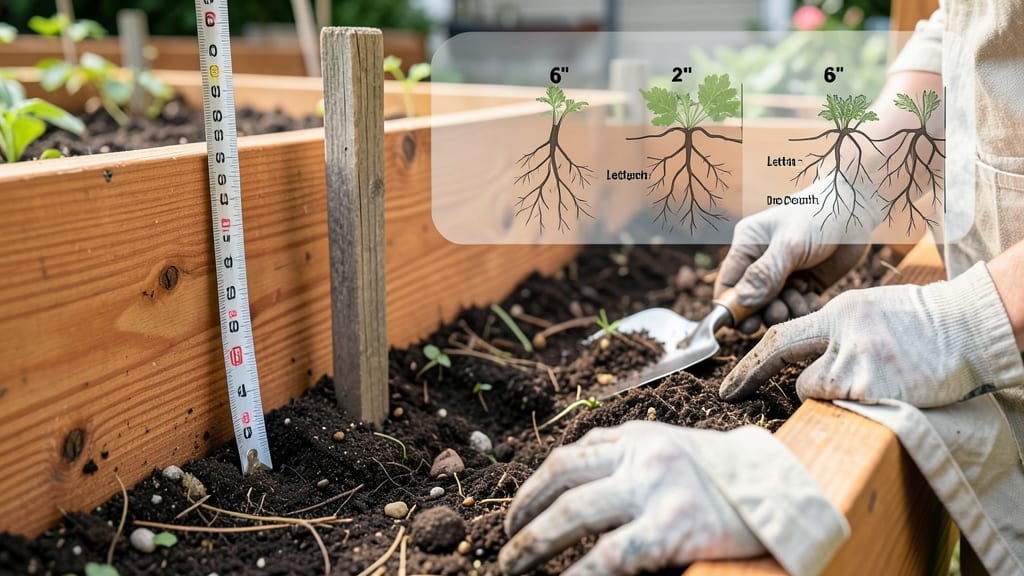
To determine how tall a raised garden bed should be, aim for 6 to 12 inches for most vegetables, balancing root space with easy maintenance. Deeper beds (12–18 inches) accommodate root crops, while taller beds (18+ inches) enhance drainage in heavy soils or container setups.
Height isn't just about fitting plants—it's about creating an ecosystem where roots thrive without sacrificing your comfort. 🌱 For example, shallow-rooted veggies like lettuce or herbs only need 6 inches of soil, while deep-rooted varieties such as tomatoes or carrots demand 12+ inches to grow fully.
Taller beds also help prevent soil compaction, letting water and air reach roots more efficiently. I've found that 18-inch beds work best for container gardening or clay-heavy soils, where drainage becomes critical.
Don't overlook accessibility—kneeling for hours can take a toll. A 12-inch bed height lets most people plant and harvest without straining, while 18-inch beds require stools or kneelers. If you're using cedar or composite lumber, check weight limits too; taller beds need sturdier frames to avoid sagging over time.
💡 In This Article
- Root Depth Requirements for Different Plants
- Accessibility and Practical Considerations for Raised Beds
Root depth requirements for different plants
Plant roots aren't one-size-fits-all—they come in shallow and deep varieties that directly influence your bed's height needs. Shallow-rooted plants like lettuce, spinach, or herbs thrive in just 6 inches of soil, while medium-rooted crops such as beans, peppers, or cucumbers need 10-12 inches for proper nutrient absorption.
The real game-changer? Deep-rooted vegetables like carrots, potatoes, or asparagus require 12-18 inches of soil to develop fully, as their roots grow vertically to access water and nutrients beyond the topsoil layer. 🌱
Here's how soil volume translates to growth: A 6-inch bed offers about 1 cubic foot of soil per square foot of bed, while an 18-inch bed provides 3 cubic feet—that's three times the root space!
This extra depth prevents roots from competing for nutrients and allows better water retention in sandy soils. For example, a carrot planted in a 6-inch bed might only reach 4-6 inches long, while the same variety in an 18-inch bed can grow to its full 12-inch potential. The science?
Deeper beds reduce soil compaction and improve aeration at lower levels.
Drainage becomes critical with height. Shallow beds (6 inches) can become waterlogged quickly, especially in clay soils, while deeper beds (12+ inches) allow excess water to drain away from root zones.
This is why taller beds excel in heavy soils—water percolates through the additional depth rather than pooling at the surface. For instance, a 12-inch bed in clay soil might stay moist for 2-3 days after rain, while a 6-inch version could remain soggy for a week, risking root rot. 💧
Don't forget about nutrient distribution. Shallow beds require more frequent fertilization since nutrients deplete faster in limited soil volume. A 12-inch bed, however, can support slow-release fertilizers for 6-8 weeks without top-ups, thanks to the larger reservoir.
This is particularly useful for heavy feeders like tomatoes, which need consistent nutrients to produce fruit. The trade-off? Deeper beds cost more in materials and labor, so balance your plant choices with your bed height.
Pro tip: Layer your soil! Even a 6-inch bed can accommodate deep-rooted plants if you use a mix of 3 inches of topsoil, 2 inches of compost, and 1 inch of sand for drainage.
This mimics the natural soil profile and gives roots room to explore downward. For example, I've grown 10-inch carrots in 8-inch beds using this technique—proof that smart layering beats brute-force depth. ✨