
Tools
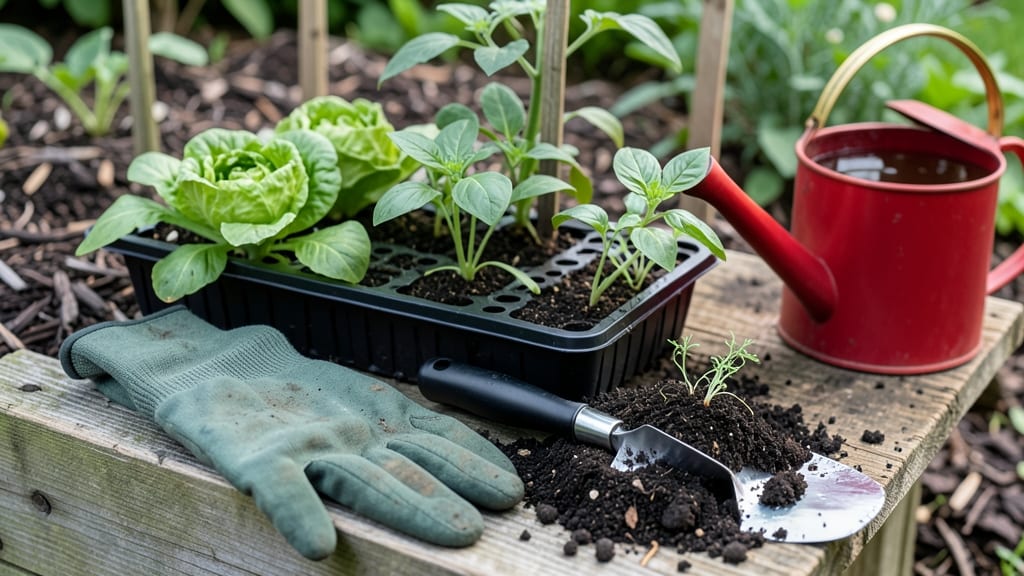
To start a garden in your backyard, begin by picking a sunny location, testing your soil's quality, and clearing away weeds or rocks. Opt for easy-to-grow plants like basil or spinach, sketch a simple layout, and enrich the soil with compost before planting seeds or young plants in early spring or late summer.
Starting a garden feels overwhelming at first, but focusing on the basics makes all the difference. 🌱 Most backyard gardens thrive with 6+ hours of sunlight daily, so check your yard's exposure before committing to a location.
I always recommend beginning with perennial herbs like rosemary or fast-growing greens—they're forgiving for beginners and yield quick rewards. The key is starting small: a 4'x8' raised bed or even container pots can produce amazing results without overwhelming your schedule.
Don't underestimate soil prep—even "good" dirt benefits from a 2-3 inch layer of compost to improve drainage and nutrient retention. Many local garden centers offer affordable soil tests ($20-$30) that reveal pH levels and mineral deficiencies.
I've seen firsthand how amending soil with compost or aged manure can transform struggling plants into thriving ones within just a few weeks.
💡 In This Article
- Essential Backyard Garden Planning Steps
- Beginner-Friendly Backyard Garden Layout Ideas
Essential backyard garden planning steps
Your garden's success starts with sunlight assessment—most vegetables and herbs need 6-8 hours of direct sunlight daily, while leafy greens tolerate 4-6 hours. Use a sunlight tracker app for a week to map your yard's sun patterns.
I've seen beginners choose shady spots for tomatoes, which then struggle to produce fruit. The golden rule: Observe your space before buying seeds or plants. 🌞 Pro tip: South-facing areas in the Northern Hemisphere get the most consistent light.
Soil quality determines plant health more than any other factor. A simple DIY test involves squeezing a handful of moist soil—if it crumbles easily, it's loose and well-draining; if it forms a tight ball, it's clay-heavy.
Most backyard soils need amendments: Sandy soils benefit from 2-3 inches of compost, while clay soils improve with organic matter like peat moss. The ideal pH range for most vegetables is 6.0-7.0, though blueberries prefer 4.5-5.5. A $20 soil test kit reveals these specifics.
Timing matters just as much as location. Spring planting (after last frost) and fall planting (6-8 weeks before first frost) give plants optimal growing conditions.
In most regions, this means starting cool-season crops like lettuce in early spring or late summer, while warm-season plants like peppers need soil temperatures above 60°F. Check your USDA hardiness zone to align planting with local climate patterns.
I've had the best luck with fast-maturing varieties—like 'Early Girl' tomatoes or 'Black Seeded Simpson' lettuce—that produce harvests in 50-60 days.
Beginner-friendly plants should match your experience level and available time. Herbs like basil and parsley grow aggressively but require regular harvesting, while lettuce and radishes mature quickly with minimal care. Perennials like asparagus and rhubarb offer multi-year rewards but need 2-3 years before producing significant harvests.
Consider your yard's size too: A 4'x8' raised bed holds about 32 square feet—enough for 16 tomato plants spaced 2 feet apart or 64 lettuce plants in 6-inch spacing. 🌱
Don't overlook drainage—water pooling around plants leads to root rot. Test drainage by digging a 12-inch hole, filling it with water, and timing how long it takes to drain. If it takes longer than 4 hours, your soil may need sand or perlite amendments.
For container gardens, ensure pots have drainage holes and use lightweight potting mix rather than garden soil. The right drainage prevents more plant failures than any other single factor.
Layout planning prevents future headaches. Sketch your garden on graph paper, using 1 square = 1 square foot. Group plants by water needs (e.g., drought-tolerant rosemary near the edge) and height (tall plants like sunflowers at the north side to avoid shading shorter crops).
Leave 18-24 inches of walking space between rows for easy maintenance. I've found that beginners often underestimate how much space mature plants will occupy—always check seed packets for "mature size" measurements.