
Vegetables
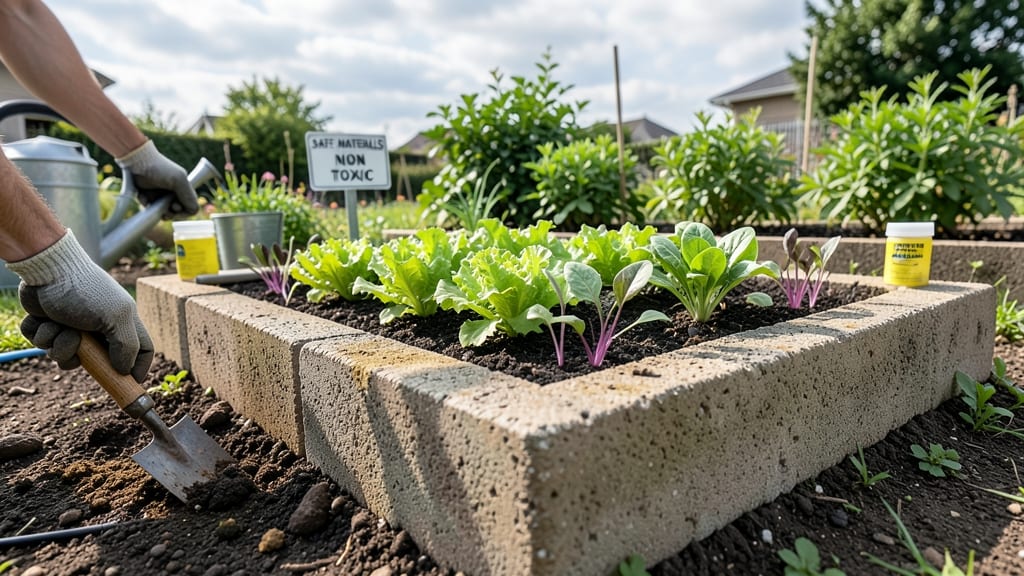
Cinder blocks are generally safe for vegetable gardens when used as raised bed borders, but their alkaline leaching can raise soil pH over time, potentially harming acid-loving plants like tomatoes or blueberries. Always line with landscape fabric and monitor soil chemistry regularly.
Cinder blocks are a popular choice for raised garden beds because they're durable and easy to assemble.
However, their alkaline nature can gradually change your soil's pH levels, which might not suit all plants. 🌱 The calcium carbonate and lime in cinder blocks can leach into the soil, making it less acidic over time.
This is especially problematic for vegetables like potatoes, strawberries, or azaleas that prefer slightly acidic conditions. To minimize risks, always use a barrier like landscape fabric between the blocks and soil, and test your soil pH regularly to make adjustments as needed.
For acid-sensitive crops, consider using alternative materials like untreated wood or composite lumber for your raised beds. These options won't affect your soil chemistry while still providing the benefits of elevated planting.
If you do use cinder blocks, focus on planting vegetables that tolerate neutral to slightly alkaline soil, such as beans, squash, or Swiss chard. This way, you can enjoy the convenience of cinder block gardens without compromising your harvest.
💡 In This Article
- How Cinder Blocks Affect Soil pH and Plant Nutrition
- Safe Cinder Block Garden Designs for Vegetable Beds
How cinder blocks affect soil pH and plant nutrition
The primary concern with cinder blocks in vegetable gardens stems from their chemical composition. These blocks are typically made from coal ash, clay, and limestone, which contains high levels of calcium carbonate (CaCO₃) and other alkaline minerals.
When exposed to moisture—whether from rain, irrigation, or condensation—the alkaline compounds gradually leach out through a process called efflorescence. This creates a thin, white residue on the blocks' surface and introduces alkaline minerals into the surrounding soil.
This alkaline runoff can raise soil pH over time, sometimes by 0.5-1.5 points per season depending on rainfall and block age. For reference, most vegetables prefer a neutral pH of 6.0-7.0, while acid-loving plants like blueberries (4.5-5.5) or potatoes (5.0-6.0) will suffer.
The calcium carbonate in cinder blocks acts like agricultural lime, slowly neutralizing acidic soils—a process that can take 1-3 years to become noticeable but irreversible without intervention. 🌱
The impact varies by plant type. Leafy greens like spinach or kale tolerate slightly alkaline conditions, while fruiting plants often show stress symptoms first. Tomatoes, for example, may develop blossom-end rot (calcium deficiency) or stunted growth when soil pH exceeds 7.0.
The alkaline minerals also compete with essential nutrients like iron and manganese, leading to yellowing leaves even when soil tests show adequate fertilizer levels.
Interestingly, the effect isn't uniform across all cinder blocks. Newer blocks release more alkalinity initially, while older, weathered blocks may stabilize after 2-3 years of exposure. The block's porosity also matters—hollow-core blocks leach more than solid ones because of increased surface area contact with moisture.
For gardeners using cinder blocks, this means monitoring soil pH annually and being prepared to amend with elemental sulfur or peat moss if levels drift toward 7.5 or higher.
Consider this real-world example: A garden in Arizona using cinder blocks for tomato beds saw pH rise from 6.2 to 7.8 over two years, despite regular compost additions. The solution?
Installing a 6-mil polyethylene liner between blocks and soil reduced leaching by 60% while maintaining structural integrity. This demonstrates how proper installation can mitigate—but not eliminate—the alkaline impact.
The key takeaway is that cinder blocks aren't inherently dangerous, but their chemical properties require proactive management. For acid-sensitive crops, the risk outweighs the convenience unless you're willing to commit to regular pH testing and soil amendments.
For neutral-tolerant vegetables, they can be an excellent, long-lasting garden material with minimal effort.