
Tools
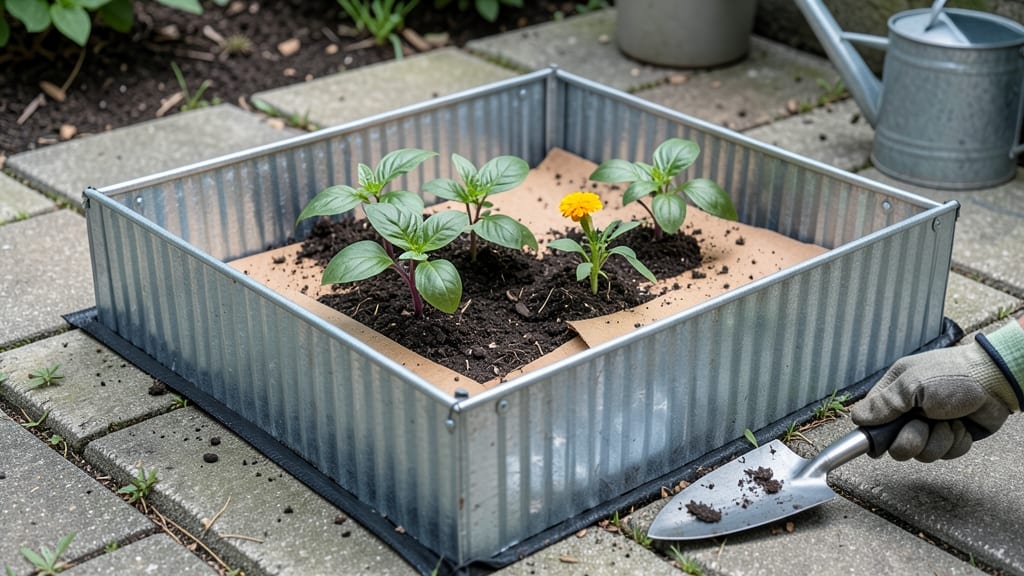
Corrugated metal is safe for garden beds only when made from galvanized steel, aluminum, or copper, as these materials resist rust and release minimal harmful chemicals. Untreated steel or metals coated with lead/chromium can leach toxins into soil, harming plants and soil health, so always verify material safety certifications before installation.
Corrugated metal's safety depends entirely on its composition and finish.
Galvanized steel, for example, uses a zinc coating that protects against rust but can slowly degrade in acidic soils, potentially raising zinc levels. 🌱 Aluminum is non-toxic and lightweight, making it ideal for temporary beds, while copper—though antimicrobial—can accumulate in soil over years, affecting sensitive plants like blueberries.
The key is avoiding untreated steel or painted metals containing lead or chromium, which are outright dangerous for edible gardens.
For long-term use, consider alternatives like cedar or composite lumber, which naturally resist rot and won't leach chemicals. Bricks or pavers work well for heavy root crops, while recycled plastic offers durability without toxicity.
Always weigh your plants' needs—leafy greens tolerate metal beds better than root vegetables, which may absorb trace metals over time.
💡 In This Article
- Toxicity Risks of Corrugated Metal in Soil
- Plant-Safe Alternatives for Raised Garden Beds
Toxicity risks of corrugated metal in soil
The safety of corrugated metal in garden beds hinges on its chemical composition and how it interacts with soil. Galvanized steel, for instance, relies on a zinc coating that protects against rust but can slowly degrade, especially in acidic soils with a pH below 6.5.
When zinc leaches into soil, it can reach toxic levels for plants, particularly sensitive varieties like beans or lettuce. The EPA classifies zinc as a potential contaminant at concentrations above 500 parts per million (ppm), which can occur in metal beds over 3-5 years of use.
Aluminum, another common material, is generally non-toxic but can become problematic in acidic soils where it dissolves more readily. Copper, while antimicrobial and safe for ornamental plants, can accumulate in soil over time, affecting crops like blueberries that require acidic conditions (pH 4.5-5.5).
The real danger lies in untreated steel or metals coated with lead or chromium—both are known carcinogens and can leach into soil, contaminating edible plants. A single 10-foot section of lead-coated metal could introduce harmful levels of lead into a garden bed within 1-2 years.
Weathering accelerates these risks. Rainwater, temperature fluctuations, and soil microorganisms all contribute to corrosion, especially in thinner corrugated sheets. For example, a galvanized steel bed in a humid climate may show visible rust within 12-18 months, while aluminum might last 5-7 years before significant leaching occurs.
The key is monitoring soil pH and choosing metals that align with your garden's conditions—alkaline soils (pH 7.0+) reduce zinc leaching, while acidic soils demand copper-free alternatives.
Plant uptake varies by species. Root vegetables like carrots or potatoes absorb more metals than leafy greens, making them higher-risk crops in metal beds. The EPA's soil screening levels for residential gardens set safe limits for zinc at 75 ppm and copper at 40 ppm.
Regular soil testing every 1-2 years can help you track metal accumulation and adjust your garden plan accordingly.
For long-term safety, opt for certified corrosion-resistant materials. Look for labels indicating ASTM A653 (galvanized steel) or ASTM B209 (aluminum) standards, which ensure minimal leaching. Avoid painted or coated metals unless they're labeled as food-safe and free from heavy metals.
If you're unsure, a simple soil test kit ($20-$30) can reveal whether your garden bed is safe for planting.
What most gardeners overlook is how metal beds can alter soil chemistry over time. Even "safe" metals like aluminum can disrupt microbial activity in soil, reducing nutrient availability.
For edible gardens, it's wise to line metal beds with landscape fabric to create a barrier between the metal and soil, minimizing direct contact and leaching risks.