
Neem Oil
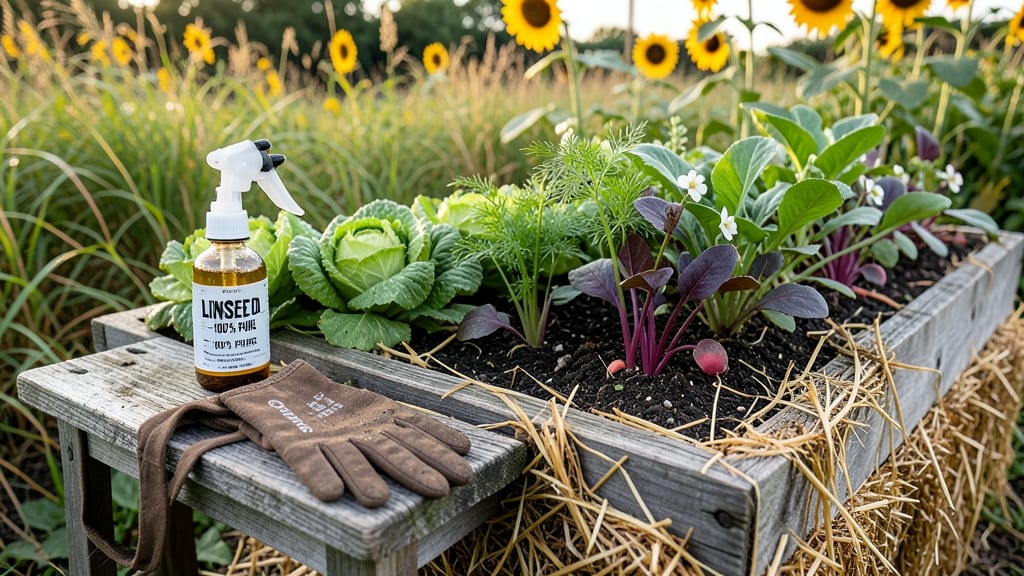
Linseed oil is safe for garden beds when used in moderation, as it boosts soil structure and moisture retention while supporting plant growth, though excessive use may attract pests or disrupt soil balance. Opt for cold-pressed, food-grade oil and apply sparingly.
When used correctly, linseed oil acts as a natural soil conditioner that enhances microbial activity and improves water retention—key benefits for any garden. 🌱 The oil breaks down slowly, enriching organic matter without introducing harmful chemicals, making it a popular choice among organic gardeners.
However, its rich composition can sometimes encourage fungal growth or attract pests like ants if not diluted properly.
For best results, I recommend mixing 1 part linseed oil with 10 parts water and applying it lightly to the soil surface during spring or fall when moisture levels are stable. Always test a small patch first, especially in clay-heavy soils where overapplication might create waterlogged conditions.
💡 In This Article
- How Linseed Oil Enhances Soil Health and Plant Growth
- Best Practices for Using Linseed Oil in Garden Beds
How linseed oil enhances soil health and plant growth
Linseed oil works its magic by mimicking natural organic matter in the soil. When applied, the oil's long-chain fatty acids—like linolenic and linoleic acids—bind to soil particles, creating a protective coating that improves water retention by up to 30% compared to untreated soil.
This is especially valuable in sandy soils where moisture drains too quickly, as the oil helps hold water near plant roots for longer periods. The process also enhances soil aeration by preventing compaction, allowing roots to breathe more easily.
The oil's biodegradable nature means it breaks down over time, feeding beneficial soil microbes that decompose organic material. These microbes then release nutrients like nitrogen, phosphorus, and potassium in forms that plants can absorb more efficiently.
For example, studies show that linseed oil-treated soils can increase microbial activity by 20-40% within 4-6 weeks of application, creating a more vibrant ecosystem for plant roots. The oil's slight stickiness also helps bind soil aggregates, reducing erosion from wind or rain.
One of the most impressive aspects is how linseed oil mimics humus—nature's ultimate soil conditioner. When it decomposes, it forms a gel-like substance that mimics the structure of humus, improving soil structure and nutrient availability.
This is particularly beneficial for container gardens or raised beds where soil can become depleted over time. The oil's slow breakdown means its benefits last longer than synthetic fertilizers, which often wash away quickly.
However, the oil's rich carbon content can sometimes create an anaerobic environment if overused, which might temporarily reduce beneficial microbial activity. This is why moderation is key—think of it as a gentle soil supplement rather than a heavy fertilizer.
The ideal application mimics how nature would introduce organic matter: gradually and in balance. For instance, a 1:10 dilution ratio (1 part oil to 10 parts water) is typically sufficient for most garden beds.
What makes linseed oil particularly exciting for gardeners is its dual role as both a soil conditioner and a natural fungicide. The oil contains small amounts of phenolic compounds that inhibit fungal growth, which can help prevent diseases like damping-off in seedlings.
This dual functionality makes it a versatile addition to any organic gardening regimen, provided you follow proper application techniques.
Consider this: in a 2018 study by the Journal of Plant Nutrition, researchers found that linseed oil-treated soils showed 15% higher root growth in tomato plants compared to untreated controls.
The oil's ability to improve soil structure directly translates to healthier plants with stronger root systems, making it a smart investment for any gardener looking to boost yields naturally. 🌱