
Tools
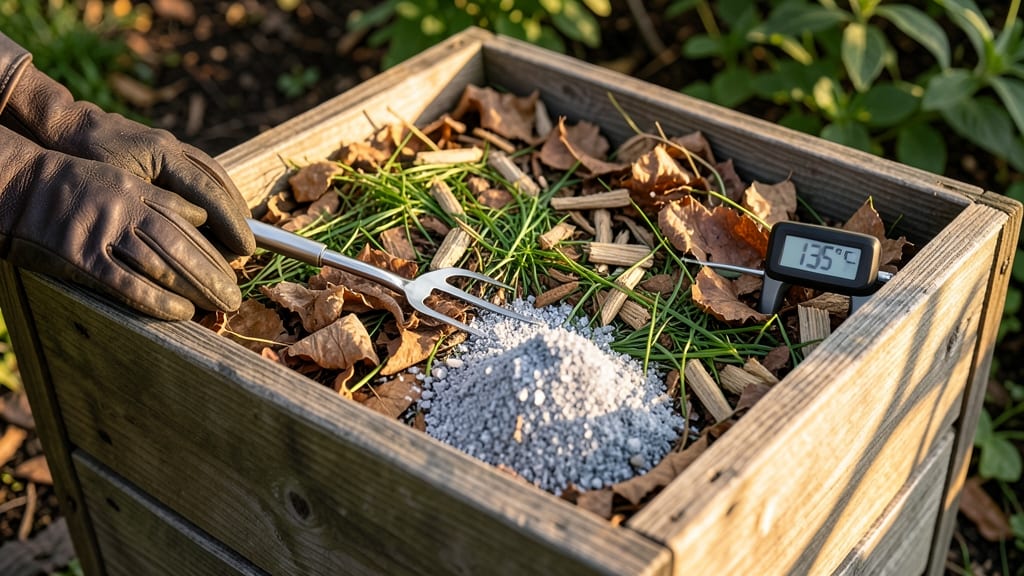
This firewood ash is good for a garden when applied carefully, as it boosts soil pH and adds essential minerals like potassium, calcium, and magnesium. But overdoing it may throw off your soil's nutrient balance and damage acid-loving plants such as blueberries or azaleas.
Firewood ash works as a natural soil amendment because it's alkaline, which helps neutralize acidic soil over time. 🌱 The minerals it contains—especially potassium—support strong root development and flowering, making it ideal for vegetables like tomatoes or peppers.
However, the risk comes from its high pH: applying too much can create a harsh environment where beneficial microbes struggle to thrive. Always test your soil first and limit applications to 1-2 pounds per 100 square feet—think of it as a supplement, not a primary fertilizer.
For gardens with acid-loving plants, I recommend mixing ash into compost piles instead of spreading it directly. This way, you still get the mineral benefits without altering your soil's pH dramatically.
The key is balance: a little ash can go a long way toward improving soil structure, but moderation is everything when it comes to plant health.
💡 In This Article
- How Firewood Ash Affects Soil Chemistry and Plant Health
- Safe Ways to Use Firewood Ash in Your Garden
How firewood ash affects soil chemistry and plant health
Firewood ash primarily contains potassium carbonate, calcium oxide, and magnesium oxide—all highly alkaline compounds that raise soil pH levels when applied. When burned, hardwoods like oak or maple leave behind ash with a pH of 10-12, while softwoods like pine produce slightly more acidic ash (pH 8-9).
This alkalinity neutralizes acidic soils, making it ideal for gardens where soil tests reveal pH below 6.0. The potassium content (typically 5-10% by weight) supports root growth and flower production, while calcium strengthens cell walls in plants.
The chemical reaction happens when ash dissolves in water, releasing hydroxide ions that react with acidic hydrogen ions in the soil. For example, applying 1 pound of ash per 100 square feet to a pH 5.5 soil can raise it by 0.5-1.0 pH points within weeks.
However, this benefit comes with trade-offs: excessive ash can create a pH 8.0+ environment, locking out essential nutrients like iron, manganese, and phosphorus that plants need but can't absorb at high pH levels. 🌱 The texture of ash—fine and powdery—also improves soil aeration temporarily, but heavy applications can form a crust that repels water.
Plants thrive differently based on soil pH. Alkaline-loving species such as broccoli, cabbage, and most flowering perennials benefit from ash's pH boost, while acid-loving plants like blueberries or hydrangeas suffer.
The calcium in ash helps prevent blossom-end rot in tomatoes by stabilizing cell membranes, but the same calcium can interfere with the uptake of micronutrients in sensitive plants.
Think of ash as a short-term pH adjuster rather than a long-term soil modifier—its effects diminish within 6-12 months as rain leaches soluble minerals away.
One often-overlooked factor is ash's salt content. The sodium and chloride ions present can build up in soil over time, leading to osmotic stress in plants. This is why organic gardeners recommend using ash only from untreated wood—chemically treated lumber can introduce harmful compounds.
The mineral composition varies by wood type: hardwood ash tends to have higher calcium, while softwood ash contains more potassium. Always sieve ash to remove large particles before applying, as coarse chunks can create uneven pH zones in your garden beds.
For visual learners, imagine ash as a fine white powder that resembles baking soda but with more complex chemistry. When sprinkled lightly over soil, it dissolves quickly, turning the top inch of dirt from a dark brown to a lighter grayish hue—a clear sign the pH has shifted.
The transformation is subtle but measurable with a soil test kit, which is why I always recommend testing before and after application. 💫 The goal is to create a balanced environment where plants can access all nutrients, not just the ones ash provides.
Advanced gardeners sometimes use ash as a compost activator by mixing it into piles at a ratio of 1 part ash to 20 parts compost. This approach leverages ash's alkalinity to speed up decomposition without altering the final compost's pH significantly.
The heat from composting breaks down the alkaline compounds more gently than direct soil application, reducing the risk of over-correcting pH levels.