
Vegetables
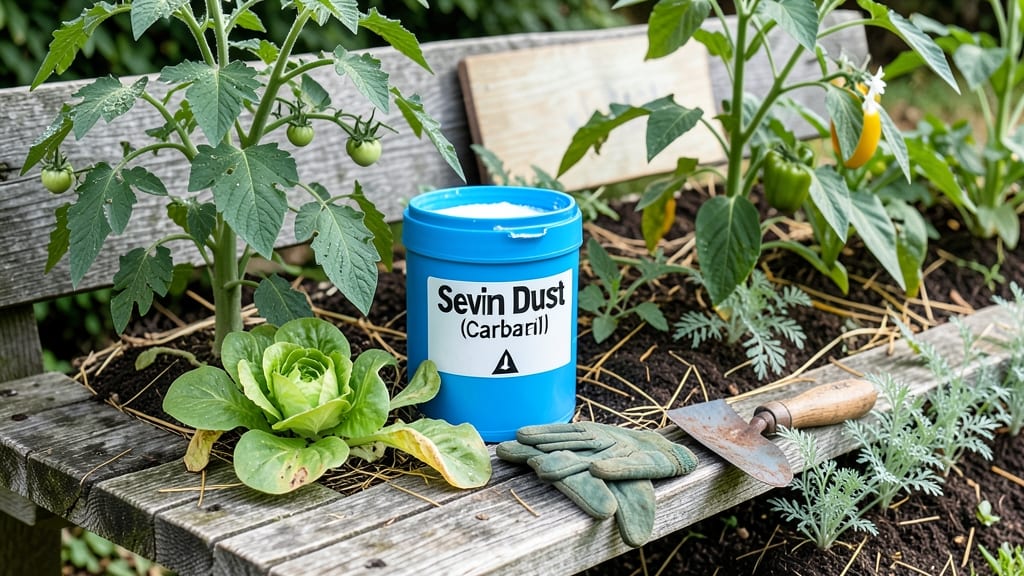
Is Sevin Dust safe for vegetable gardens? It can be used safely when following label directions precisely, but its active ingredient, carbaryl, poses health risks if overapplied or improperly handled. This chemical pesticide may affect beneficial insects and soil health, so organic gardening practices are often preferred for edible crops.
Sevin Dust contains carbaryl, a broad-spectrum pesticide that disrupts pests' nervous systems.
While effective against many garden insects, it's classified as a moderately hazardous chemical by the EPA, meaning improper use can harm pollinators and soil microbes. 🌱 For vegetable gardens, I recommend testing a small area first and wearing protective gear—gloves and a mask—to minimize exposure.
The key is balance: using it sparingly and only when absolutely necessary, especially before harvest.
Many gardeners find organic alternatives work just as well without the risks. Neem oil, for example, targets soft-bodied pests like aphids while being safe for plants and people. Diatomaceous earth creates a physical barrier against crawling insects, and companion planting with herbs like basil or marigolds naturally deters pests.
These methods protect your harvest while supporting a healthier garden ecosystem.
💡 In This Article
- Understanding Sevin Dust’s Active Ingredient and Toxicity Risks
- Organic and Safer Alternatives to Sevin Dust for Vegetable Gardens
Understanding Sevin Dust’s active ingredient and toxicity risks
Sevin Dust contains carbaryl, a carbamate pesticide that works by disrupting pests' nervous systems, specifically targeting acetylcholinesterase enzymes. This chemical is classified as a moderately hazardous substance by the EPA, meaning it requires careful handling.
When applied, carbaryl breaks down into naphthol, a byproduct that can linger in soil for up to 30 days under normal conditions. The concern isn't just immediate toxicity—it's the cumulative effect on your garden's ecosystem over time.
The risks extend beyond pests. Carbaryl has been linked to neurological effects in humans, particularly with prolonged exposure, and can irritate skin, eyes, and respiratory systems. 🌿 For vegetable gardens, the danger isn't just ingestion—residue on leaves can transfer to your harvest.
Studies show carbaryl residues can persist on plant surfaces for 7-14 days after application, depending on weather conditions. The EPA recommends a 1-day harvest interval for most vegetables, but organic standards often advise avoiding chemical pesticides entirely on edible crops.
What makes this particularly tricky is carbaryl's broad-spectrum nature—it doesn't just kill target pests. It decimates beneficial insects like bees, ladybugs, and lacewings that pollinate your garden and control other pests naturally.
A single application can reduce bee populations by up to 40% in treated areas, disrupting your garden's delicate balance. Soil microbes that break down organic matter also suffer, reducing long-term soil fertility. This is why organic gardeners often turn to targeted solutions that preserve these crucial components.
EPA regulations set maximum residue limits for carbaryl on vegetables, but these standards focus on acute toxicity rather than chronic exposure or ecological impact. Organic gardening standards, by contrast, prohibit synthetic pesticides entirely, emphasizing prevention through healthy soil, plant diversity, and natural pest deterrents.
The difference comes down to philosophy: chemical control vs. ecosystem health. For home gardeners, this means weighing convenience against long-term garden vitality.
Consider this real-world scenario: A home gardener using Sevin Dust on tomato plants may eliminate hornworms quickly, but they might also kill the parasitic wasps that would have controlled the hornworm population naturally.
The short-term pest control comes at the cost of long-term ecological resilience. 🌱 The key is understanding that every chemical application creates a ripple effect—one that can take seasons to recover from.
For those who choose to use Sevin Dust, the critical factors are proper application, protective gear (gloves, mask, long sleeves), and strict adherence to label instructions. Mixing it with water creates a finer spray that reduces drift and minimizes exposure to non-target areas.
But even then, the question remains: Is this the best tool for protecting both your harvest and your garden's future?