
Tools
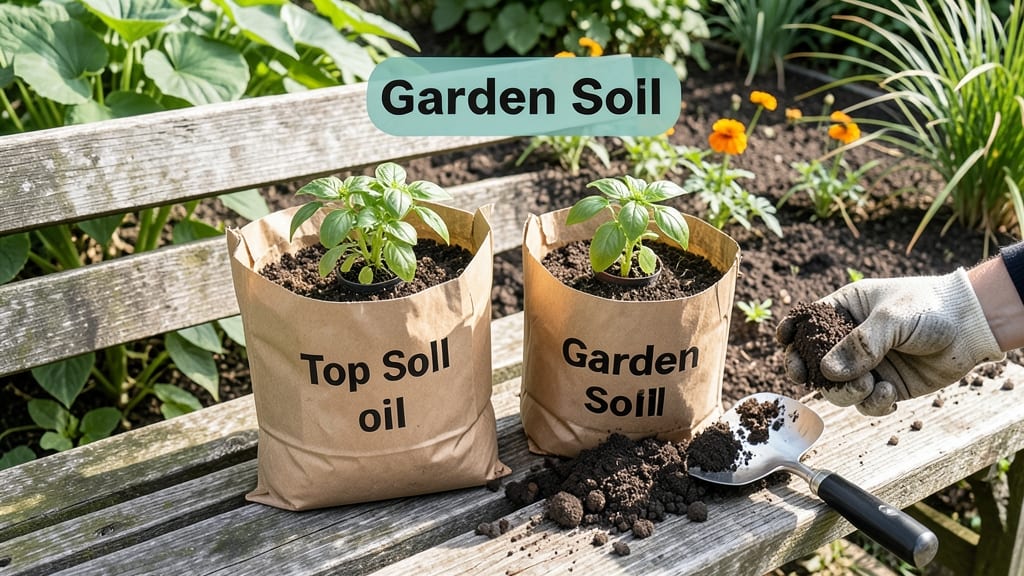
Top soil and garden soil are not the same: top soil is the nutrient-rich uppermost layer of earth, ideal for planting roots, while garden soil blends top soil with compost and organic matter for better fertility and drainage. Each serves distinct gardening needs.
Top soil is the natural, undisturbed layer of earth found at the surface, packed with essential minerals and organic material that support plant roots. 🌱 Meanwhile, garden soil is a purposefully mixed blend—often combining top soil with compost, sand, or other amendments to improve texture and nutrient levels.
I’ve seen garden soil transform struggling flower beds into thriving patches, while top soil is my go-to for leveling uneven ground before laying sod. The key difference lies in their purpose: one is nature’s foundation, the other is a gardener’s custom creation.
For example, if you’re planting a new lawn, you’ll want to use top soil for its natural structure and root support. But when planting vegetables or flowers, garden soil’s enhanced fertility and moisture retention make it the better choice.
Understanding these distinctions can save you time, money, and frustration in your yard projects.
💡 In This Article
- Top Soil vs Garden Soil: Composition and Nutrient Differences
- Best Uses for Top Soil and Garden Soil in Landscaping
Top soil vs garden soil: composition and nutrient differences
At its core, top soil is nature's original growing medium—the uppermost layer of earth, typically 2-12 inches deep, formed over centuries through weathering, decomposition, and microbial activity. This layer contains 5-10% organic matter (like decomposed leaves and plant material) along with essential minerals like nitrogen, phosphorus, and potassium.
The particle size varies but generally includes a mix of sand, silt, and clay that creates ideal pore space for roots and microbial life. 🌱
Garden soil, however, is a human-engineered blend designed to optimize plant growth. It's usually a 50-70% mix of top soil with 20-30% compost and 10-20% amendments like perlite or vermiculite.
This combination boosts nutrient density to 10-20% organic matter—double what you'd find in natural top soil—and improves water retention while preventing compaction. The result? A looser, more fertile medium that supports faster root development and higher yields, especially for vegetables and flowers.
Here's where microbial activity becomes crucial: natural top soil contains 10,000-100,000 beneficial microbes per gram, but garden soil can host 100,000-1 million microbes per gram due to added compost. These microbes break down organic matter into plant-accessible nutrients and suppress harmful pathogens.
For instance, mycorrhizal fungi in garden soil form symbiotic relationships with plant roots, increasing nutrient absorption by up to 80%—something you won't get with pure top soil alone.
The water retention difference is equally striking. Natural top soil typically holds 20-30% of its weight in water, while enhanced garden soil can retain 40-50%. This means garden soil stays moist longer, reducing irrigation needs by 30-50% while preventing nutrient leaching.
The trade-off? Garden soil's higher organic content makes it slightly more prone to compaction if not properly amended with sand or perlite.
Consider this real-world example: when planting tomatoes, garden soil's higher nutrient density and moisture retention can increase yields by 25-40% compared to top soil alone.
The enhanced microbial activity also helps prevent common issues like blossom end rot, which is often caused by calcium deficiencies exacerbated by poor soil structure. 🌿
For container gardening, the differences become even more pronounced. Garden soil's improved aeration and drainage prevent root rot in potted plants, while its higher nutrient reserve means you'll need to fertilize 30-50% less frequently than with top soil.
The key is understanding that garden soil is essentially top soil with a performance boost—like upgrading from a basic phone to a smartphone with all the bells and whistles.