
Advice
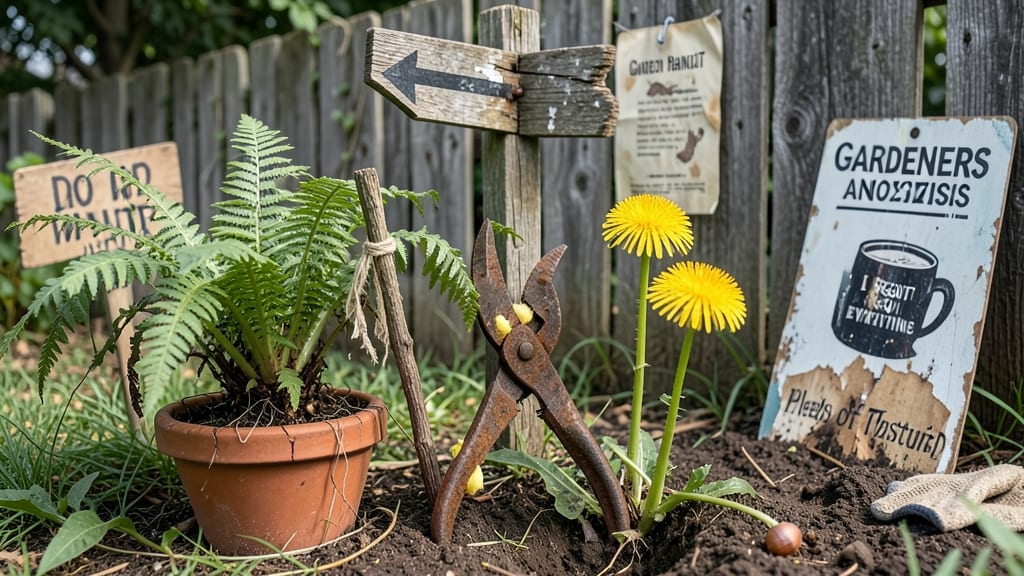
Jokes about gardeners thrive on the universal struggles of plant lovers—whether it's puns about dirt ("I used to be a baker, but I couldn't make enough dough"), or playful digs at green thumbs ("Why did the tomato blush? Because it saw the salad dressing!"). The key is keeping them lighthearted to avoid alienating fellow enthusiasts.
Gardening humor works because it taps into shared experiences—like dealing with finicky plants or mysterious garden pests. 🌱 The best jokes come from relatable scenarios, such as "Why did the gardener bring a ladder to the bar? Because he heard the drinks were on the house!"
This kind of humor builds camaraderie among plant lovers, whether you're a beginner struggling with overwatering or a seasoned pro with a greenhouse full of rare specimens. The trick is to avoid anything that mocks someone's skills or plants, as gardening is deeply personal for many.
Self-deprecating humor often lands best, like joking about your own "black thumb" moments. For example, "I tried growing basil, but it turned out to be my herb's worst enemy!" This approach keeps things fun while acknowledging that everyone faces challenges.
Tailoring jokes to the audience—whether they're container gardeners or vegetable growers—helps too, as it shows you understand their specific passions and frustrations.
💡 In This Article
- Why Gardener Jokes Resonate with Plant Lovers
- How to Tell a Gardener Joke Without Offending Anyone
Why gardener jokes resonate with plant lovers
Gardening humor thrives because it mirrors the universal frustrations and triumphs of plant lovers.
Whether it's the shared dread of aphid infestations or the triumph of watching seedlings sprout, these jokes create instant camaraderie. 🌱 The inside jokes—like calling a shovel "a gardener's best friend" or joking about "killer tomatoes" (plants that grow faster than weeds)—stem from decades of gardening lore passed down through generations.
Studies show that humor about shared experiences strengthens community bonds, and gardening provides endless material: from "dirt-eating" worms to the eternal debate over organic vs. conventional methods.
The appeal lies in relatable scenarios with specific details that only gardeners understand.
For example, the joke about "why did the tomato blush?" plays on the visual and culinary connection between plants and food. 🍅 This type of humor works because it combines botanical knowledge with everyday life—like puns about "root" beer or "leaf" it to the pros.
Even the tools become characters in these jokes: pruners get called "the gardener's scissors," and wheelbarrows become "the workhorse of the yard." These references create an insider language that makes non-gardeners feel excluded while making gardeners feel understood.
The cultural resonance also comes from gardening's dual nature as both a science and an art.
Jokes about "following the instructions" on seed packets (while knowing your local climate dictates otherwise) or the eternal struggle with "perfectly timed rain" tap into the tension between control and nature's unpredictability. 🌧️ This duality creates rich material—whether it's the relief of finally getting a crop to thrive or the exasperation of watching a prized plant wilt despite your best efforts.
The humor becomes a coping mechanism, turning gardening's inevitable challenges into shared stories that make the community stronger.
What makes gardening humor particularly effective is its ability to bridge skill levels.
A beginner might laugh at jokes about "accidentally planting weeds," while a master gardener chuckles at the eternal battle with Japanese beetles. 🐞 The jokes adapt to the audience's experience, creating a level playing field where everyone—from container gardeners to greenhouse specialists—can find something relatable.
This inclusivity is why gardening humor rarely feels exclusionary, unlike jokes about other hobbies that might alienate newcomers.
The sensory details in these jokes also play a crucial role. The smell of fresh-turned soil, the texture of compost, or the sound of rain on leaves become part of the humor's fabric.
For example, jokes about "the smell of success" (fertilizer) or "the sound of a shovel hitting rock" (when you thought you were planting in loose soil) create vivid mental images that only gardeners truly understand.
These sensory connections make the humor more immersive and memorable, reinforcing the bond between the joke-teller and the audience.
Finally, gardening humor often includes subtle educational elements. A well-timed joke about "why your zucchini plants are producing flowers instead of fruit" can actually teach something while making people laugh. 🌿 This dual purpose—entertainment and learning—is why gardening jokes feel both fun and meaningful.
They acknowledge the challenges while celebrating the joy of working with plants, making them uniquely appealing to a community that values both growth and resilience.