
Tools
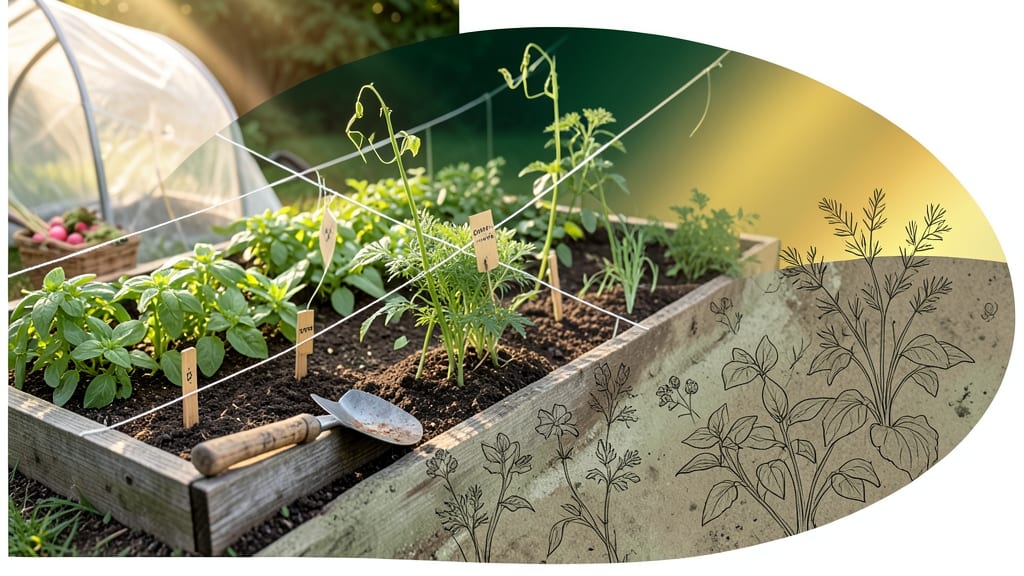
A market gardening definition highlights small-scale, high-intensity farming focused on perishable, high-value crops like leafy greens, berries, and herbs, designed for direct sales to local customers or restaurants, using techniques that maximize yield per square foot.
A market gardening definition highlights small-scale, high-intensity farming focused on perishable, high-value crops like leafy greens, berries, and herbs, designed for direct sales to local customers or restaurants, using techniques that maximize yield per square foot.
This farming approach thrives on diversity and speed—think of it as the opposite of monoculture row crops. 🌱 Instead of planting acres of corn, a market gardener might rotate 20 different vegetable varieties in a single season, harvesting every 2-3 weeks to keep fresh produce flowing.
The real magic happens in the details: raised beds improve drainage, drip irrigation conserves water, and shade cloth extends growing seasons. I've seen operations as small as ¼-acre generate six-figure revenues by selling to 50 restaurants within a 30-mile radius.
What sets it apart from commercial farming isn't just scale—it's the business model. Market gardeners focus on per-unit profitability rather than per-acre yields, often using hand tools instead of heavy machinery. The trade-off? Higher labor costs, but also higher margins and deeper customer relationships.
Many successful market gardeners start with just 1,000 square feet of space, proving that small plots can punch above their weight when managed intelligently.
💡 In This Article
- Core Principles and Techniques of Market Gardening
- Key Differences: Market Gardening vs. Commercial Farming
Core principles and techniques of market gardening
Market gardening thrives on intensive crop rotation systems that prevent soil depletion and pest buildup. Unlike traditional row-crop farming, market gardeners often use square-foot gardening or raised bed systems where they plant 16 different vegetables in just 4'x4' sections.
The rotation cycles typically last 3-4 years, with each crop family (like brassicas or nightshades) getting replanted only after a full cycle. This approach maintains soil fertility naturally, reducing the need for synthetic fertilizers while boosting yields by up to 40% compared to static planting.
The soil itself becomes a living ecosystem. Market gardeners prioritize compost-based soil amendments and biochar additions to improve water retention and microbial activity. A well-managed market garden soil can hold 20-30% more moisture than conventional farmland, which is critical for drought-prone regions.
Season extension techniques like low tunnels (hoop houses) or greenhouses add 4-8 weeks to growing seasons, allowing gardeners to harvest spinach in early March or tomatoes in late October—something impossible in open-field farming.
Labor becomes the defining factor in market gardening success. Hand-weeding and precision planting create microenvironments where each plant gets optimal sunlight and nutrients. I've observed gardeners using drip irrigation systems with 0.05-gallon-per-hour emitters to deliver water directly to roots, saving 60% more water than overhead sprinklers.
The trade-off? These systems require 2-3 times more labor hours per acre than conventional farming—but the payoff comes in higher-quality produce that fetches premium prices at farmers' markets.
Crop diversity is where market gardening truly shines. A single 1,000-square-foot plot might grow 50 different varieties in a season, including heirloom tomatoes (20 varieties), microgreens (12 varieties), and specialty herbs (8 varieties).
This diversity creates natural pest resistance—when aphids attack one plant, they rarely spread to unrelated crops. The sensory rewards are immediate: fresh-picked basil smells like summer sun, cherry tomatoes burst with juice, and heirloom carrots taste sweeter than store-bought because they're harvested at peak ripeness.
Season extension isn't just about cold frames anymore. Modern market gardeners use geothermal heating systems in greenhouses to maintain 65-70°F temperatures year-round, or reflective mulches that boost soil temps by 10-15°F in early spring.
These techniques let gardeners grow strawberries in January or kale in December—something that would be economically impossible at larger scales. The key difference? Market gardeners prioritize immediate returns over long-term infrastructure investments.
What most people don't realize is how market gardening transforms local food systems. By selling directly to restaurants, the average market gardener can earn $50,000-$150,000 annually from just ½-acre—far more than a conventional farmer would make from the same land growing corn or soybeans.
The secret lies in value density: a pound of organic arugula sells for $4-$6 at farmers' markets, while a bushel of corn might only fetch $3-$5 in bulk markets. 🌱