
Tools
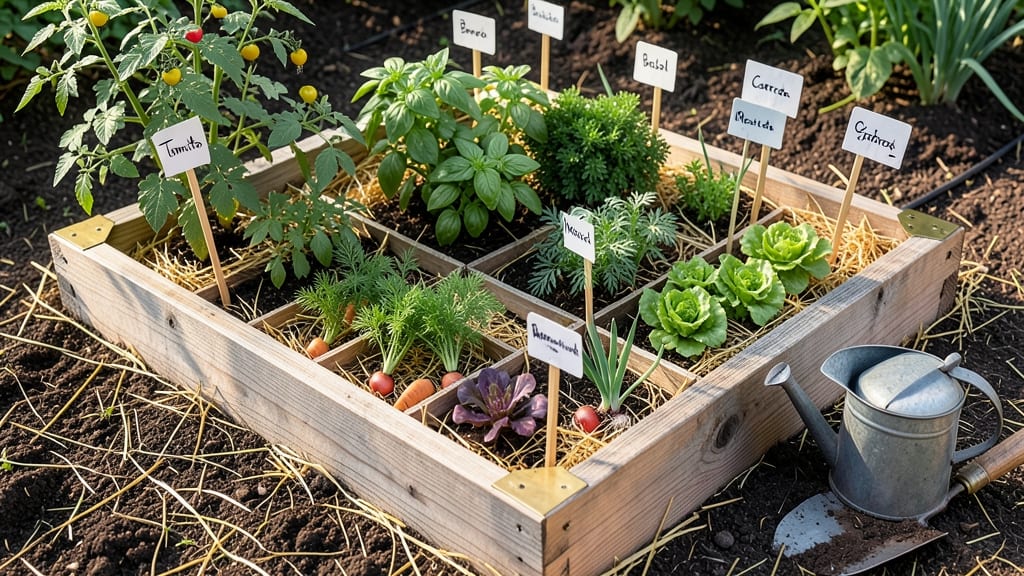
Square foot gardening plans transform limited spaces into high-yield gardens by organizing planting areas into 1-foot squares, where each square accommodates 16 carrots, 9 onions, or 4 tomato plants. This method relies on grid-based layouts, strategic crop placement, and seasonal rotations to optimize growth and space utilization.
This gardening technique is perfect for urban gardens, small yards, or even container setups. 🌱 The beauty of square foot gardening lies in its flexibility—you can adjust the grid size to fit your available space while still maximizing productivity.
For example, a 4x4-foot bed gives you 16 squares, while a larger 4x8-foot bed expands to 32 squares, allowing you to grow a wider variety of crops. The key is balancing plant spacing with companion planting to deter pests and enhance growth.
Beyond the layout, seasonal planning is crucial. Some plants, like lettuce or radishes, thrive in cooler months, while tomatoes and peppers prefer warmer conditions. Rotating crops each season prevents soil depletion and reduces disease risks.
I’ve found that keeping a simple planting calendar helps track what goes where and when, making the most of every square foot.
💡 In This Article
- How to Design a Square Foot Garden Layout for Maximum Efficiency
- Best Square Foot Garden Plans for Small Urban Yards and Containers
How to design a square foot garden layout for maximum efficiency
The foundation of square foot gardening starts with a simple grid system where each square measures exactly 1 foot by 1 foot. This approach eliminates wasted space by eliminating traditional row spacing—typically 18-36 inches—which can consume up to 50% of your garden area.
Instead, plants are placed at their ideal spacing within the square, like arranging a puzzle where every inch counts.
For instance, leafy greens like lettuce or spinach can fit 16 plants per square, while root vegetables such as carrots or radishes need 16 plants but spaced closer together (about 1 inch apart) to prevent overcrowding.
When designing your layout, begin by sketching your garden bed dimensions. A common starter size is a 4x4-foot bed, which gives you 16 squares, or a 4x8-foot bed for 32 squares.
Use a string and stakes to mark the grid lines, ensuring each square is perfectly level—uneven surfaces can lead to poor drainage or uneven growth.
For vining plants like cucumbers or beans, reserve one corner of a square for a trellis or vertical support, allowing them to grow upward and freeing up ground space for other crops. This vertical integration can double your yield in the same footprint!
The magic of square foot gardening lies in its flexibility to mix and match crops based on their spacing needs. For example, you might dedicate one square to 9 onions (planted in a 3x3 grid) and the adjacent square to 4 tomato plants (placed at the corners).
This arrangement ensures each plant has enough room to thrive while maximizing density. Companion planting is another game-changer—pairing basil with tomatoes, for instance, can deter pests like whiteflies and improve flavor. 🌿 The key is to group plants with similar watering and sunlight needs together to simplify maintenance.
Advanced growers often use a "planting map" to track which crops go where, especially when rotating plants seasonally. For example, heavy feeders like tomatoes should follow light feeders like lettuce to replenish soil nutrients.
A simple rule of thumb is to avoid planting the same plant family (like all nightshades—tomatoes, peppers, eggplants—in the same square more than once every 3 years to prevent disease buildup. This rotation keeps your soil healthy and your garden productive year after year.
One common mistake is overestimating how many plants a square can hold. Always check the spacing guidelines for each variety—some seeds or seedlings need more room than others.
For example, bush beans can fit 9 per square, but pole beans (which climb) only need 4 per square if given vertical support. Testing your layout with a small bed first can help you refine your approach before committing to a larger garden.
The goal is to create a harmonious balance where every square inch contributes to a bountiful harvest.
Finally, consider adding pathways between beds for easy access. A 12-inch-wide path made of mulch or gravel allows you to move around without compacting the soil.
This small detail saves time and effort during planting, harvesting, and maintenance—making your square foot garden not just efficient, but also a joy to tend. With a little planning, you’ll transform even the smallest space into a thriving, high-yield oasis. 🌱