
Tools
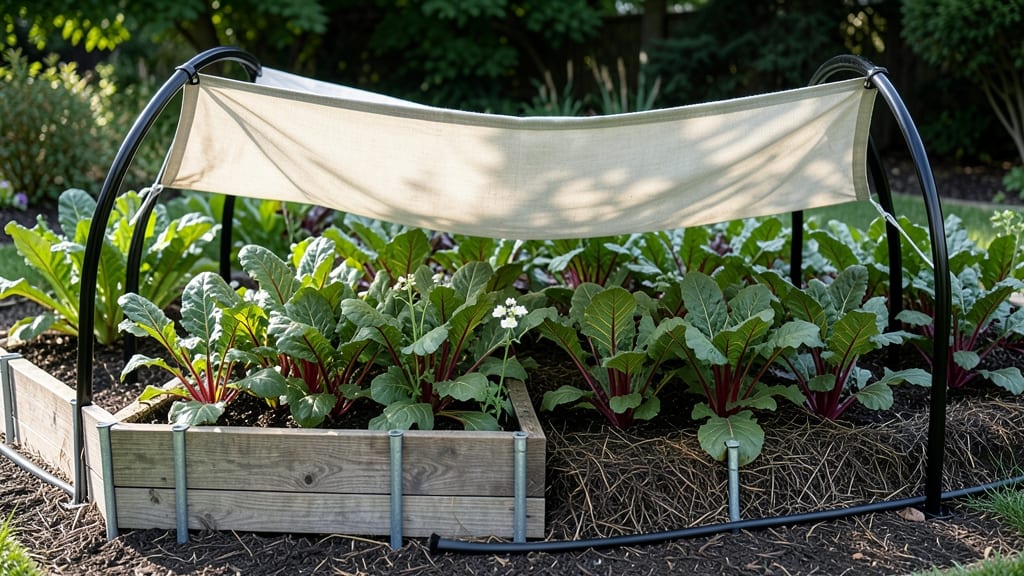
Shade cloth for garden beds creates a protective barrier against intense sunlight, helping delicate plants thrive while maintaining essential light exposure. The right percentage (30-90%) balances heat reduction with growth needs, adapting to both plant sensitivity and local climate.
This lightweight fabric works by filtering sunlight—think of it as sunglasses for your plants. 🌿 A 30% shade cloth blocks about 30% of light, ideal for heat-sensitive veggies like lettuce, while 90% cloth mimics forest conditions for tropical plants.
The key is matching the percentage to your plants' native environment; too much shade can weaken growth, while too little defeats the purpose. I've found that knitted cloth (softer, breathable) suits leafy greens, while woven cloth (sturdier) works better for fruiting plants needing airflow.
Beyond light control, shade cloth also reduces soil temperature by up to 15°F, preventing wilting and extending growing seasons in hot climates. For best results, install it 3-4 feet above the ground to allow airflow and avoid trapping moisture.
Pro tip: Secure edges tightly to prevent wind damage, and remove it during cooler months unless protecting winter-sensitive plants.
💡 In This Article
- How Shade Cloth Percentages Affect Plant Growth
- Selecting the Right Shade Cloth for Specific Plants
How shade cloth percentages affect plant growth
Shade cloth percentages determine how much sunlight reaches your plants, and this directly impacts their photosynthesis and temperature regulation. A 30% cloth blocks only 30% of light while allowing 70% through, making it perfect for heat-sensitive crops like basil or spinach that need some protection but still require full-spectrum light.
At the other end, 90% cloth filters out 90% of light, creating near-forest conditions ideal for tropical plants like ferns or caladiums that would scorch in direct sun.
The science behind this lies in how light intensity triggers plant responses. Too much sunlight causes photoinhibition—where chlorophyll molecules become overwhelmed and stop producing energy efficiently.
Shade cloth reduces this stress by diffusing light, similar to how sunglasses protect your eyes from glare. 🌿 For example, a 50% cloth can lower leaf temperatures by 10-15°F compared to full sun, which is crucial for preventing wilting in plants like lettuce or radishes.
The material also matters: knitted cloth (like Agribon) provides better airflow than woven cloth, reducing humidity buildup that can lead to fungal issues.
UV protection varies by material too. Most shade cloths block 90-95% of harmful UV rays, but thicker woven fabrics offer slightly better protection for delicate plants.
This is why I recommend 40-50% cloth for Mediterranean herbs (like oregano or thyme) that need moderate shade but still benefit from partial UV exposure. The key is balancing light reduction with the plant's native growing conditions—mimicking their natural environment as closely as possible.
Temperature regulation is another critical factor. Shade cloth doesn't just block light; it creates a microclimate. Under 30% shade, soil temperatures can drop by 8-10°F compared to full sun, while 90% shade can reduce temperatures by up to 20°F.
This difference explains why some gardeners use shade cloth year-round in hot climates—it's not just about summer protection but creating a stable growing environment. For instance, in Arizona's 110°F summers, 50% shade cloth can keep leaf surfaces at a manageable 85-90°F, preventing protein breakdown in sensitive plants.
Seasonal adjustments are often overlooked but crucial. A 30% cloth might be perfect for summer, but the same percentage could be too restrictive in spring or fall when sunlight is less intense.
I've seen gardeners double up on 30% cloth (layering two sheets) to achieve 50% shade when needed, though this reduces airflow. For best results, choose a single layer that matches your peak sun conditions and adjust by removing or adding cloth as seasons change.
One common mistake is assuming higher percentages always mean better protection. While 90% cloth works for tropical plants, it can stunt growth in vegetables like tomatoes or peppers that need 60-70% light to fruit properly.
The solution? Use 30-40% cloth for fruiting plants and reserve higher percentages for leafy greens or shade-loving ornamentals. Always test with a small section first to observe how your specific plants respond.