
Vegetables
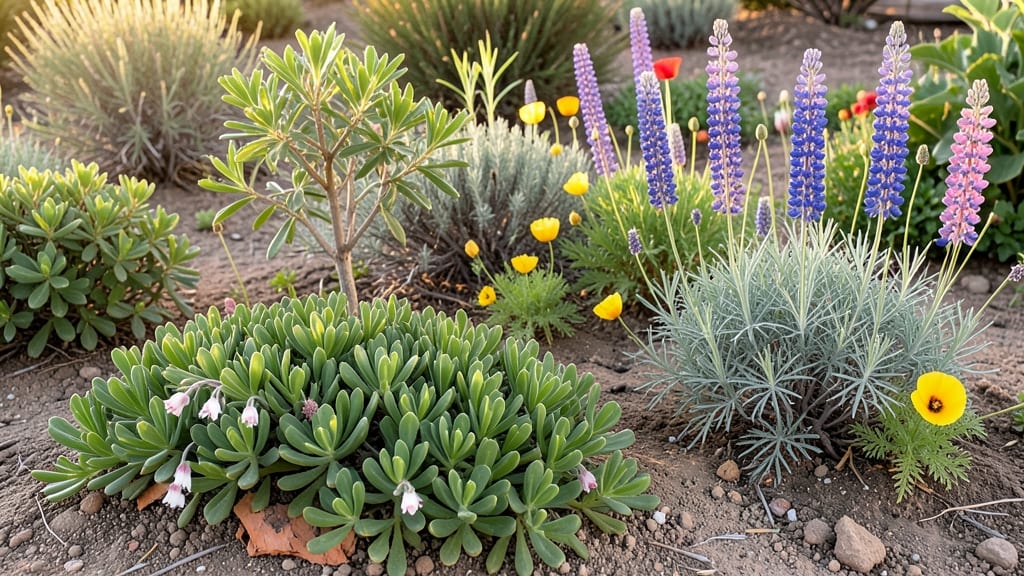
The Mendocino CA Botanical Gardens showcase stunning coastal plant collections featuring rare native species, drought-resistant flora, and vibrant seasonal displays like camellias and rhododendrons. This 10-acre preserve offers free admission while supporting local conservation through donations.
The Mendocino CA Botanical Gardens serve as a living classroom for California's unique coastal ecosystems. 🌿 Unlike many botanical gardens, this one focuses on preserving native species like coast live oak and California fuchsia, which thrive in the region's foggy, windy climate.
The gardens' themed sections—such as the redwood forest understory—highlight how these plants have adapted to survive with minimal water, making them perfect for drought-prone landscapes. What sets this garden apart is its commitment to education, offering guided tours that explain the ecological relationships between plants and their habitats.
Beyond the main gardens, hidden trails like the Fern Canyon reveal lush, shaded microclimates teeming with ferns and mosses. 🌿 Visitors often discover rare blooms like the California poppy in spring or the striking manzanita flowers in late winter.
The garden's free entry policy makes it accessible, but the real value comes from the expertise shared during volunteer-led walks—perfect for both casual explorers and plant enthusiasts.
💡 In This Article
- Exploring Mendocino Botanical Gardens’ Native Plant Ecosystems
- Best Times to Visit Mendocino Botanical Gardens by Season
Exploring mendocino botanical gardens’ native plant ecosystems
The Mendocino Botanical Gardens serve as a critical conservation hub for California’s endangered native flora, where plants like Arctostaphylos (manzanita) and Ceanothus (wild lilac) thrive under specialized care.
These species have evolved unique adaptations—manzanita, for example, produces waxy leaves to reduce water loss, while wild lilac develops deep root systems to access groundwater. The gardens replicate these plants' natural habitats, including coastal scrub and redwood understory ecosystems, where moisture levels drop below 30% humidity during summer droughts. 🌿
One standout feature is the drought-resistant flora section, where plants like California buckwheat (Eriogonum) and coyote brush (Baccharis pilularis) demonstrate remarkable resilience. These species survive on as little as 10 inches of annual rainfall, a fraction of what most gardens receive.
The garden’s redwood forest understory mimics the natural shade and high humidity found beneath towering redwoods, creating a microclimate where ferns and mosses flourish. Visitors can observe how these plants compete for sunlight while adapting to the forest floor’s acidic, nutrient-poor soil.
The gardens’ conservation efforts extend to rare species like the Santa Lucia fir (Abies bracteata), one of the rarest conifers in California, with fewer than 1,000 mature trees remaining in the wild.
Through controlled propagation, the gardens help preserve genetic diversity, ensuring these species survive climate shifts. 🌲 Volunteer-led tours often highlight how fire-adapted plants, such as chamise (Adenostoma fasciculatum), regenerate after wildfires by resprouting from protected root crowns—a trait critical for post-wildfire recovery in the region.
For plant enthusiasts, the native pollinator garden offers a hands-on look at how native bees and butterflies interact with wildflowers like California poppy (Eschscholzia californica) and lupine (Lupinus). These plants produce nectar-rich blooms that support declining pollinator populations, demonstrating the garden’s role in ecosystem restoration.
The Arctostaphylos collection alone features over 20 species, showcasing the genus’ incredible diversity in leaf shape, flower color, and growth habits.
What makes this garden unique is its focus on coastal adaptation science. Plants here must endure salty sea spray, strong winds exceeding 30 mph, and fog drip—a phenomenon where coastal fog condenses on leaves, providing supplemental moisture.
The garden’s coastal scrub section demonstrates how species like coyote brush and toyon (Heteromeles arbutifolia*) have evolved to thrive in these extreme conditions, offering lessons for sustainable landscaping in similar climates. 🌊
Behind the scenes, the gardens employ seed banking techniques to preserve genetic material from endangered species. Seeds are stored at -18°C (-0.4°F) to maintain viability for decades, ensuring future restoration projects can access diverse genetic lines.
This approach mirrors global conservation strategies, like those used for kōhua trees in Hawaii, but tailored to California’s unique flora. 🌱