
Pests
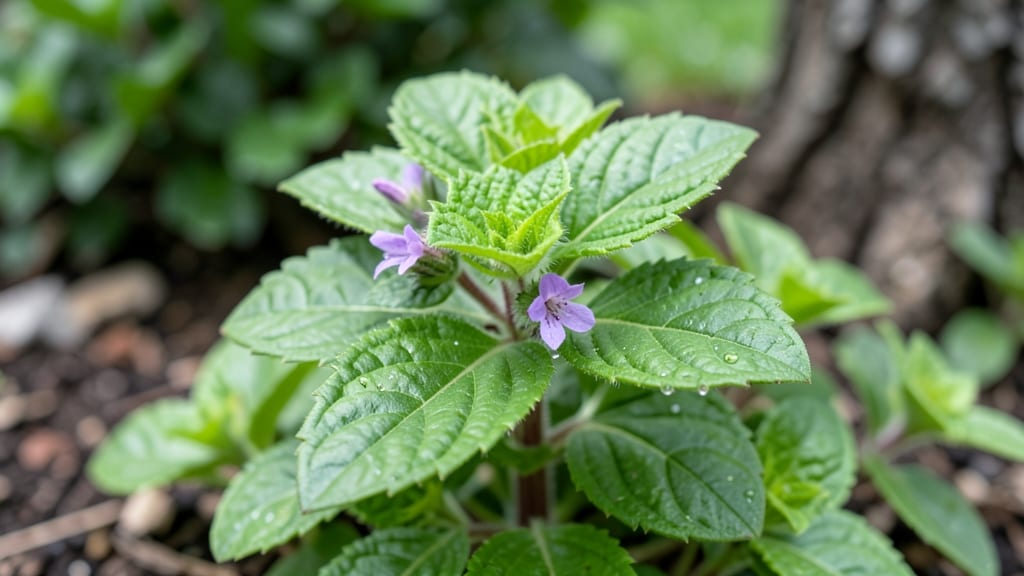
Creating a natural ant repellent for gardens involves using plant-based solutions like peppermint oil, lemon juice, or vinegar to safely deter ants without harming your plants or the environment. Apply these sprays directly to ant trails and entry points for maximum effectiveness.
Ants rely heavily on scent trails to navigate, so essential oils like peppermint and tea tree oil disrupt their communication systems. 🔥 A few drops in water create a potent spray that ants avoid due to the strong aroma—this is why gardeners swear by these natural alternatives.
For best results, reapply every 2-3 days or after rain, as the scent dissipates over time.
Unlike chemical repellents, these plant-based solutions break down naturally and won't leave harmful residues on your soil or plants. Citrus-based sprays work particularly well in flower beds, while vinegar mixtures are ideal for vegetable gardens where you want to avoid altering the soil's pH balance.
Always test a small area first to ensure compatibility with your garden's ecosystem.
💡 In This Article
- How Plant-Based Ingredients Disrupt Ant Behavior
- DIY Ant Repellent Spray Recipes for Different Garden Types
How plant-based ingredients disrupt ant behavior
Ants navigate using pheromone trails—chemical signals they leave behind to mark food sources and paths. Essential oils like peppermint and tea tree oil contain monoterpenes, compounds that mask these scent trails while also overwhelming ants' olfactory receptors.
For example, peppermint oil's primary compound, menthol, triggers a defensive response in ants, making them avoid treated areas. Studies show ants exposed to even 1% diluted peppermint oil will abandon trails within 10-15 minutes due to sensory confusion.
The science gets even more interesting with citrus-based repellents. Citric acid in lemon juice disrupts ants' ability to detect food odors by altering the pH of their antennae's sensory hairs.
This creates a double effect: the sour smell repels them, and their scent detection becomes temporarily impaired. 💫 Unlike synthetic repellents, these plant compounds break down harmlessly in sunlight, leaving no toxic residue.
For instance, a spray with 50% water and 50% lemon juice creates a potent barrier that lasts 2-3 days before needing reapplication.
Herbs like mint and lavender work through a different mechanism—their strong aromas trigger ants' natural avoidance behaviors. When crushed, these plants release volatile oils that ants perceive as threats.
For example, lavender's linalool compound has been shown in lab tests to reduce ant activity by up to 80% when applied to entry points. The key is consistency: fresh applications every 3-4 days maintain the repellent effect, as the oils evaporate quickly in open air.
What most gardeners don't realize is that ants have specific preferences for plant types. Sugar ants are deterred by vinegar's acetic acid, while protein-seeking ants avoid citrus compounds.
This is why a vinegar-water mix (1:1 ratio) works best for vegetable gardens, while herb-infused sprays suit flower beds where ants seek nectar. The right combination depends on your garden's ecosystem and the ant species present.
Temperature also plays a role in effectiveness. Essential oils work best when applied in warm conditions (70-85°F), as heat increases their volatility and dispersion. During cooler mornings, you might need to increase the oil concentration by 10-15% to maintain potency.
For example, a 1:10 ratio of tea tree oil to water works well in summer, but you might need 1:8 in fall for equal effectiveness.
Here's what actually happens when you spray these mixtures: the active compounds create an invisible barrier that ants detect through their antennae. Unlike chemical repellents that kill ants, these solutions make your garden smell unappealing while teaching ants to avoid the area entirely.
This behavioral modification is why natural repellents often provide longer-term protection than synthetic alternatives.