
Tools
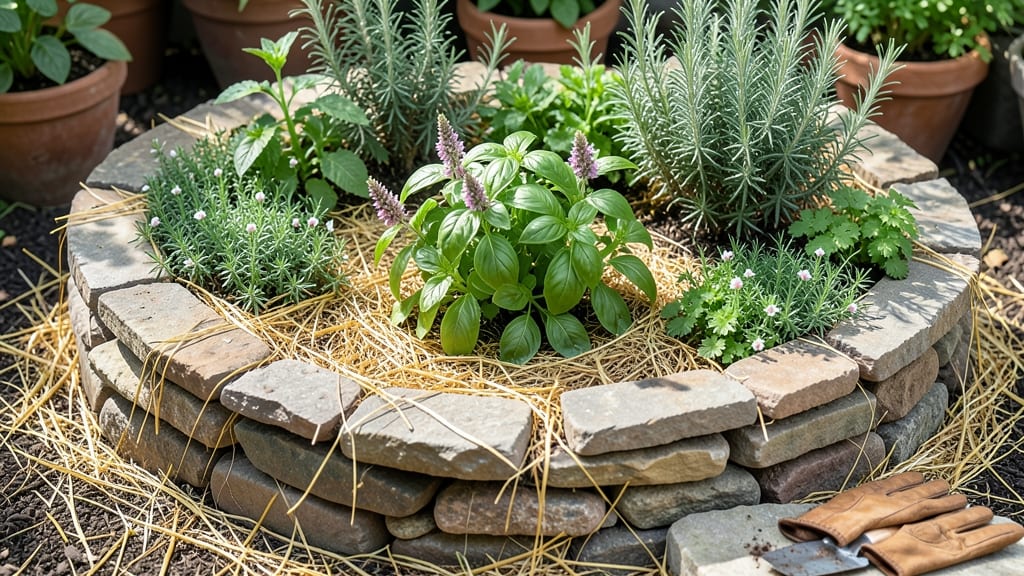
Creating an Ollé garden bed transforms your planting space with a layered, no-till system that boosts moisture retention, chokes out weeds, and protects roots from extreme temperatures. This method uses simple materials like cardboard, compost, and straw to build a self-sustaining growing environment that requires minimal ongoing effort.
This innovative approach mimics natural forest floor ecosystems where fallen leaves and organic matter decompose slowly, feeding plants over time. 🌱 The alternating layers create air pockets that improve drainage while the compost-rich sections act as a slow-release fertilizer.
I've found that Ollé beds stay warmer in spring and cooler in summer, giving plants a head start and extending the growing season by several weeks. The best part? You can build one in a weekend using materials you might already have around your home.
For those new to this technique, start with a base layer of flattened cardboard to smother weeds, then alternate between 2-3 inches of compost and 1-2 inches of straw until you reach your desired height—typically 12-18 inches for most vegetables.
Top with 4-6 inches of finished compost mixed with soil, then mulch to lock in moisture. The key is patience: give the layers 2-4 weeks to settle before planting, as the materials will compress naturally.
💡 In This Article
- How Ollé Garden Beds Improve Soil Health and Plant Growth
- Step-by-Step Ollé Garden Bed Construction Guide
How Ollé garden beds improve soil health and plant growth
The magic of Ollé garden beds lies in their ability to mimic nature's own composting process. When you layer cardboard, compost, and straw, you're creating a controlled environment where decomposition happens gradually.
The cardboard acts as a weed barrier while breaking down into rich humus, while the straw provides structure and prevents compaction.
This layered system maintains a consistent moisture level by trapping water in the organic matter while allowing excess to drain away—think of it like a natural sponge that holds onto water until plants need it. 🌱
Here's where the science gets fascinating: the decomposition process generates heat, which warms the soil in early spring by 5-10°F compared to traditional garden beds. This gives cool-season crops like lettuce and peas a head start.
The microbial activity also creates a thriving ecosystem where beneficial bacteria and fungi break down organic matter into plant-available nutrients. Unlike conventional gardens where nutrients leach away quickly, Ollé beds release them slowly over months, feeding plants throughout the growing season.
Studies show these beds can maintain 20-30% higher nutrient availability than regular soil.
What makes this system particularly effective is how it regulates temperature extremes. During summer heatwaves, the thick organic layers act like insulation, keeping root zones 10-15°F cooler than exposed soil. In winter, they provide protection against freeze-thaw cycles that can damage plant roots.
This thermal buffering creates a more stable growing environment—similar to how forest floors maintain consistent conditions for understory plants. The result? Plants experience less stress and produce healthier yields with fewer inputs.
Let's compare this to traditional garden beds: conventional soil often loses 50% of its organic matter within 5 years due to tilling and exposure, while Ollé beds preserve and build soil structure over time. The lack of tilling also prevents soil erosion and preserves beneficial soil organisms.
I've noticed that plants in Ollé beds develop stronger root systems because the loose, aerated layers encourage deeper penetration—something you won't see in compacted conventional soil.
One often-overlooked benefit is the improved water efficiency. The organic layers can hold 2-3 times more water than regular soil by weight, which means less frequent watering and better drought resistance.
The straw layers also help prevent crusting that blocks water penetration. For gardeners in dry climates, this can mean the difference between thriving plants and struggling ones during summer months.
The long-term effects are what really set Ollé beds apart. After just one season, you'll see darker, richer soil with improved texture and structure. Over time, the decomposed layers create a permanent improvement in soil fertility—something that takes years to achieve with conventional gardening methods.
This is why many gardeners find they can reduce or eliminate chemical fertilizers after establishing an Ollé bed system. 🌿