
Neem Oil
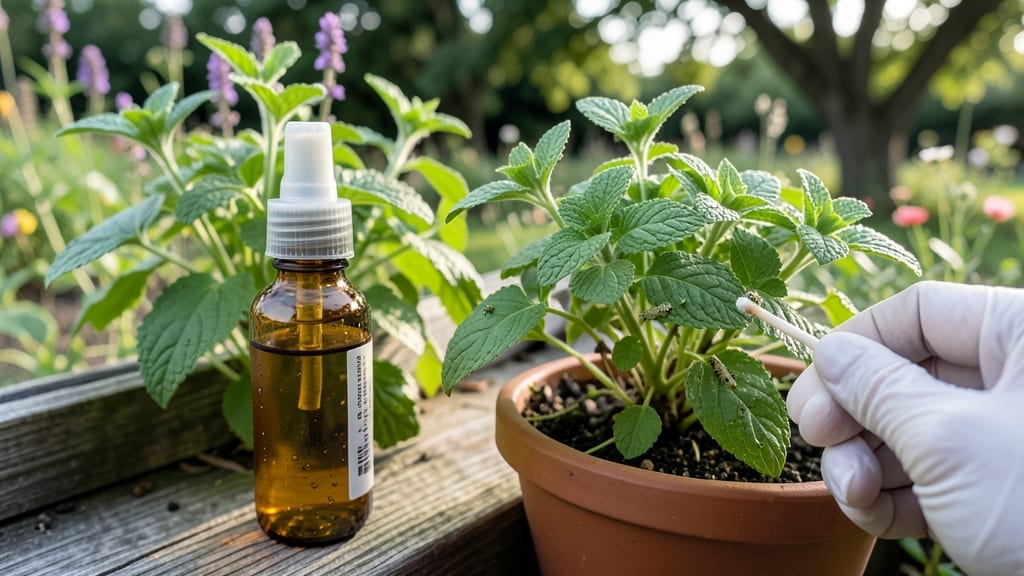
Using peppermint oil for garden pests effectively deters ants, aphids, and spider mites by masking their scent trails and confusing their navigation systems, offering a chemical-free solution when properly diluted. Mix 10-15 drops per gallon of water and apply to plant foliage or soil edges for maximum impact.
Peppermint oil's secret weapon is its high menthol content, which overpowers pests' natural scent markers. 🔥 Unlike chemical pesticides that kill indiscriminately, peppermint oil primarily repels rather than eliminates pests, making it safer for beneficial insects like bees and ladybugs.
The key is consistency—reapply every 7-10 days during peak pest seasons, and always test on a small plant area first to check for sensitivity.
For best results, I recommend applying in the early morning when temperatures are cooler and dew is present. This gives the oil time to absorb before the heat of the day. Store your peppermint oil spray in a dark glass bottle away from direct sunlight to preserve its potency.
Remember, while effective for many common garden pests, it may not work against larger insects like slugs or beetles.
💡 In This Article
- How Peppermint Oil Disrupts Pest Behavior in Gardens
- Safe Application Rates and Best Practices for Peppermint Oil Sprays
How peppermint oil disrupts pest behavior in gardens
Peppermint oil's pest-repelling power comes from its two dominant compounds: menthol and menthone.
These molecules overwhelm the olfactory receptors of insects like ants and aphids, scrambling their ability to follow scent trails that lead to food sources. 🔥 For example, ants rely heavily on pheromone trails—when peppermint oil coats these paths, the workers lose their navigational cues and abandon the area.
Studies show that even a 0.5% dilution (about 15 drops per gallon) can disrupt ant foraging patterns within 30 minutes of application.
The concentration matters significantly—higher doses create a stronger sensory barrier, but too much can harm plants. Pure peppermint oil is 100 times more potent than commercial essential oils, so proper dilution is critical.
For spider mites, which detect plant damage through chemical signals, peppermint oil masks these distress cues, making plants appear less appealing. However, unlike neem oil which has mild insecticidal properties, peppermint oil primarily repels rather than kills, making it safer for pollinators like bees when used correctly.
Temperature also affects efficacy. Cooler conditions (60-75°F) allow the oil's volatile compounds to linger longer in the air, creating a more persistent repellent effect. I've noticed that morning applications work best because the cooler air helps the oil disperse evenly across foliage.
The strong aroma—often described as fresh and minty—actually serves as a natural deterrent for many pests, while the oil's slight viscosity helps it adhere to plant surfaces longer than water alone.
There's an important distinction between repelling and killing pests. Peppermint oil doesn't contain the neurotoxic compounds found in synthetic pesticides, which means it won't harm beneficial insects like ladybugs or lacewings when used properly. However, some sensitive plants (like mint family members) may show signs of stress at higher concentrations.
Always do a patch test on a small leaf area before full application—look for any yellowing or wilting within 24 hours.
The science behind this works at a molecular level. Menthol molecules bind temporarily to the same receptors in insects' antennae that detect food sources, creating sensory confusion.
This is similar to how human sunscreen contains compounds that block UV rays by absorbing or scattering them—peppermint oil essentially "blocks" pest navigation signals. The effect lasts 7-10 days before needing reapplication, depending on weather conditions and pest pressure.