
Tools
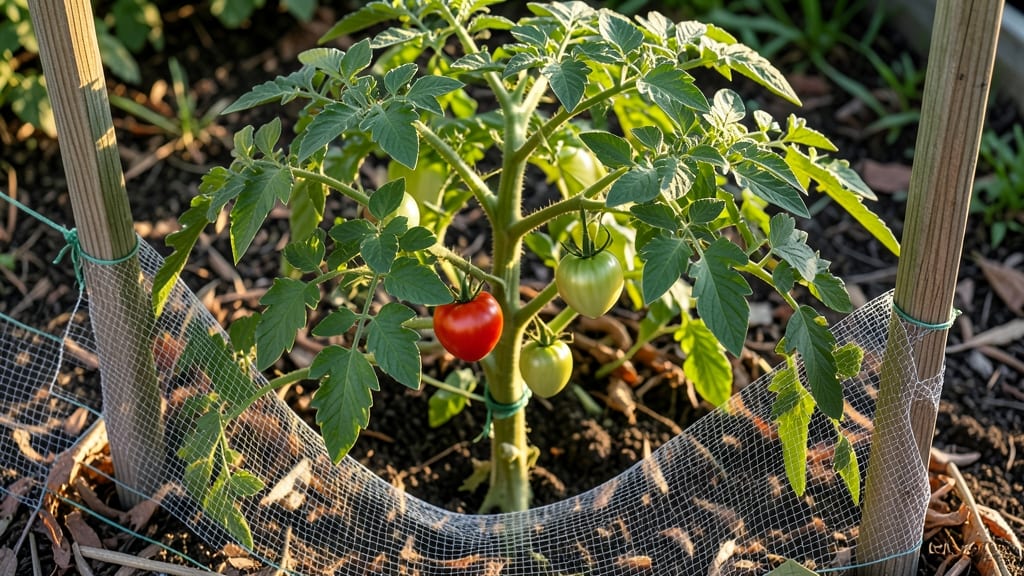
Pest netting for gardens creates a physical barrier against insects, birds, and wildlife damage while maintaining essential growing conditions. Use 0.6mm mesh for tiny pests like aphids or 1.5mm mesh for larger threats such as birds, securing it snugly around planting areas. Early-season installation maximizes protection before pests arrive.
This protective barrier works by blocking pests while letting sunlight, water, and airflow reach your plants—critical for healthy growth. 🔥 The right mesh size prevents entry without suffocating your crops, and proper installation (like using sturdy clips and avoiding gaps) ensures long-term effectiveness.
I've found that UV-resistant netting lasts through multiple seasons, making it a cost-effective solution for organic gardeners.
For best results, choose netting based on your biggest threats—fine mesh for delicate seedlings or larger mesh for bird-prone areas like berry bushes. The key is securing it tightly at the edges and creating small ventilation holes if needed to prevent heat buildup during summer months.
💡 In This Article
- How Different Pest Netting Types Work Against Garden Threats
- Step-by-Step Guide to Installing Garden Pest Netting Correctly
How different pest netting types work against garden threats
The effectiveness of garden netting starts with its material composition. Most commercial netting uses polypropylene or polyethylene fibers, where polypropylene offers better UV resistance (critical for 3-5 year durability) while polyethylene provides slightly more flexibility.
The mesh size—measured in millimeters—determines what pests can penetrate. For example, 0.6mm mesh blocks aphids and whiteflies (common tomato pests), while 1.5mm mesh stops birds from pecking at strawberries or blueberries.
Here's how the mesh actually works: each square inch contains hundreds of tiny intersections that create a physical barrier.
A 0.6mm mesh has about 1,000 openings per square inch, while 1.5mm mesh reduces that to roughly 300 openings—enough to keep out larger insects and birds but still allow 90% of sunlight to penetrate.
The material's 3D crimped structure (where fibers are twisted and heat-set) prevents pests from chewing through, unlike flat woven fabrics.
UV resistance matters because sunlight degrades plastic fibers over time. Standard netting loses 30-50% of its strength after one season, but UV-stabilized versions maintain 80% strength for three years.
This is why I recommend checking the label for "UV-protected" or "long-lasting" claims—it directly impacts how many growing seasons you'll get from your investment. For example, a $20 roll of UV-treated netting might save you $60+ over three years compared to untreated options.
Durability also depends on weight—heavy-duty netting (1.5 oz/sq yd) resists wind better than lightweight versions (0.8 oz/sq yd). The tradeoff? Heavier netting costs 20-30% more but lasts longer in windy climates.
For vegetable gardens, I've found 1.2 oz/sq yd strikes the best balance between cost and performance, especially when secured with galvanized metal clips every 12-18 inches along the edges.
Consider these key factors when choosing netting:
- Target pests: 0.6mm for aphids, 1.0mm for squash bugs, 1.5mm for birds
- Crop type: Delicate seedlings need finer mesh; berry bushes need bird protection
- Season length: UV-stabilized netting pays off in multi-year use
- Climate: Heavy-duty netting handles wind better in exposed areas
What most gardeners don't realize is that netting's effectiveness drops dramatically when it sags or tears. Even a 2-inch gap can let pests crawl underneath—this is why proper installation (covered in the next section) is just as important as choosing the right material.
The best netting in the world fails if it's not secured tightly!