
Tools
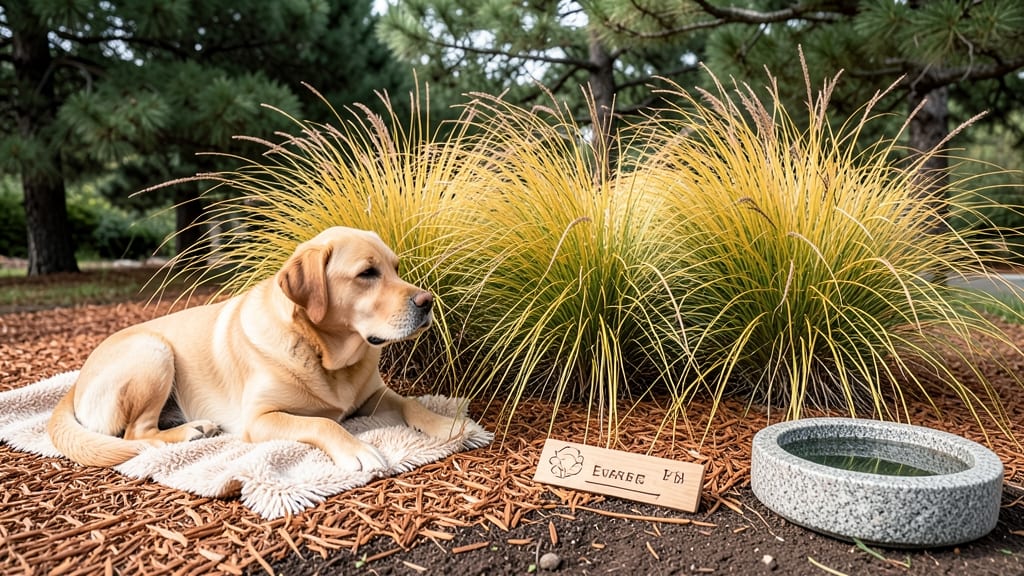
Keeping a pet in the garden safely means using positive reinforcement, designated play zones, and natural barriers like fencing or mulch beds to prevent destructive digging or chewing while maintaining their happiness.
Creating a pet-friendly garden starts with understanding their instincts—dogs dig, cats scratch, and all pets explore with their mouths. 🌿 The key is redirecting that energy into safe behaviors, like teaching them to dig in a sandbox instead of flower beds or chewing on approved toys.
I’ve found that combining visual cues (like bright mulch borders) with treats for good behavior works best, as pets respond to consistency and clear boundaries. Start with short training sessions in the garden to build positive associations, and always supervise early on to prevent bad habits from forming.
For plants, the solution often lies in smart design. Raised beds with secure edges or pet-safe plants like lavender (which cats dislike) can reduce damage. 🌱 Another trick is using natural deterrents like citrus peels around vulnerable areas—most pets avoid the scent.
If your garden has toxic plants (like lilies for cats), consider replacing them with pet-resistant alternatives like sunflowers or marigolds. The goal is harmony: a space where both your green thumb and your furry friend can thrive.
💡 In This Article
- How to Train Pets for Garden-Friendly Behavior
- Protecting Plants from Curious Pets
How to train pets for garden-friendly behavior
Training begins with understanding your pet's natural instincts—dogs dig to bury treasures, cats scratch to mark territory, and all pets explore with their mouths. The secret lies in redirecting these behaviors using positive reinforcement.
Start by teaching basic commands like "leave it" (for chewing) or "stay" (for boundary respect) in short, 5-minute sessions indoors first. Use high-value treats like small pieces of chicken or cheese to create positive associations with commands.
For example, when your dog shows interest in a plant, say "leave it" and reward immediately when they comply. 🌟
Gradual exposure to the garden is crucial. Begin by letting your pet explore the outdoor space on a leash, rewarding calm behavior near plants. Over 1-2 weeks, slowly increase their freedom while maintaining supervision.
Create designated play areas with pet-safe digging zones (like a sandbox filled with 3-4 inches of sand) or chew toys placed strategically near tempting plants. The key is consistency—always redirect unwanted behavior to approved alternatives.
For cats, consider vertical spaces like cat trees to satisfy their scratching instincts away from garden beds.
Visual boundaries work wonders. Use bright mulch (like red or orange dye) to mark garden edges or install low fencing (12-18 inches tall) that pets can see but not climb.
Cats respond well to catnip toys placed near vulnerable areas, while dogs may benefit from sprinkling citrus peels (which they dislike) along garden borders. The science here is simple: pets learn through repetition and clear consequences.
When they receive treats for good behavior and nothing for bad, they quickly associate actions with rewards. 💫
Scent plays a powerful role too. Many pets avoid strong smells like vinegar or citrus. Spraying a 1:1 vinegar-water mix around plant bases can deter digging, while placing citrus peels near entry points discourages chewing.
For dogs, the "stay" command paired with a hand signal (like an open palm) helps reinforce boundaries. Cats often respond better to physical barriers like chicken wire buried 6 inches deep around garden edges—it's invisible to them but stops digging.
The goal is to make the garden a place of positive experiences, not temptation.
Timing matters in training. Always end sessions on a positive note—even if progress is slow. For example, if your dog successfully ignores a flower bed for 30 seconds, reward immediately. Cats may take longer to adapt, so patience is key.
Consider using a clicker to mark desired behaviors precisely before giving treats. This creates a direct link between action and reward in their minds. Remember, training is a marathon, not a sprint—most pets show noticeable improvement after 4-6 weeks of consistent practice. 🔥
One advanced technique is "environmental enrichment." For dogs, bury toys in the sandbox to encourage digging there instead of flower beds. Cats enjoy cat grass (wheatgrass) placed near windows—they'll prefer this over garden plants. The principle is simple: provide alternatives that satisfy their instincts in ways that protect your plants.
This approach transforms the garden into a shared space where both your pet and your greenery can thrive. The payoff is a happy pet and a garden that stays intact! ✨