
Tools
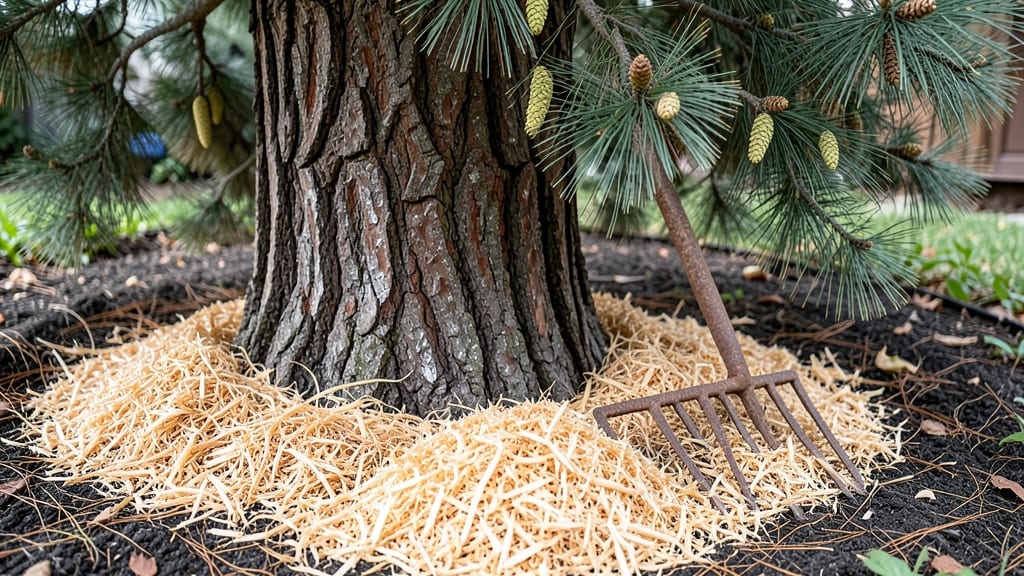
Using pine shavings in the garden creates natural mulch that locks in moisture, blocks weeds, and enriches soil gradually—but they acidify the ground over time, potentially stunting growth in sensitive plants. Keep them away from hydrangeas, azaleas, and other acid-averse varieties.
Pine shavings work brilliantly for plants that love acidic soil, like blueberries or camellias, because their slow decomposition releases organic acids that mimic their natural habitat. 🌿 However, the same trait makes them risky for vegetables or flowers that prefer neutral pH, where they can slow nutrient uptake.
I recommend testing your soil first—most garden centers sell affordable pH kits—and mixing pine shavings with compost to buffer the acidity if you're unsure about your plants' preferences.
For best results, apply 2-3 inches of shavings in spring, keeping them 6 inches away from plant stems to prevent rot. In fall, a lighter layer helps insulate roots during winter. If you're mulching near tomatoes or lettuce, opt for cedar chips instead—they're less acidic and still suppress weeds effectively.
💡 In This Article
- How Pine Shavings Affect Soil pH and Plant Growth
- Best Ways to Use Pine Shavings as Garden Mulch
How pine shavings affect soil pH and plant growth
Pine shavings break down slowly, releasing tannins that gradually acidify the soil over time. These organic compounds lower the pH by releasing hydrogen ions, creating an environment similar to pine forests where the soil naturally sits between 4.5 and 5.5.
For plants like blueberries or rhododendrons, this acidic environment is ideal because it mimics their native conditions and enhances nutrient availability, particularly iron and manganese. 🌱 The process begins immediately upon application, with the most significant pH drop occurring within the first 3-6 months as microbial activity accelerates decomposition.
The acidification effect varies by pine species—southern yellow pine, for example, releases more tannins than eastern white pine, creating a 0.5-1.5 pH unit drop depending on application thickness and soil type. Sandy soils show faster pH changes because they lack buffering capacity, while clay soils resist changes longer.
This is why testing your soil's current pH (using a $10 home kit) is essential before applying pine shavings near sensitive plants. Most vegetables prefer a neutral pH (6.0-7.0), where pine shavings can actually inhibit growth by locking up essential nutrients like phosphorus.
What makes this particularly tricky is that the acidity isn't uniform—it's strongest right where the shavings decompose. That's why I recommend keeping them 6 inches away from plant stems to prevent localized pH extremes that could damage roots.
For container gardens, this means using pine shavings only in pots meant for acid-loving plants like azaleas, never in vegetable containers. The good news?
This acidifying effect can be mitigated by mixing pine shavings with compost or lime to create a buffered mulch that gradually releases nutrients without drastic pH swings.
Consider these key plant groups when deciding where to use pine shavings:
- Thrive in acidic conditions: Blueberries, rhododendrons, camellias, potatoes, and cranberries (pH 5.0-6.0)
- Tolerate mild acidity: Strawberries, raspberries, and some herbs like thyme (pH 5.5-6.5)
- Avoid near: Tomatoes, lettuce, cabbage, and most flowers (pH preference 6.0-7.5)
The visual difference is striking—acid-loving plants show vibrant growth with deep green leaves when using pine shavings, while sensitive plants may develop yellowing leaves (chlorosis) as they struggle to absorb iron.
This happens because the high acidity changes iron from its available form (Fe²⁺) to an insoluble form (Fe³⁺) that plants can't use. 🌿 The solution? If you love the look of pine shavings but have mixed plants, create separate mulched zones or use them only in dedicated acid-loving beds.
For the most precise approach, conduct a simple soil pH test every 6 months in areas where you've applied pine shavings. Most garden centers sell test kits with color charts that show pH levels from 4.0 (extremely acidic) to 8.0 (alkaline).
If your pH drops below 5.0 in vegetable beds, switch to cedar mulch or straw instead—they're neutral and won't disrupt your plants' nutrient uptake. The key is matching your mulch choice to both your plants' needs and your soil's current chemistry.