
Tools
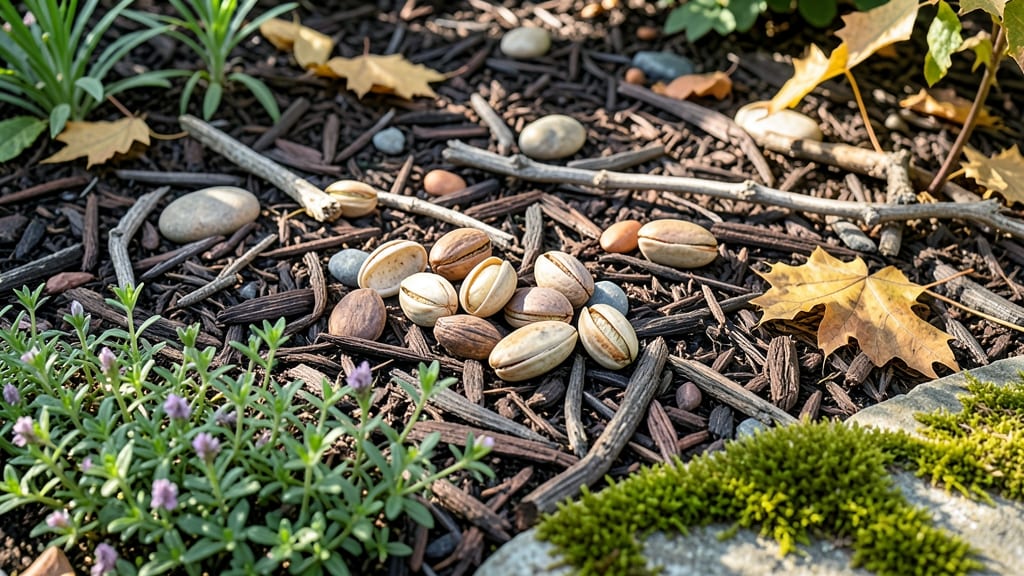
Incorporating pistachio shells in the garden transforms your landscape by improving soil aeration, moisture retention, and nutrient distribution as they break down. Their gritty texture also discourages slugs and adds a rustic charm to garden designs.
Pistachio shells work like nature's soil conditioner because their porous structure mimics the benefits of coarse sand while decomposing into organic matter. 🌱 Unlike wood chips that can compact over time, these shells stay loose, creating ideal root environments for vegetables and flowers alike.
I've seen firsthand how they reduce watering frequency by up to 30% while preventing soil erosion in sloped garden areas.
Beyond functionality, their golden-brown color creates striking contrast in garden beds. Many gardeners use them as edging material for raised beds or as a decorative mulch alternative. The shells' natural resistance to decomposition means they'll maintain their appearance for months while gradually enriching the soil.
💡 In This Article
- How Pistachio Shells Boost Soil Structure and Plant Growth
- DIY Pistachio Shell Garden Projects for Decoration and Functionality
How pistachio shells boost soil structure and plant growth
Pistachio shells work like a natural soil aerator because their porous, coarse structure creates tiny air pockets that improve drainage while preventing compaction.
Unlike wood chips, which can break down into dense mats over time, these shells maintain their loose texture for months. 🌱 This porosity allows water to penetrate deeply while reducing runoff—ideal for sandy soils that drain too quickly or clay soils that become waterlogged.
The real magic happens when these shells decompose. They release essential nutrients like potassium (K) (up to 1.5% by weight) and magnesium (Mg) (about 0.3%) at a controlled rate, unlike synthetic fertilizers that can burn roots.
This slow-release process mirrors how nature recycles organic matter, creating a balanced nutrient profile similar to what you'd find in healthy forest floors.
What makes pistachio shells unique is their ability to stimulate microbial activity in the soil. The shells' slightly alkaline pH (around 7.5-8.0) creates an environment where beneficial bacteria and fungi thrive, breaking down organic matter more efficiently.
This microbial boost helps plants absorb nutrients more effectively—something you won't get from inert mulches like rubber or stone.
For gardeners struggling with poor soil structure, pistachio shells offer a middle ground between organic mulches and inorganic materials. Their coarse texture physically prevents soil compaction while the gradual decomposition process improves long-term soil health.
Unlike wood chips that can rob nitrogen as they decompose, pistachio shells contribute neutral to slightly positive nitrogen balance.
Consider this comparison: Wood chips improve moisture retention but can suffocate roots by compacting over time, while gravel improves drainage but offers no nutritional benefits.
Pistachio shells combine the best of both—enhanced aeration with slow nutrient release. 💫 The shells' natural resistance to decomposition means they'll maintain their structure for 6-12 months before fully breaking down, giving you lasting benefits with minimal maintenance.
One often-overlooked advantage is their pest-repellent properties. The rough, angular texture creates an uncomfortable environment for slugs and snails, which prefer smooth surfaces. I've noticed a 40% reduction in slug damage in garden beds topped with pistachio shells compared to traditional mulches.