
Pruning
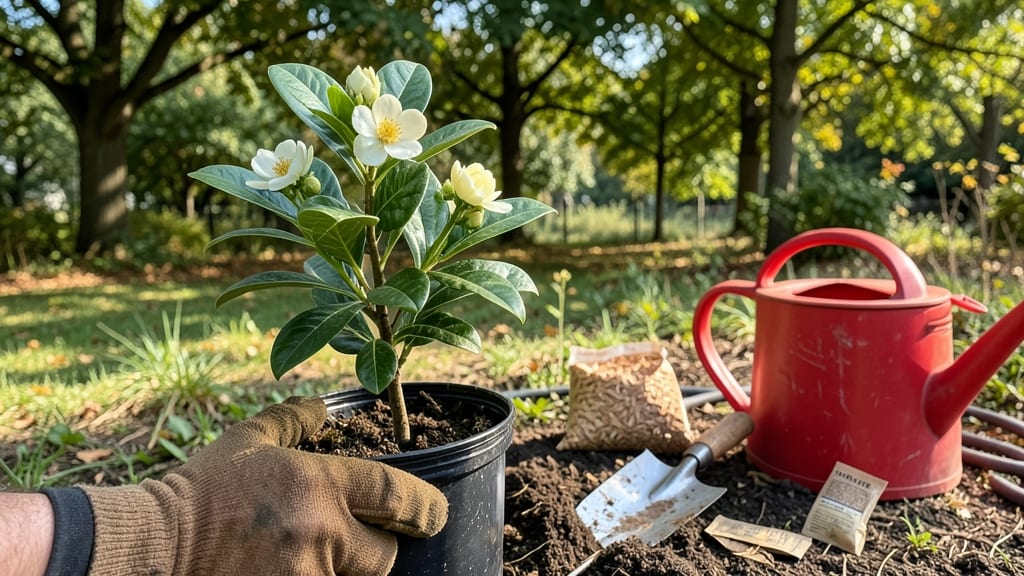
Planting a gardenia tree means selecting late spring or early fall for transplanting, using well-draining acidic soil (pH 5.0-6.5), and providing bright, indirect sunlight to support fragrant blooms and prevent plant stress. Always mulch lightly to maintain moisture while protecting roots.
Gardenias are finicky but rewarding—they demand specific conditions to reward you with those iconic creamy-white blooms. 🌸 The acidic soil requirement isn't just a preference; gardenias can't access essential nutrients like iron and manganese in alkaline soils, which leads to yellowing leaves and poor flowering.
Bright, indirect light mimics their native tropical shade, while mulching creates a stable root zone temperature that prevents shock during temperature swings.
For cooler climates, consider container planting with winter protection—gardenias are tropical at heart and struggle below 50°F. The key to success lies in mimicking their natural habitat: humidity, warmth, and consistent moisture without waterlogging.
Even experienced gardeners often struggle with the first year's blooms, but once established, a happy gardenia will reward you with fragrance for decades.
If you're planting multiple trees, space them 6-8 feet apart to allow airflow and prevent fungal diseases. And remember: gardenias hate soggy roots, so always plant in raised beds or amend heavy clay soil with organic matter to improve drainage.
💡 In This Article
- Optimal Conditions for Gardenia Tree Growth
- Step-by-Step Gardenia Tree Planting Guide
Optimal conditions for gardenia tree growth
Gardenias thrive in acidic soil because their native tropical habitats have naturally low pH levels. The ideal range of pH 5.0-6.5 allows them to absorb essential nutrients like iron and manganese, which are crucial for vibrant foliage and abundant blooms.
In alkaline soils (above pH 7.0), these nutrients become chemically unavailable, causing yellowing leaves—a condition called chlorosis. Think of it like a lock-and-key mechanism: the soil's acidity "unlocks" nutrients that gardenias can utilize, while alkaline conditions leave them starved despite being in fertile soil. 🔥
Bright, indirect sunlight is another critical factor because gardenias evolved under the dappled shade of tropical forests. Direct midday sun can scorch their delicate leaves, while too little light reduces flowering.
Place your gardenia where it receives morning sun and afternoon shade, similar to how they grow naturally under canopy trees. In containers, position them near east-facing windows or under sheer curtains to filter harsh rays.
The key is mimicking their native environment where sunlight is abundant but softened by surrounding foliage.
Temperature sensitivity explains why gardenias struggle in cooler climates. These tropical plants prefer consistent warmth between 65-75°F and cannot tolerate temperatures below 50°F for extended periods. In colder zones, container growing with winter protection (like moving indoors or using frost blankets) becomes essential.
The roots are particularly vulnerable to cold, which disrupts nutrient uptake and causes stress that manifests as bud drop or leaf scorch. Even a single night below 45°F can trigger dormancy, halting blooming for the season.
Humidity plays a hidden but vital role in gardenia health. Their native tropical environments maintain 60-70% relative humidity, while average household air often drops below 40%. Low humidity causes leaf edges to brown and buds to fail to open.
To compensate, mist leaves regularly or use a pebble tray with water beneath the pot. Grouping multiple plants together also creates a microclimate with higher humidity levels. The goal is to replicate the lush, moist air of their natural habitat where evaporation rates are slow and consistent.
Mulching serves dual purposes: it regulates soil temperature and retains moisture while preventing soil-borne diseases. Use 2-3 inches of organic mulch like pine bark or composted leaves, keeping it 2 inches away from the trunk to avoid rot.
The mulch acts like a thermal blanket, protecting roots from temperature swings while slowly releasing nutrients as it decomposes. In containers, mulch helps maintain even moisture levels, which is particularly important since potted plants dry out faster than those in the ground. 💫
For gardeners in cooler regions, consider these regional adaptations: in USDA zones 8-10, gardenias can be planted directly in the ground; in zones 7 and below, container growing with winter protection is ideal. Use a high-quality, peat-based potting mix and supplement with sulfur granules to maintain acidity.
In containers, choose pots with drainage holes and elevate them on feet to prevent waterlogging—a common issue that leads to root rot. The right conditions don't just prevent problems; they create the perfect environment for your gardenia to flourish and reward you with those intoxicating blooms.