
Companion Plants
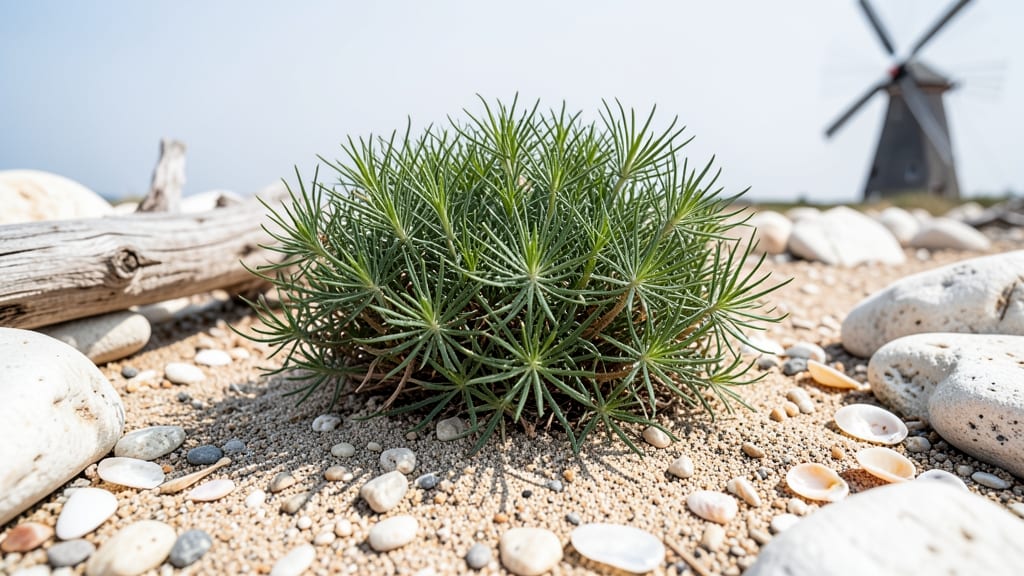
For seaside gardens, salt-tolerant plants like sea oats, beach grass, and marsh mallow are essential choices that withstand harsh coastal conditions while thriving with minimal freshwater. Prioritizing native species and properly amended soil creates the foundation for resilient, low-maintenance landscapes.
Coastal plants have evolved remarkable adaptations to handle salt spray, sandy soil, and strong winds—traits that make them perfect for seaside gardens. 🌊 Their deep root systems anchor them firmly, while specialized leaves reduce water loss and filter out excess salt.
Unlike many ornamental plants, these hardy species often require less frequent watering once established, making them ideal for drought-prone coastal areas. I always recommend starting with native varieties, as they're already perfectly suited to local climate challenges.
Beyond plant selection, soil preparation is just as critical. Sandy coastal soil drains too quickly, so incorporating organic matter like compost or coconut coir helps retain moisture while improving nutrient availability. A 2-3 inch layer of mulch also prevents salt buildup from evaporating seawater and protects roots during temperature swings.
For best results, test your soil's pH and salinity levels before planting—most coastal natives prefer slightly acidic conditions between 6.0-7.0.
💡 In This Article
- How Salt-Tolerant Plants Survive Coastal Conditions
- Preparing Soil for Seaside Planting Success
How salt-tolerant plants survive coastal conditions
Salt-tolerant coastal plants have developed specialized physiological traits that allow them to thrive where most garden varieties would perish. One key adaptation is their ability to excrete excess salt through specialized glands in their leaves, a process called "salt excretion."
For example, sea lavender (Limonium spp.) can filter out up to 90% of absorbed salt, preventing toxic buildup in its cells.
This mechanism is similar to how human kidneys process electrolytes, but at a cellular level in plant tissues. 🌿 Another critical feature is their deep root systems, which can extend 3-5 feet below the surface to access freshwater reserves beyond the salty topsoil layer.
The leaf structure of these plants also plays a crucial role in survival. Many coastal species have thick, waxy cuticles or fleshy leaves that reduce water loss—a trait called succulence.
Beach morning glory (Ipomoea pes-caprae), for instance, stores water in its stems and leaves, allowing it to survive prolonged drought and salt spray exposure. These adaptations create a protective barrier that prevents salt crystals from forming on leaf surfaces, which would otherwise block sunlight and damage cellular structures.
In comparison, non-native plants often lack these specialized features, making them vulnerable to salt stress and wind damage.
Wind resistance is another critical factor, where coastal plants develop flexible stems and low-growing habits to minimize damage. Sea oats (Uniola paniculata) grow in dense clumps that reduce wind exposure to individual stems, while their fibrous root systems act like natural windbreaks.
This structural resilience allows them to maintain stability even during 50-60 mph coastal winds, which would uproot less-adapted plants. The combination of these physiological traits—salt excretion, deep roots, and wind-resistant growth patterns—explains why native coastal species often require 30-50% less freshwater than their inland counterparts once established.
What most gardeners don't realize is how these plants manage their internal water balance. Many coastal species, like marsh mallow (Althaea officinalis), use a process called "osmotic adjustment" to maintain turgor pressure in their cells despite saline conditions.
This involves producing special organic compounds called osmolytes that lower the water potential inside plant cells, allowing them to absorb water even when soil salinity is high. The result is plants that appear lush and healthy despite growing in environments where freshwater irrigation would be wasted. 💧
For practical application, understanding these adaptations helps in plant selection. Native species like dune sunflower (Helianthus debilis) and beach heather (Solidago sempervirens) are excellent choices because they've evolved alongside coastal conditions for centuries.
Their resilience translates directly to lower maintenance requirements—once planted in suitable conditions, they typically need only 1-2 supplemental waterings per month during dry periods, compared to 3-4 times weekly for non-native ornamentals.
Consider this comparison: A non-native rose bush planted in coastal soil would require constant freshwatering to dilute salts, while a native sea grape (Coccoloba uvifera) would thrive with minimal intervention.
The difference lies in these evolutionary adaptations that make coastal natives the perfect foundation for low-maintenance seaside gardens. 🌊