
Landscaping
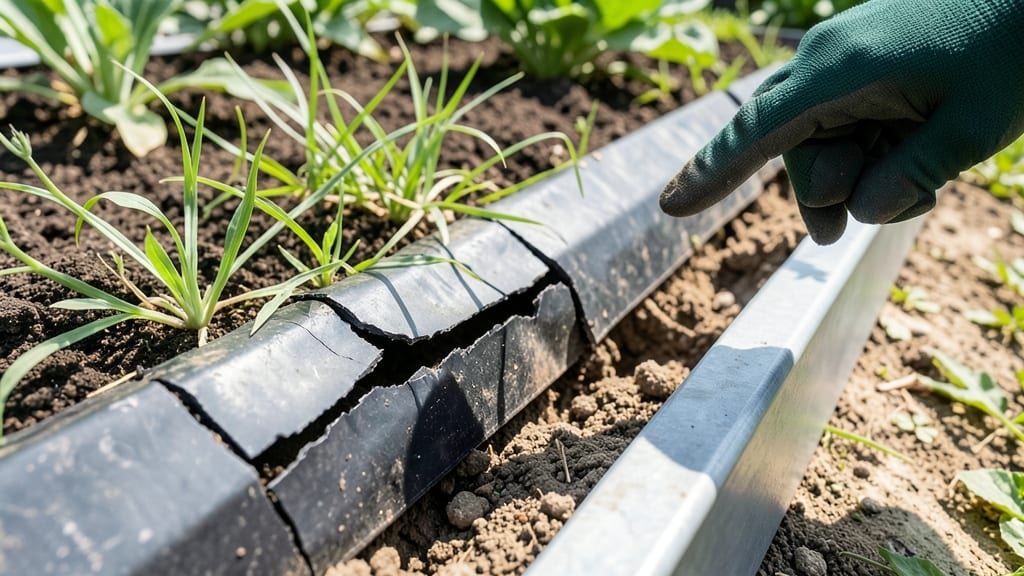
Understanding plastic edging gardening dangers reveals serious risks like soil compaction, stunted root development, and chemical runoff that degrade plant health over time. These barriers also disrupt natural water flow and contribute to microplastic pollution.
Plastic edging might seem like a quick fix for garden beds, but its long-term effects on soil health are significant.
The rigid material creates an unnatural barrier that prevents roots from expanding naturally, which can lead to smaller, weaker plants. 🌱 Additionally, some plastics leach chemicals like phthalates into the soil, disrupting beneficial microbes that help plants absorb nutrients.
Even "eco-friendly" options may still trap moisture against the edging, creating anaerobic zones where roots suffocate.
Beyond plant health, plastic edging contributes to a broader environmental issue by breaking down into microplastics over time. These tiny particles can enter waterways and soil ecosystems, affecting not just your garden but also wildlife and local biodiversity.
If you're looking for alternatives, materials like natural stone or untreated wood allow for better soil aeration and drainage while minimizing chemical exposure.
💡 In This Article
- How Plastic Edging Damages Soil Structure and Plant Growth
- Safer Alternatives to Plastic Garden Edging for Healthy Soil
How plastic edging damages soil structure and plant growth
The rigid nature of plastic edging creates a physical barrier that prevents roots from spreading naturally. When roots hit the hard plastic surface, they grow in circular patterns around the edging rather than downward or outward.
This restricted growth leads to shallower root systems, which make plants more susceptible to drought and wind stress. 🌱 For example, a tomato plant with roots confined by plastic edging may produce smaller fruits because its nutrient and water uptake is limited compared to a plant with deep, unrestricted roots.
Chemical leaching is another critical issue. Many plastic edgings contain additives like phthalates or BPA, which can seep into the soil over time. These chemicals disrupt soil microbiomes—the beneficial bacteria and fungi that help plants absorb nutrients.
Studies show that phthalates, commonly found in PVC plastics, can reduce microbial activity by up to 30%, directly impacting plant health. The leaching process accelerates in warmer temperatures, making summer gardens particularly vulnerable.
Plastic also disrupts natural soil aeration by creating a sealed boundary. Healthy soil needs air pockets for oxygen to reach roots, but plastic edging traps moisture against the barrier, leading to anaerobic conditions where roots suffocate.
This is especially problematic for deep-rooted plants like carrots or parsnips, which require well-aerated soil to grow properly. Over time, this can turn fertile soil into a compacted, waterlogged mess that struggles to support plant life.
Even so-called "eco-friendly" plastic edgings contribute to microplastic pollution. When exposed to sunlight and weather, plastic degrades into tiny particles that contaminate soil and water systems.
These microplastics can be ingested by earthworms and other soil organisms, disrupting their digestive systems and reducing their ability to break down organic matter. 🌍 Research from the University of Toronto found that microplastics can reduce earthworm populations by 25% in contaminated soils, which in turn affects nutrient cycling.
Visual signs of plastic edging damage often appear within 1-2 growing seasons. Look for yellowing leaves, stunted growth, or plants leaning toward the edging in search of space. The soil near plastic borders may also feel denser and harder to dig, indicating compaction.
These symptoms are clear indicators that the edging is hindering rather than helping your garden's health.
For gardeners concerned about aesthetics, it's worth noting that plastic edging's short-term visual appeal comes at a long-term cost. While it may keep mulch in place initially, the hidden damage to soil structure and plant health far outweighs any temporary benefits.
The key takeaway is that plastic edging creates a false sense of garden organization while silently sabotaging the very foundation of plant growth.