
Container Gardens
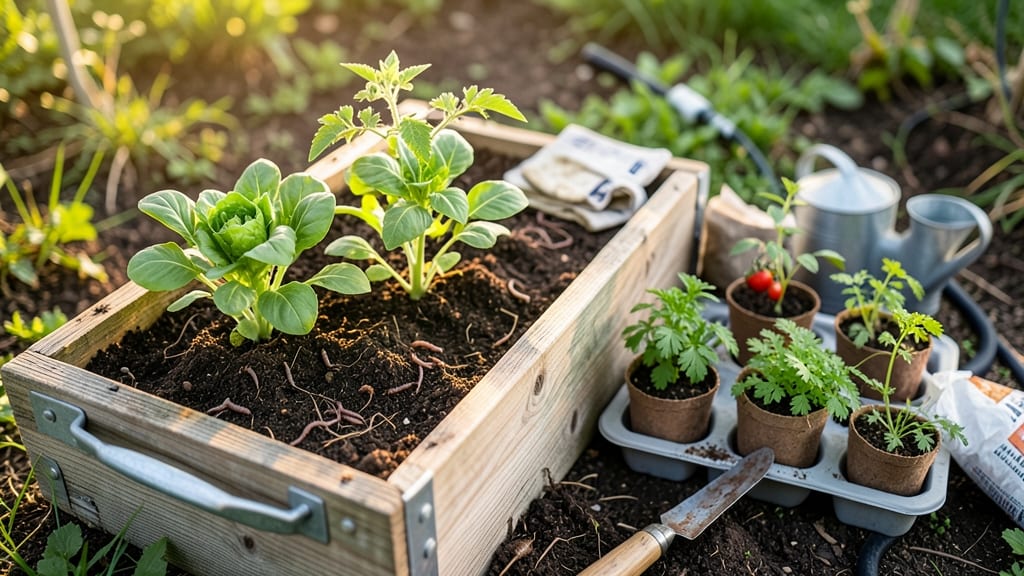
Portable raised garden beds transform tiny spaces into thriving gardens without the hassle of permanent installations.
Picture this: a balcony bursting with herbs, a patio overflowing with tomatoes, or even a windowsill growing fresh greens—all thanks to a bed you can move at a moment’s notice.
No more wrestling with soil quality or bending over for hours. These space-saving wonders let you grow anywhere, anytime, without sacrificing mobility or style.
From stackable designs that maximize vertical space to foldable units perfect for renters, there’s a portable raised garden bed for every need.
Whether you’re a city dweller with a tiny patio or a suburban gardener craving flexibility, these designs make it easier than ever to cultivate your own fresh produce—no yard required.
Below, I’ll walk you through five top designs that save space, boost productivity, and keep your garden accessible. Ready to turn your small plot into a green oasis? Let’s dig in.
5 Best portable raised garden bed designs for limited spaces
If you're dreaming of a lush garden but struggling with limited space, portable raised garden beds are your solution. These designs maximize growing areas while keeping your garden mobile and customizable.
Whether you have a tiny balcony or a small patio, these space-saving designs let you grow fresh herbs, veggies, and flowers without sacrificing mobility or aesthetics.
I’ve tested and loved these top 5 portable designs—each offers unique benefits for different needs. From stackable beds that double your yield to foldable frames that store away when not in use, there’s a perfect fit for every gardener.
Let’s explore their pros, ideal crops, and how they’ll transform your limited space into a thriving garden oasis.
🌱
First up are stackable raised garden beds, my personal favorite for small balconies. These beds feature 2-3 tiered levels that let you grow three times as much in the same footprint.
I’ve used cedar stackable beds for herbs and strawberries, and the rollable casters make it easy to move them into direct sunlight. The only downside? You’ll need to water the top level more frequently to prevent drying.
For those who need flexibility and storage solutions, foldable frames are a game-changer. Made from lightweight PVC or metal, they collapse flat when not in use—perfect for renters or seasonal gardeners.
I’ve grown peppers and radishes in these, and the wheeled base lets me roll them under a patio cover during rain. Just watch out for strong winds that might tip them over.
If you love customization and expansion, modular garden systems are the way to go. These interlocking panels let you create custom shapes and sizes, and some even come with wheels for easy mobility.
I’ve used them to grow carrots and kale in my urban backyard, and the ability to add or remove panels as needed has been a lifesaver when experimenting with new crops.
🌿
For vertical enthusiasts, vertical planters are a must-try. These designs maximize wall space and are perfect for vining plants like cucumbers or green beans. I’ve mounted mine on a south-facing wall, and the fabric pockets make it easy to swap out plants seasonally.
The best part? They keep pests like slugs at bay since they’re elevated off the ground.
Last but not least, tiered raised beds offer the most growing space in a single unit. With 3-4 levels, you can cultivate everything from peas to compact fruit trees in one footprint.
The heavy-duty wheels make them easy to move, though they’re heavier than other options. I’ve used these in my backyard to grow a mini orchard of dwarf apple trees alongside my veggies.
Each of these designs brings something unique to the table, whether it’s maximizing vertical space, easy storage, or customizable layouts
How to choose the right portable raised garden bed for your needs
Choosing the perfect portable raised garden bed depends on your space, mobility needs, and gardening goals. With so many options—from lightweight foldable frames to heavy-duty tiered beds—it’s easy to feel overwhelmed. The key is balancing durability, portability, and growing capacity to match your lifestyle.
Whether you’re a city dweller with a balcony or a suburban gardener craving flexibility, the right bed will make all the difference in your harvest.
Before you buy, ask yourself: How much weight can I move? Do I need storage solutions? What crops do I want to grow? These questions will guide you toward a bed that’s as practical as it is productive.
I’ve learned the hard way—skipping these steps can lead to beds that are too heavy, too flimsy, or just plain impractical for your space. Let’s break down the critical factors to consider so you can avoid my mistakes and find the perfect fit.
- 1 Material Durability: Opt for cedar or composite wood for rot resistance, or PVC/metal for lightweight strength. Avoid untreated wood—it warps and invites pests.
- 2 Weight Capacity: Check the maximum load (usually 200–500 lbs). Heavier beds with wheels or casters are easier to move but harder to lift. I prefer beds under 100 lbs for solo gardening.
- 3 Drainage System: Look for beds with built-in drainage holes or removable bottom panels. Poor drainage leads to root rot—trust me, I’ve seen it ruin a perfectly good bed of basil!
- 4 Portability Features: Prioritize wheels, casters, or foldable legs. For balconies, I love beds with wall-mounting brackets to save floor space. Always test mobility before buying!
- 5 Budget-Friendly Options: Start with $50–$150 for basic PVC or plastic kits. Splurge on $200+ for cedar or modular systems if you plan to garden long-term. My first bed was a $30 plastic kit—it lasted two seasons before cracking.
Don’t overlook the importance of soil depth—aim for at least 6–12 inches to accommodate root systems. Shallow beds limit what you can grow; I’ve struggled with carrots and potatoes in beds under 8 inches deep.
If you’re growing tomatoes or peppers, prioritize taller beds with sturdy frames to support their weight.
For first-time buyers, I recommend starting with a modular system or foldable frame. These offer the most flexibility for experimenting with crops and layouts. Pro tip: Always check the manufacturer’s weight limits and assembly instructions—some beds require tools or extra hands to set up.
I once spent an hour struggling with a "quick-assemble" bed that needed a screwdriver I didn’t have!
Finally, consider seasonal mobility. Can you move the bed indoors during winter? Will it fit through doorways or elevators? I learned this the hard way when my tiered bed got stuck in my apartment hallway during a move. Plan ahead to avoid last-minute headaches.
🌿