
Tools
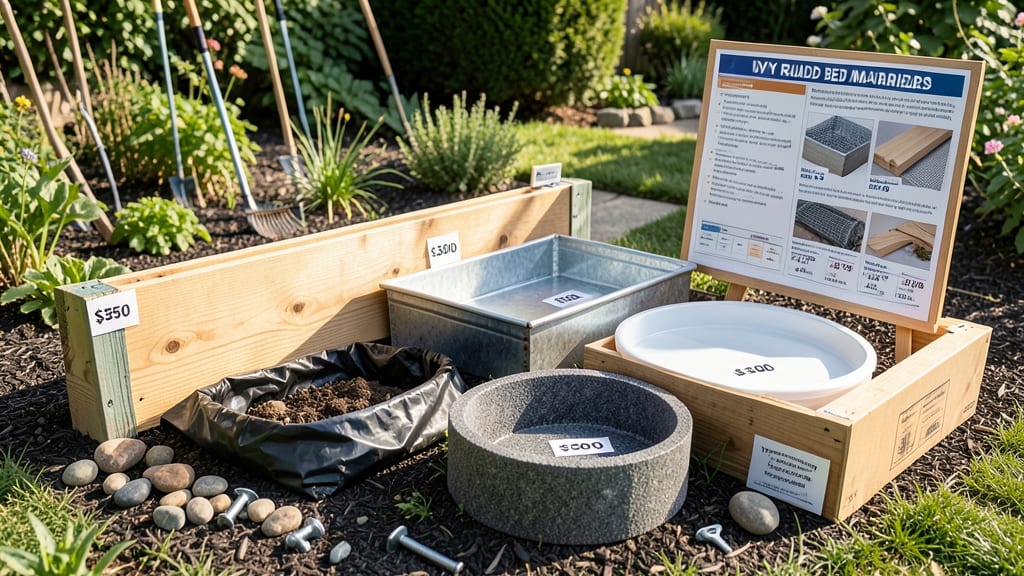
The price of raised garden beds ranges from $100 to $1,500+, influenced by size, materials (cedar, redwood, composite lumber), and whether you buy pre-made or build DIY. A standard 4x8-foot cedar bed costs $300 to $800, while custom designs with hardwood or galvanized steel frames can surpass $1,200.
The cost of raised garden beds varies widely because materials directly impact durability and longevity. 🔥 Cedar and redwood are popular choices due to their natural resistance to rot, but they’re pricier than composite lumber or recycled wood.
For budget-conscious gardeners, DIY projects using cinder blocks or reclaimed wood can cut costs significantly while still delivering great results. I’ve seen projects as low as $150 for small beds using these alternatives, though they may require more upfront assembly time.
Size also plays a major role—larger beds with deeper soil capacity (12" or more) will always cost more due to material volume. If you’re working with a limited budget, consider starting with a 4x4-foot bed (around $200-$400 for cedar) and expanding later.
Many garden centers and online retailers offer kits that simplify assembly while keeping costs predictable.
💡 In This Article
- How Material Type Affects Raised Garden Bed Pricing
- Budget-Friendly Ways to Build Affordable Raised Beds
How material type affects raised garden bed pricing
The price difference between materials comes down to two key factors: natural resistance to decay and long-term durability. Cedar, for instance, costs $3-$6 per board foot because its natural oils repel insects and rot, lasting 10-15 years with minimal maintenance.
Redwood, another premium choice, runs $4-$7 per board foot and offers similar longevity, though it’s slightly more expensive due to slower growth rates in its native forests. 🌲
Composite lumber presents a budget-friendly alternative at $2-$4 per board foot, made from recycled wood fibers and plastic. These materials won’t rot or warp, but they lack the natural aesthetic of cedar and can become brittle in extreme temperatures.
Metal frames (galvanized steel or aluminum) start around $5-$10 per linear foot and offer 20+ years of durability, though they require additional hardware for assembly and may conduct heat in sunny climates.
What most people don’t realize is how maintenance costs factor into the total price over time. Cedar beds require occasional sealing ($20-$40 every 2-3 years), while composite beds need no treatment but may develop visible cracks after 5-7 years.
Metal frames, though expensive upfront, eliminate replacement costs entirely—making them the most cost-effective option over 15+ years for large-scale gardens.
Size also interacts with material choices in unexpected ways. A 4x8-foot cedar bed uses about 12-14 linear feet of lumber, while the same size in composite would require 15-18 linear feet due to wider boards needed for structural integrity.
This 20-30% increase in material volume can add $50-$150 to the total cost for composite beds compared to cedar.
For those prioritizing sustainability, reclaimed wood offers a middle-ground option at $1-$3 per board foot, though its lifespan depends heavily on the original treatment.
Pressure-treated lumber ($1.50-$3 per board foot) is another affordable choice, but the chemicals used can leach into soil over time—something to consider for organic gardens.
Pro tip: If you’re torn between cedar and composite, calculate your bed’s lifespan needs. For short-term projects (5 years), composite may save money despite the higher upfront cost. For long-term investments, cedar’s natural beauty and durability often justify the premium.