
Container Gardens
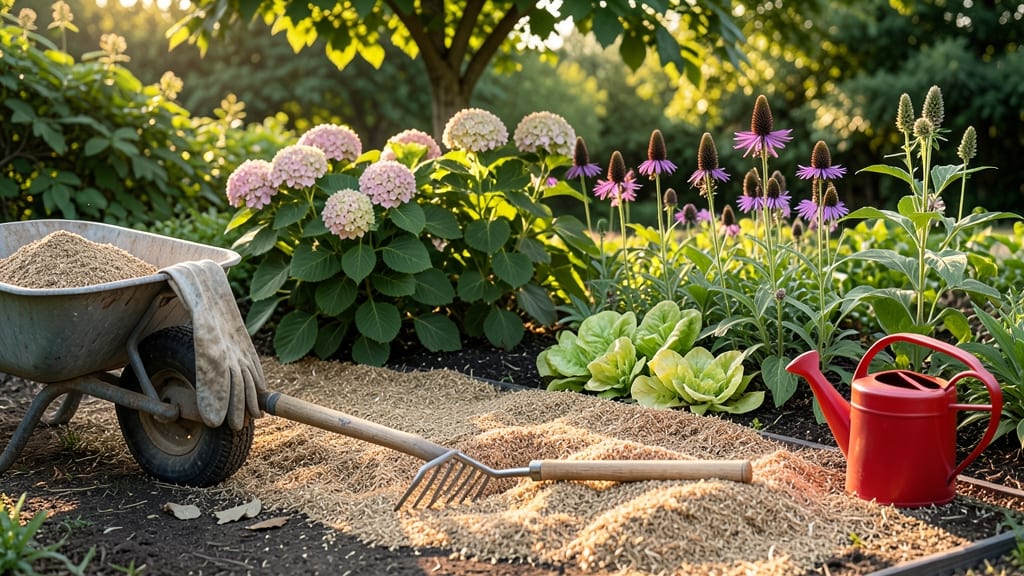
Using sawdust in garden beds enhances soil aeration and moisture retention while contributing organic matter, but it requires aging or composting first to avoid nitrogen depletion and mold growth. Keep it away from fresh seedlings or sensitive plants.
Sawdust acts as a natural soil conditioner when properly prepared, breaking down slowly to create a loamy texture that improves drainage and root development. 🌱 However, fresh wood shavings can rob nitrogen from the soil, stunting plant growth, which is why many gardeners opt to mix it with nitrogen-rich materials like manure during composting.
The key is using sawdust from untreated, non-toxic wood like oak or pine—avoid pressure-treated varieties that may contain harmful chemicals.
For best results, apply sawdust as a 1-2 inch mulch layer around established plants, keeping it 3-4 inches away from stems to prevent moisture buildup. In container gardens, blend it with existing soil at a 10-20% ratio after composting for 3-6 months.
This approach maximizes benefits while minimizing risks, making it a cost-effective way to boost soil fertility without synthetic amendments.
💡 In This Article
- How Sawdust Affects Soil Health and Plant Growth
- Safe Ways to Use Sawdust in Your Garden
How sawdust affects soil health and plant growth
Sawdust acts as a carbon-rich amendment that feeds beneficial soil microbes, accelerating the breakdown of organic matter into humus.
When properly aged, it creates a loamy texture that improves soil structure by increasing pore space—think of it as tiny air pockets that help roots breathe. 🌱 This is especially valuable in heavy clay soils where drainage is poor, as sawdust helps create channels for water and oxygen movement.
The decomposition process also generates heat, which can stimulate microbial activity up to 10-15°F warmer than surrounding soil during active composting.
The risks stem from sawdust's high carbon-to-nitrogen ratio (typically 400:1 to 800:1), which creates a "nitrogen sink" as microbes compete for available nitrogen to decompose the wood.
Fresh sawdust can draw up to 30% of soil nitrogen during decomposition, potentially causing stunted growth in nitrogen-sensitive plants like tomatoes or peppers. The pH also shifts temporarily—untreated hardwood sawdust may lower soil pH slightly (by 0.5-1.0 units), while softwoods like pine can raise it due to resin content.
Particle size matters significantly for drainage and root health. Finer sawdust (1/8-inch particles) breaks down faster but can compact around roots, while coarser shavings (1/4-inch or larger) improve aeration but decompose more slowly.
For container gardens, I recommend using medium-coarse sawdust (about 1/4-inch particles) mixed at a 20-30% ratio with existing soil to balance decomposition rate and structural benefits.
Visual changes in soil structure are noticeable within 2-4 weeks of proper application. The soil takes on a darker, crumbly texture as microbial activity increases, and you'll see improved water infiltration—water spreads 2-3 times faster through amended soil compared to untreated clay.
However, avoid using sawdust in sandy soils where it may clump and reduce drainage rather than improve it.
For sensitive plants like blueberries or azaleas, sawdust can disrupt their preferred acidic environment if not properly balanced. Always test soil pH (4.5-5.5 for acid-lovers) before application and consider blending sawdust with composted manure (1:1 ratio) to buffer potential pH shifts.
The key is patience—properly aged sawdust becomes a valuable soil enhancer, while fresh applications can become a liability.
Here's what to watch for: Healthy microbial activity smells earthy and slightly sweet, while anaerobic conditions (from improper moisture) produce a sour, vinegary odor. If you notice this, flush the soil with water to restore oxygen flow. 💫