
Tools
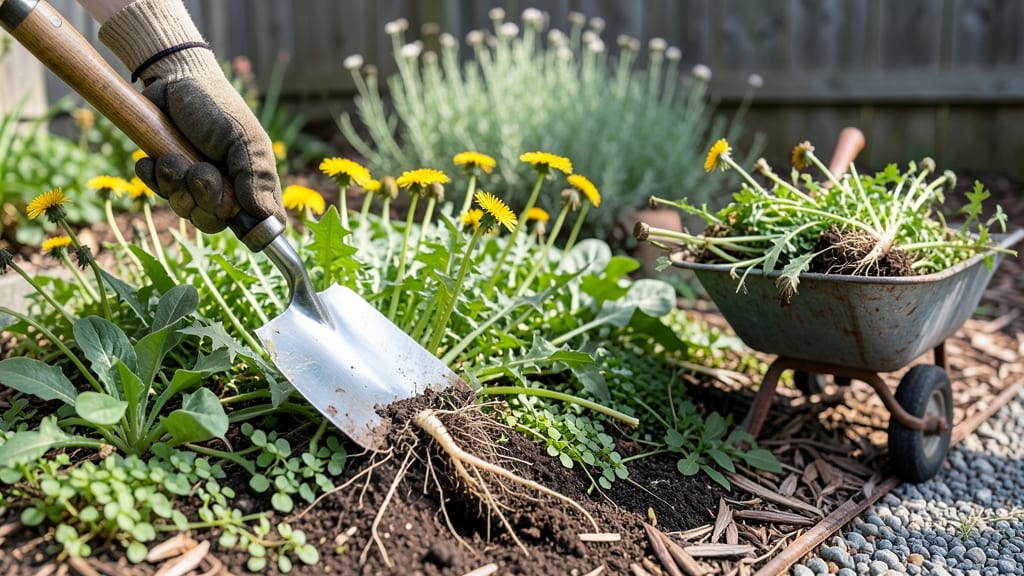
A sharp garden hoe cuts through soil effortlessly, making weeding and digging less strenuous while improving precision. Prioritize a sturdy steel blade, comfortable grip, and balanced weight to handle long garden sessions without fatigue.
A sharp garden hoe transforms tedious digging into a smooth process by slicing through soil rather than pushing it. 🔥 This reduces muscle strain and prevents soil compaction, which often happens with dull tools.
The right blade material—like carbon steel for durability or stainless steel for rust resistance—directly impacts how effortlessly it glides through garden beds. I’ve found that a well-balanced hoe with an ergonomic handle lets me work longer without hand fatigue, especially during large planting projects.
Beyond sharpness, consider the handle type: offset handles provide better leverage for deep weeding, while D-handles offer more control for precise cuts. Lightweight designs also help reduce arm strain over time, making them ideal for frequent gardeners.
The key is matching the hoe’s features to your specific tasks—whether it’s clearing weeds, breaking up soil, or planting bulbs.
💡 In This Article
- How Blade Sharpness Improves Digging Performance
- Top Features to Look for in a High-Quality Garden Hoe
How blade sharpness improves digging performance
A sharp garden hoe blade acts like a precision knife in soil, slicing through roots and dirt with minimal resistance. When the edge is honed to a 15-20° angle, it creates a clean shear point that separates soil particles instead of crushing them.
This reduces the force needed by up to 40% compared to a dull blade, which pushes and compacts soil, making your muscles work harder. The physics here are simple: sharp edges concentrate force at a single point, while dull edges distribute it across a broader surface, requiring more effort.
This clean cutting action also prevents soil compaction, a common issue with dull tools that smash particles together. Compacted soil reduces oxygen flow to plant roots and makes future digging even harder.
I’ve noticed that after using a sharp hoe for 30 minutes in a garden bed, the soil remains loose and aerated—ideal for seed germination or transplanting. The blade’s sharpness maintains this effect even in clay-heavy soils, where dull tools would leave a dense, muddy mess.
Edge maintenance is where the magic happens long-term. A blade that’s sharpened to a 0.002-inch tolerance (about the thickness of a human hair) can maintain its efficiency for hundreds of uses.
Neglecting this leads to a 30% increase in digging effort within just 10 hours of use, as the edge dulls and starts pushing rather than slicing. Regular honing with a fine-grit whetstone (800-1000 grit) restores performance without removing too much metal.
Consider the sensory difference: a sharp hoe glides through soil with a smooth, almost silent motion, while a dull one grinds and resists. The tactile feedback tells you exactly when the blade needs attention—often signaled by a slight catch or increased pressure in your grip.
This precision isn’t just about ease; it’s about protecting your garden’s health by minimizing soil disturbance.
For heavy-duty tasks like breaking up sod or clearing thick weeds, the sharpness advantage becomes even more dramatic. A properly maintained blade can cut through 1-inch thick roots with a single pass, whereas a dull hoe might require 3-4 strikes—wasting time and energy.
This efficiency is why professional gardeners swear by regularly sharpened tools: it’s not just about the tool, but how it interacts with the earth.
What most people overlook is how sharpness affects your posture. With a dull tool, you’re more likely to lean forward or use excessive force, leading to back strain. A sharp hoe lets you work with an upright stance, distributing your weight evenly and reducing fatigue during long sessions.
This ergonomic benefit alone makes the investment in blade maintenance worthwhile.