
Pests
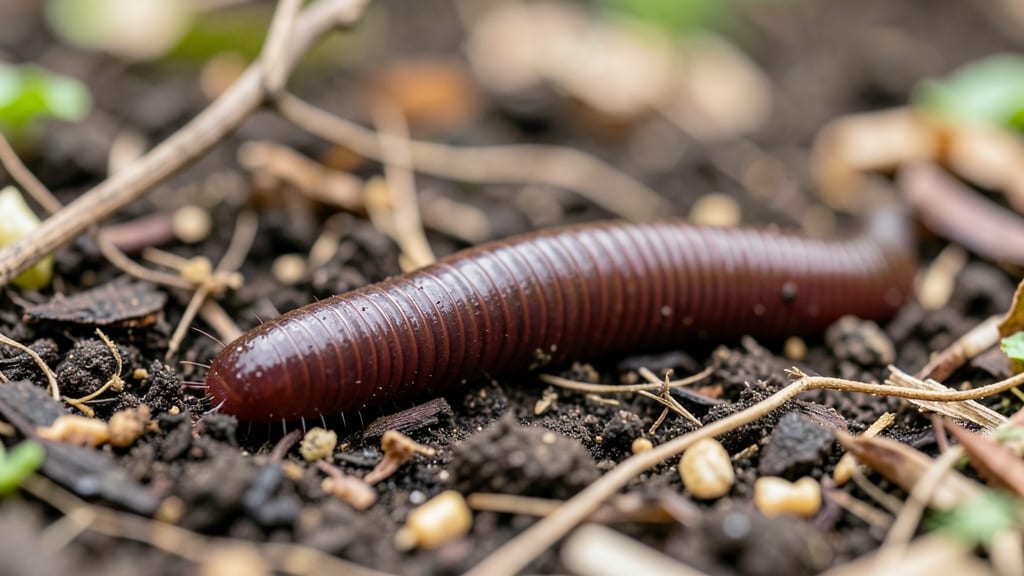
Putting worms in your garden is a great idea because they naturally enhance soil fertility by decomposing organic matter, improving drainage, and adding nutrient-rich castings. Red wigglers work best in compost bins or shaded garden beds with moist, organic-rich soil.
Worms act like tiny soil engineers, turning dead plant material into nutrient-packed castings that feed your garden. 🌱 These castings contain essential minerals and microbes that promote root growth and disease resistance. I've seen firsthand how gardens with active worm populations produce healthier plants with fewer pests.
Just ensure you provide them with a moist, shaded environment—too much sun or dryness will stress them out.
For best results, start with red wigglers (Eisenia fetida) if you're creating a compost bin, as they thrive in these conditions. Nightcrawlers (Lumbricus terrestris) are better suited for open garden beds where they can burrow deep.
Adding a layer of compost or leaf litter gives them the perfect food source and shelter.
💡 In This Article
- How Earthworms Boost Garden Soil Health
- Best Ways to Introduce Worms to Your Garden
How earthworms boost garden soil health
Earthworms act as nature's plow and fertilizer factory, transforming dead plant material into nutrient-rich castings through their digestive systems. These castings contain up to 5 times more nitrogen, phosphorus, and potassium than the original soil, along with beneficial microbes that help plants absorb nutrients more efficiently.
When worms tunnel through the soil, they create tiny air pockets that improve aeration by 30-50%, allowing roots to breathe better and preventing waterlogging. 🌱 The tunnels also act as drainage channels, reducing erosion and helping water penetrate deeper into the soil profile.
The magic happens in their gizzards, where worms grind up organic matter with the help of tiny stones they swallow. This mechanical breakdown increases the surface area of organic particles, making them more accessible to soil microbes that further decompose them.
Red wigglers (Eisenia fetida) are particularly effective in compost bins, where they can process their body weight in food daily, while nightcrawlers (Lumbricus terrestris) excel in open garden beds by creating deeper tunnels that reach down to 12-18 inches.
The difference lies in their burrowing habits—red wigglers stay near the surface, while nightcrawlers create vertical shafts that enhance deep soil structure.
Worms also play a crucial role in suppressing plant diseases by consuming harmful pathogens in the soil. Studies show gardens with active worm populations have 20-30% fewer fungal infections because worms consume fungal spores as they digest organic matter.
Their presence stimulates microbial diversity, creating a balanced ecosystem that outcompetes harmful organisms. However, their benefits depend entirely on creating the right conditions—too much sun, dryness, or chemical fertilizers can stress worms and reduce their effectiveness. 💫
One often overlooked benefit is how worms improve seed germination rates. Their castings contain growth-promoting hormones that stimulate root development, often resulting in 15-25% faster germination compared to soil without worm activity.
The castings also have a slightly alkaline pH (around 7.5), which helps neutralize acidic soils that many plants struggle with.
For example, blueberries—which thrive in acidic conditions—often see improved growth when worm castings are incorporated into the soil, as the castings provide a balanced nutrient profile without altering the soil's natural pH too drastically.
To maximize these benefits, aim for a worm population density of 1-2 worms per square foot in garden beds. You'll know you have an optimal population when you see fresh castings on the soil surface (they look like tiny coffee grounds) and small holes where worms have emerged.
The key is maintaining moisture levels between 60-80%—worms need a damp environment but will drown if submerged in standing water. Mulching with straw or leaf litter helps retain moisture while providing food and shelter for the worms.