
Watering
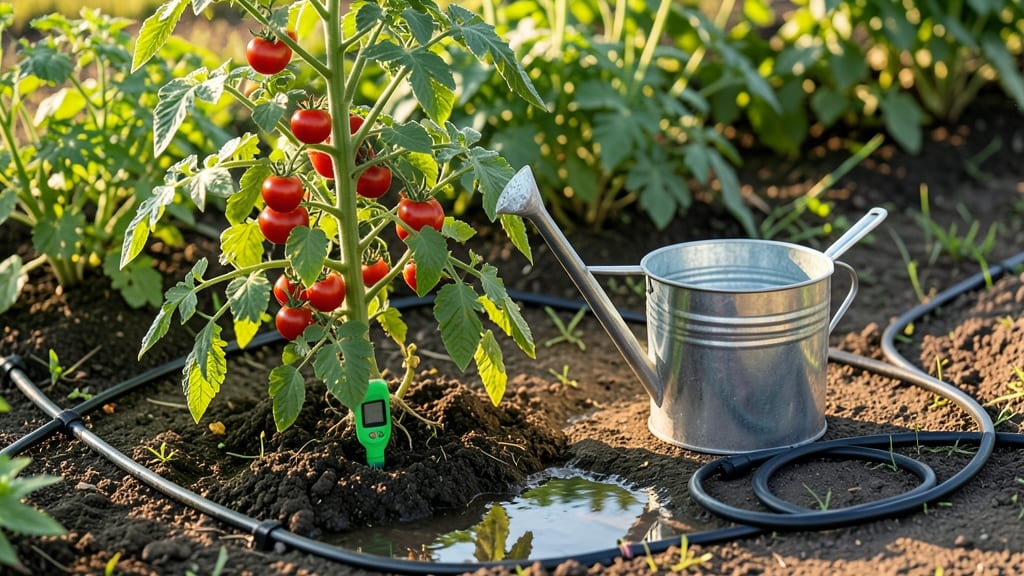
You shouldn't water your garden every day in hot weather, as this can harm plants by drowning roots, encouraging fungal growth, and wasting water. Instead, deep water 1-2 times weekly to promote strong root development and drought resistance.
Daily watering in hot weather actually stresses plants by preventing oxygen from reaching roots, which can lead to rot and disease. 💧 The key is to water deeply but less frequently—this encourages roots to grow deeper in search of moisture, making plants more resilient to heat and drought.
I've found that most gardens thrive with 1-2 inches of water per week, delivered in the early morning to minimize evaporation and fungal risks.
Different plants have different needs—succulents and drought-tolerant varieties like lavender or rosemary need far less water than leafy greens or flowering annuals. Always check soil moisture by sticking your finger 2 inches deep; if it's dry, that's your cue to water.
For established plants, a slow, deep soak is far more effective than light, frequent sprinkling.
💡 In This Article
- How Daily Watering Damages Plants in Hot Climates
- Optimal Watering Schedule for Hot-Weather Gardens
How daily watering damages plants in hot climates
When you water daily in hot weather, you're essentially suffocating your plants' roots. Soil contains tiny air pockets that roots need to breathe—just like we do. When soil stays saturated, these pockets fill with water, cutting off oxygen.
Roots deprived of oxygen can't absorb nutrients efficiently, leading to a condition called root rot, where roots turn mushy and black. This happens within 2-3 days of constant moisture, especially in heavy clay soils that drain poorly.
Shallow watering—like light sprinkles—only wets the top inch of soil, encouraging roots to stay near the surface where they're more vulnerable to heat and evaporation. 🌱 Deep watering, on the other hand, forces roots to grow downward in search of moisture, creating a stronger, more drought-resistant plant.
Studies show that plants with deeper root systems can access water from 3-4 feet underground, far beyond what surface watering reaches.
Overwatering also creates the perfect conditions for fungal diseases like powdery mildew or root rot. Fungi thrive in damp, warm environments, and daily watering keeps soil perpetually moist. You'll notice white, powdery patches on leaves or a foul smell near the base of plants—clear signs of fungal overgrowth.
Even "drought-tolerant" plants like cacti can develop rot if their roots sit in soggy soil for too long.
Another hidden consequence is soil erosion. Frequent watering loosens soil particles, making them more susceptible to wind or rain runoff. Over time, this washes away nutrients and beneficial microbes that help plants thrive.
The result? Nutrient-deficient soil that requires more fertilizer—and more water—to compensate. It's a vicious cycle that weakens plants long-term.
Consider this: a 1-inch-deep watering covers about 0.62 gallons per square foot. Daily watering means you're applying nearly 7 gallons per square foot weekly—far more than most gardens need.
Instead, focus on delivering 1-2 inches weekly, allowing excess water to drain away and soil to dry slightly between sessions. This mimics natural rainfall patterns and gives roots the breathing room they crave.
What most gardeners don't realize is that plants actually develop drought resistance when they experience periodic dryness. This stress triggers a natural survival mechanism where roots grow longer and thicker to seek out water. 💧 The key is balance: enough moisture to keep plants hydrated without drowning them.
Think of it like giving your plants a workout—they'll come back stronger.