
Tools
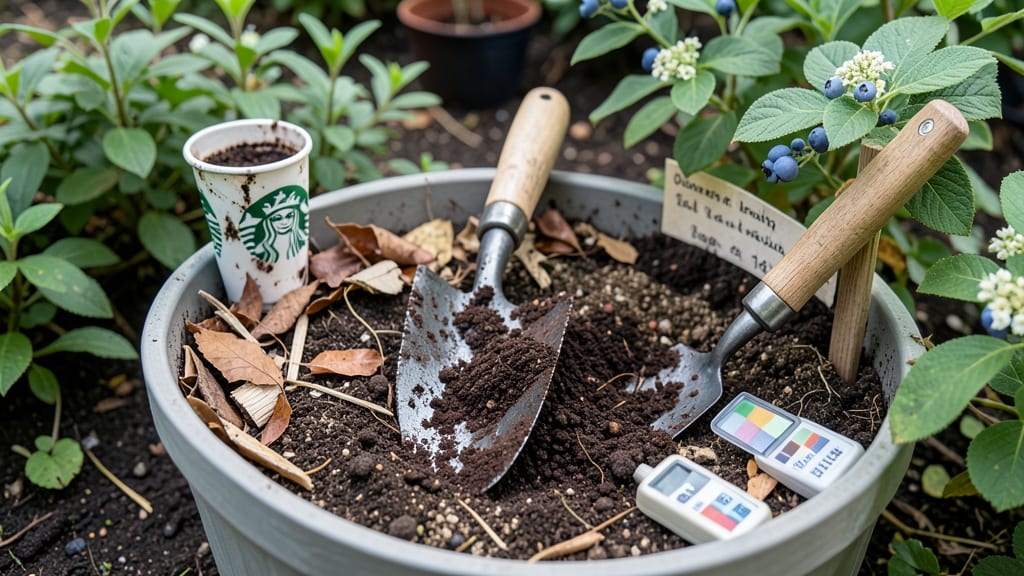
Using Starbucks coffee grounds in your garden boosts soil health by adding nitrogen and improving drainage, but you must compost or dry them first to prevent mold or pests. Balance is crucial—too much can alter pH levels and harm plant roots.
Starbucks coffee grounds are a gardener's secret weapon because they're packed with nitrogen, which acts like a natural fertilizer for leafy greens and flowering plants. 🌱 The key is moderation—sprinkle a thin layer around acid-loving plants like blueberries or hydrangeas, but avoid piling them near seedlings or delicate roots.
I've found that mixing them into compost piles first creates a richer soil amendment, while fresh grounds can attract pests if overused.
For best results, let the grounds dry completely before using them in your garden beds. You can also steep them in water for a nutrient-rich compost tea, perfect for foliar spraying or watering thirsty plants. Just remember: what works for tomatoes might overpower your lawn—always test small batches first!
💡 In This Article
- How Coffee Grounds Benefit Plant Health and Soil Structure
- Step-by-Step Guide to Safely Using Starbucks Coffee Grounds in Gardens
How coffee grounds benefit plant health and soil structure
Starbucks coffee grounds are essentially a nitrogen powerhouse—about 2% nitrogen by weight, which is roughly 10 times more than many commercial fertilizers. When these grounds decompose, they release nitrogen in a slow, steady manner that feeds beneficial soil microbes first.
These microbes then break down organic matter further, creating a nutrient-rich environment for your plants. Think of it like a slow-release fertilizer that improves soil structure over time rather than burning roots with quick chemical fixes.
The magic happens when you consider how coffee grounds improve soil aeration and water retention. Fresh grounds are coarse and granular, but as they break down, they create tiny air pockets that enhance drainage while holding moisture—ideal for plants like blueberries or azaleas that prefer slightly acidic, well-draining soil.
The organic matter also boosts the soil's cation exchange capacity (CEC), which means it can hold onto essential nutrients like potassium and phosphorus more effectively. For comparison, a typical garden soil has a CEC of 5-15 meq/100g, while amended soil with coffee grounds can reach up to 25 meq/100g.
Here's where the science gets interesting: coffee grounds lower soil pH slightly, making them perfect for acid-loving plants. A 1-inch layer of fresh grounds can reduce soil pH by about 0.5 units over time, which is ideal for plants like hydrangeas or rhododendrons that thrive in pH 4.5-5.5 ranges.
However, this same trait can be problematic for vegetables like tomatoes or peppers, which prefer neutral soil (pH 6.0-7.0). That's why testing your soil's pH before application is critical—you don't want to accidentally turn your vegetable garden into an acid bath.
What most gardeners don't realize is how coffee grounds attract beneficial fungi and bacteria that decompose organic matter. The grounds provide both food and habitat for these microbes, creating a thriving ecosystem that improves overall soil health. For example, mycorrhizal fungi—essential for plant root development—flourish in coffee-amended soil.
These fungi form symbiotic relationships with plant roots, helping them absorb water and nutrients more efficiently. The result? Healthier plants with stronger root systems that can better withstand drought or disease.
There's also the texture factor to consider. Fresh coffee grounds are coarse and gritty, which helps prevent soil compaction when used as a mulch. Over time, they break down into a fine, crumbly texture that improves soil tilth—similar to how compost does.
I've noticed that garden beds amended with coffee grounds stay looser and warmer longer, which is great for early spring planting. The dark color also helps absorb sunlight, warming the soil faster in cooler months.
Just be cautious with application rates—more than 20% of your soil volume can lead to compaction or fungal issues.
For those growing vegetables, the nitrogen boost is particularly valuable for leafy greens like lettuce or spinach, which require high nitrogen levels for lush growth. However, for fruiting plants like tomatoes or peppers, you'll want to balance the nitrogen with phosphorus and potassium.
A good rule of thumb is to mix coffee grounds with other compost materials (like grass clippings or leaf mold) to create a more balanced fertilizer. This approach mimics how nature recycles nutrients through decomposition cycles.