
Tools
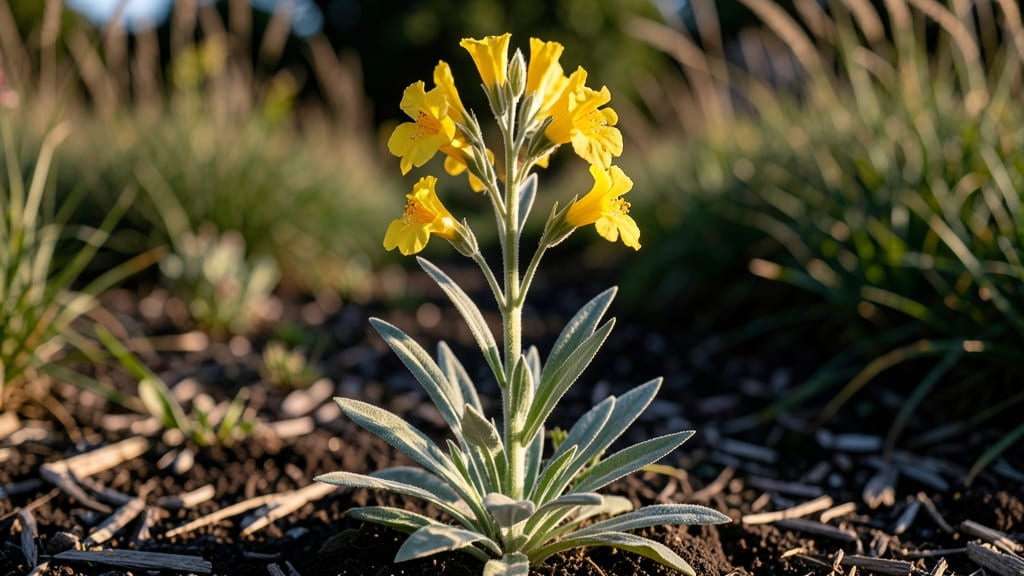
A Sunset Western Garden creates stunning landscapes using drought-resistant plants like California poppies, manzanita, and ceanothus, combined with Mediterranean herbs and succulents for vibrant colors and textures all year. Focus on well-draining soil, full sun exposure, and efficient watering to mimic the region's natural conditions while promoting wildfire resistance and seasonal blooms.
A Sunset Western Garden isn't just about aesthetics—it's about creating an ecosystem that thrives with minimal effort. 🌵 The key lies in selecting plants that naturally flourish in dry climates, like ceanothus (which attracts pollinators) and lavender (which deters pests).
These varieties don't just survive drought—they prosper with it, reducing your water bills while adding color and fragrance. The secret? Mimicking nature's own water conservation strategies through strategic mulching and grouping plants with similar needs together.
What makes this style truly special is its fire resistance. Many native plants, like manzanita, have evolved to withstand wildfire conditions, making your garden safer while maintaining its beauty.
Plus, the year-round interest from evergreen shrubs and seasonal bloomers ensures your outdoor space remains inviting regardless of the season. It's not just gardening—it's creating a sustainable, low-maintenance haven that works with nature, not against it.
💡 In This Article
- Key Plant Characteristics of Sunset Western Gardens
- Designing a Low-Maintenance Sunset Western Garden Layout
Key plant characteristics of sunset western gardens
Sunset Western Gardens rely on plants that have evolved to thrive in dry, sunny conditions with minimal water.
California poppies, for example, have deep taproots that can access groundwater up to 6 feet below the surface, allowing them to survive on as little as 1 inch of water per month once established.
Their waxy leaves reduce water loss through transpiration, a natural adaptation that mirrors how desert plants like cacti conserve moisture. 🌵
Manzanita shrubs take fire resilience to another level. Their thick, leathery leaves and reddish-brown bark contain oils that create a protective barrier against flames, while their ability to resprout from roots after fires makes them incredibly hardy.
Ceanothus, another staple, forms nitrogen-fixing relationships with soil bacteria, enriching the soil for neighboring plants while requiring only 50% of the water that traditional garden plants need. These adaptations mean your garden stays vibrant even during droughts or heatwaves.
The soil in these gardens typically has a slightly alkaline pH (6.5-7.5), which many native plants prefer. For instance, lavender thrives in this range and releases aromatic oils that naturally repel pests, reducing the need for chemical interventions.
Succulents like sedum and agave store water in their leaves, allowing them to go weeks without rainfall while adding striking textures and colors. The combination of these plants creates a self-sustaining ecosystem that mirrors the natural landscapes of the American West.
Sunlight needs are another critical factor. Most Sunset Western Garden plants require full sun (6-8 hours daily), but some like ceanothus can tolerate partial shade, especially in hotter inland regions. The key is to group plants with similar light requirements together to prevent competition.
For example, pairing California poppies with rosemary (which also loves sun) ensures both get the conditions they need to flourish without overcrowding.
Pollinators are a major benefit of these gardens. Plants like ceanothus and manzanita produce nectar-rich flowers that attract bees, butterflies, and hummingbirds, supporting local ecosystems while adding life to your space.
The flowers often bloom in late spring to early summer, providing a critical food source when other plants may be dormant. This seasonal timing ensures your garden remains a vibrant hub of activity year-round. 🐝
One often-overlooked feature is the fragrance these plants provide. Lavender, for instance, releases its signature scent in the evening, creating a calming atmosphere perfect for sunset viewing. The combination of visual beauty, sensory richness, and ecological benefits makes Sunset Western Gardens a standout choice for sustainable landscaping.