
Vegetables
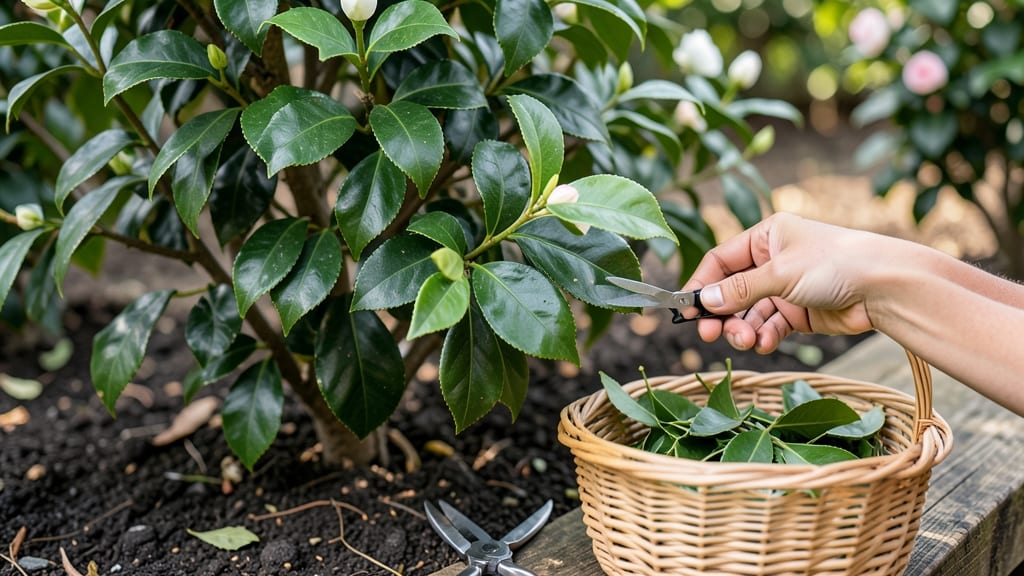
Using tea leaves in the garden improves soil fertility and deters pests like slugs and aphids by releasing tannins and nitrogen as they decompose. Dry leaves can be composted or scattered directly around plants for organic mulch.
Tea leaves work like a natural fertilizer because their caffeine and tannins act as mild pesticides while breaking down to release nutrients. 🌱 For best results, I recommend using dried black tea leaves—they’re stronger and last longer in the soil than fresh ones.
You can sprinkle them around the base of plants like tomatoes or peppers, or mix them into compost piles for extra nutrient boost. Just avoid overdoing it, as too much can make the soil acidic over time.
What’s great is that tea leaves help with more than just pests—they also improve soil structure by encouraging beneficial microbes. I’ve noticed my herb garden thrives when I use them as mulch, especially basil and mint, which seem to repel unwanted insects naturally.
The key is consistency: a light layer every few weeks keeps the soil healthy without overwhelming your plants.
💡 In This Article
- How Tea Leaves Boost Soil and Repel Garden Pests
- Best Ways to Use Tea Leaves in Your Garden
How tea leaves boost soil and repel garden pests
The real magic happens when tea leaves decompose in the soil. They contain tannins and caffeine, both natural compounds that act as mild pesticides.
Tannins create a bitter taste that deters slugs, aphids, and other soft-bodied pests, while caffeine disrupts the nervous systems of insects like ants and spider mites. When leaves break down, they release nitrogen (about 2-3% by weight in dried black tea), which feeds soil microbes and promotes healthier plant growth.
Beyond pest control, tea leaves improve soil structure by enhancing moisture retention. The fibrous texture creates tiny air pockets that help water penetrate deeper, reducing evaporation. Studies show that organic amendments like tea leaves can increase soil's water-holding capacity by up to 15-20%.
The caffeine also acts as a natural fungicide, suppressing harmful pathogens like powdery mildew while encouraging beneficial fungi and bacteria. 🌱 This dual action makes tea leaves a powerhouse for both soil health and pest prevention.
What most gardeners don't realize is how the pH balance shifts with tea leaves. While they're slightly acidic (pH 5.5-6.5 when fresh), their decomposition neutralizes this effect over time.
The key is moderation—using 1-2 cups of dried leaves per 10 square feet every 4-6 weeks maintains this balance without making soil too acidic for most plants. For acid-loving plants like blueberries or azaleas, you can use them more frequently.
Let's talk about the science of decomposition. When tea leaves break down, they form a process called "humification," where complex organic matter transforms into stable humus. This humus binds nutrients, making them more available to plant roots.
The nitrogen released during decomposition also stimulates microbial activity, creating a thriving ecosystem that naturally suppresses pests. For example, earthworms are drawn to tea leaf-enriched soil, and their tunneling further aerates the ground.
One surprising benefit is the aroma. The volatile compounds in tea leaves repel pests through scent alone. When you sprinkle them around plants, the earthy, slightly bitter smell confuses insects that rely on plant odors to find hosts.
This is why tea leaves work so well near tomatoes, peppers, and herbs—these plants are particularly vulnerable to aphids and caterpillars. The combination of scent, taste, and soil enrichment makes tea leaves one of nature's most versatile garden helpers. 💫
For maximum effectiveness, use dried black tea leaves (green or herbal teas have different chemical profiles). The drying process concentrates the beneficial compounds, making them more potent. Fresh tea leaves can work too, but they'll decompose faster and may attract pests if not used immediately.
Always let them dry completely before applying to prevent mold growth.