
Tools
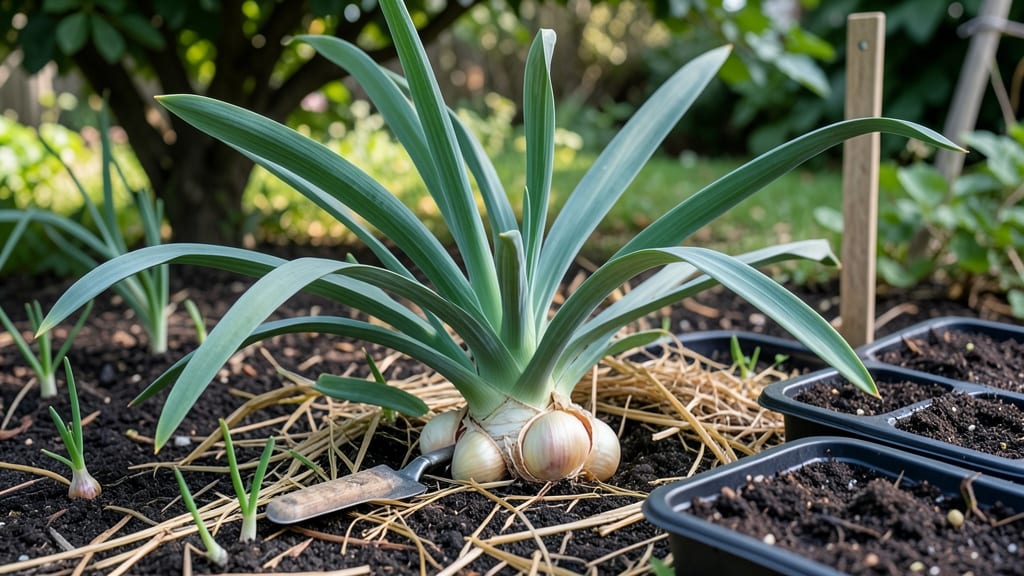
The Clove Garden Menu transforms seasonal harvests into aromatic dishes by blending homegrown herbs, vegetables, and spices—think clove-spiced stews, citrus-marinated proteins, and vibrant garden salads—all designed to showcase peak flavors when they're freshest. This approach prioritizes organic, locally grown ingredients to create meals bursting with natural depth and complexity.
The Clove Garden Menu isn't just about food—it's a celebration of how seasonal ingredients transform dishes when grown right. 🌿 Clove-infused recipes, for example, develop richer warmth when paired with summer tomatoes or winter squash, while citrus pairings brighten heavier flavors.
The menu's magic lies in its adaptability: when cloves aren't at peak, other aromatic spices like cinnamon or star anise step in to maintain that signature boldness. This system turns gardening into a culinary rhythm, where every harvest becomes a new chapter in your flavor story.
What makes this approach special is how it connects growing conditions to taste outcomes. The garden's soil and sunlight levels aren't just background details—they directly influence which herbs thrive and when, which determines your menu's seasonal flow.
For instance, cloves grow best in warm climates with well-draining soil, while citrus companions like lemongrass need slightly different care. This thoughtful planning ensures your dishes always reflect what's truly fresh and vibrant from your garden.
💡 In This Article
- Seasonal Ingredients That Define Clove Garden Dishes
- Menu Planning for a Clove-Focused Herb Garden
Seasonal ingredients that define Clove garden dishes
The Clove Garden Menu thrives on ingredients that harmonize with the garden's natural cycles. Cloves themselves, with their warm, sweet aroma, peak in late summer when temperatures average 75-85°F and humidity remains moderate.
This timing aligns with other heat-loving plants like tomatoes and peppers, which develop their sweetest flavors when grown alongside cloves.
The science behind this synergy lies in how cloves release their volatile oils most intensely when paired with slightly acidic or citrusy ingredients—like summer tomatoes or winter oranges—creating a flavor bridge that enhances both components.
Citrus companions play a crucial role too. Lemons and limes, which thrive in the same climate as cloves, add brightness that cuts through the spice's richness.
Their peak harvest occurs in late fall, when their acidity naturally intensifies due to cooler nights and longer daylight exposure. 🌞 This seasonal contrast is why Clove Garden dishes often feature citrus-infused marinades for grilled meats or clove-spiced citrus desserts.
The garden's soil composition—rich in organic matter with a slightly acidic pH (6.0-6.5)—further amplifies these flavors by preventing bitterness in both herbs and citrus.
Companion planting creates another layer of flavor complexity. Basil, for example, grows exceptionally well near cloves and releases compounds that enhance clove's aromatic oils when crushed together.
This is why many Clove Garden salads combine fresh basil, clove-infused olive oil, and ripe tomatoes—the trio creates a flavor synergy that's greater than the sum of its parts. The garden's layout often follows this principle, with cloves planted near compatible herbs to maximize both yield and taste impact.
Understanding these seasonal patterns allows you to plan dishes that truly shine. When cloves are freshest (late summer), they pair beautifully with summer vegetables like zucchini or eggplant in stir-fries. In winter, dried cloves take center stage in slow-cooked stews with root vegetables.
The key is matching the ingredient's peak flavor window with the right cooking technique—whether that's quick high-heat searing for summer dishes or long, gentle simmering for winter recipes.
Storage techniques also preserve these seasonal flavors. Fresh cloves can be dried and stored in airtight containers for up to 6 months, while citrus should be kept at 50-55°F to maintain their peak acidity.
This preservation strategy ensures your Clove Garden Menu remains vibrant even when fresh ingredients aren't available. The result is a culinary experience that evolves with the seasons while maintaining consistent depth of flavor throughout the year.
What most gardeners don't realize is how sunlight exposure affects clove flavor development. Plants receiving 6-8 hours of direct sunlight produce cloves with more complex aromatic profiles than those in partial shade.
This is why southern exposures yield the most flavorful cloves, and why many Clove Garden chefs prioritize south-facing garden beds for their most aromatic crops. The sunlight not only boosts flavor but also influences the plant's natural pest resistance, reducing the need for chemical interventions.