
Tools
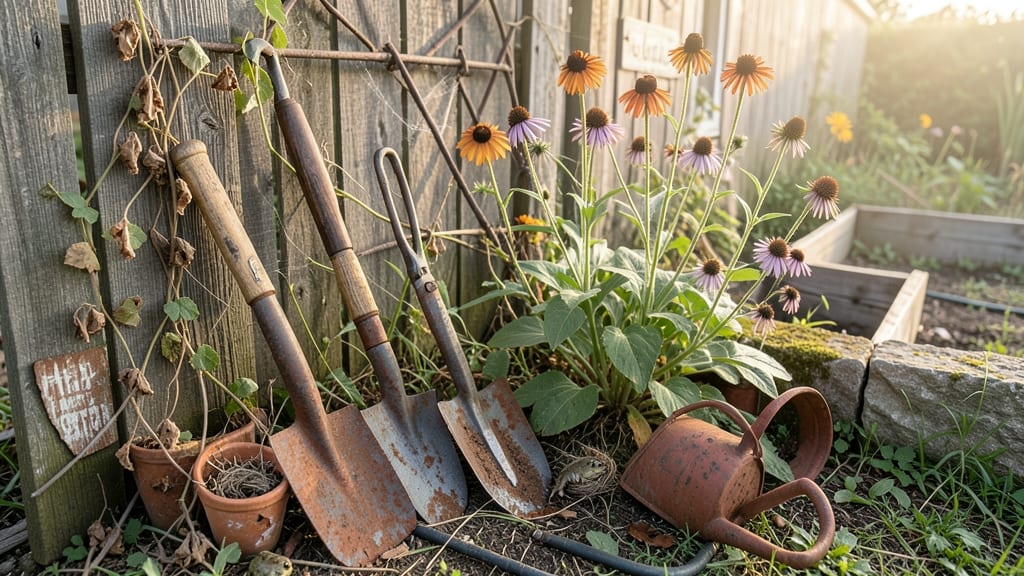
To save seeds from The Rusted Garden, you must dry them completely, store them in sealed containers with silica gel, and keep temperatures below 40°F to maintain viability for 1-5 years. Controlling moisture and light exposure prevents mold and preserves germination rates.
Preserving seeds from The Rusted Garden's heirloom varieties demands precision—each step impacts long-term success. 🌱 The drying process halts enzymatic activity that could degrade seed quality, while silica gel absorbs residual moisture that accelerates spoilage.
For optimal results, I recommend using glass jars with tight-sealing lids, as they resist humidity better than plastic over time. Labeling each container with the seed type and harvest date ensures you track viability, since some varieties remain potent for just a year while others last a decade.
Temperature control is equally critical: fluctuations above 40°F trigger metabolic processes that deplete stored energy reserves. A dedicated seed storage fridge or cool basement works best, but avoid refrigerators with high humidity or temperature swings.
For extra protection, consider adding a small packet of uncooked rice alongside silica gel—it acts as a secondary moisture buffer during storage.
💡 In This Article
- Optimal Seed Drying and Moisture Control for Long-Term Viability
- Best Containers and Climate Conditions for Seed Storage
Optimal seed drying and moisture control for long-term viability
Seed drying isn't just about letting them sit—it's a biological process where you carefully reduce moisture to halt enzymatic activity. Seeds contain enzymes that break down proteins and fats when moisture levels exceed 10%, accelerating decay.
For The Rusted Garden's heirloom varieties, the ideal drying threshold is 5-7% moisture content, which prevents fungal growth while preserving viability. Think of it like dehydrating fruit: too much moisture creates a mold-friendly environment, while too little can make seeds brittle and nonviable.
Different seed types require tailored drying approaches. Large seeds like beans or peas dry faster—typically within 3-5 days in a well-ventilated area—while delicate flowers or tiny seeds may need 10-14 days.
Spread seeds on a breathable surface like a mesh screen or paper towel, stirring them daily to ensure even airflow. A dehumidifier or fan can help maintain consistent drying conditions, especially in humid climates where moisture lingers.
Never use direct sunlight, as UV rays can degrade seed quality and reduce germination rates.
The drying process also affects seed texture and aroma. Properly dried seeds develop a papery, crisp exterior that protects the inner embryo, while under-dried seeds feel damp and sticky to the touch. 🌾 Over-drying, however, makes seeds too hard—they may crack when planted.
Test readiness by gently squeezing a seed; it should feel dry but not brittle. For extra protection, I recommend a short "curing" period of 24 hours in a sealed container with a small silica gel packet to absorb any lingering moisture.
Moisture control doesn't end with drying. Even after seeds are dry, humidity becomes the silent enemy. A single gram of water per kilogram of seeds can reduce viability by 50% over five years. This is why silica gel packets are non-negotiable—they maintain relative humidity below 30% inside containers.
For comparison, a typical household has 40-60% humidity, creating a hostile environment for long-term seed storage. The key is creating a microenvironment where seeds remain in a state of suspended animation, conserving their energy reserves for future germination.
Seasonal variations also play a role. Seeds harvested in damp autumn months may require 2-3 extra days of drying compared to summer-harvested seeds. Pay attention to local weather patterns—if your area experiences sudden rain after harvest, extend drying times by 50% to compensate.
The goal is consistency: seeds dried too quickly in warm conditions may not reach their optimal moisture threshold, while those dried too slowly risk mold or bacterial growth.
What most gardeners overlook is the role of ethylene gas—a natural plant hormone that accelerates aging in stored seeds. To minimize its impact, avoid storing seeds near fruits or vegetables that release ethylene (like apples or tomatoes).
Instead, opt for a dedicated seed storage area with controlled airflow. This simple adjustment can extend seed life by 1-2 years, making the difference between a viable crop and wasted effort.