
Tools
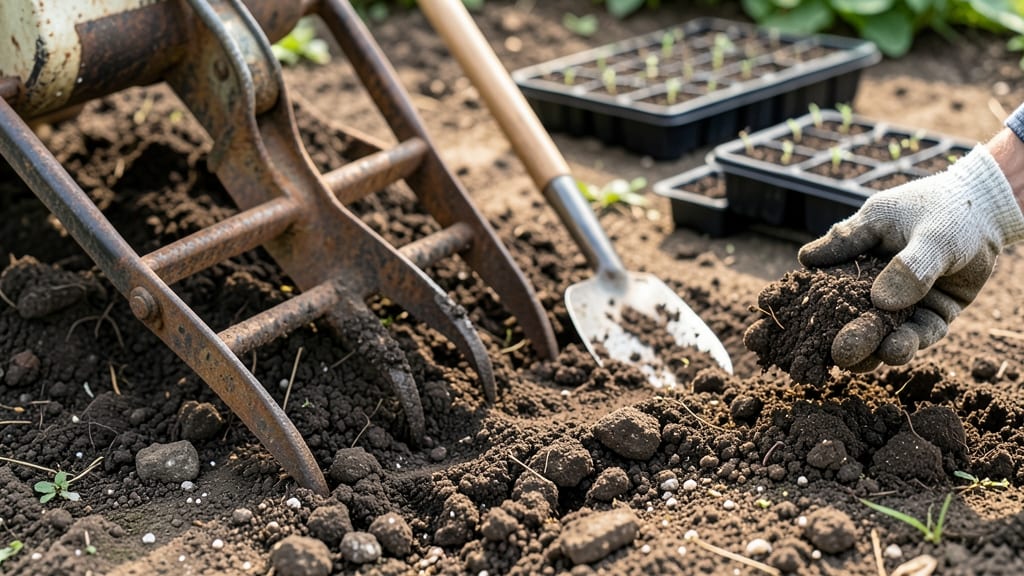
Understanding "till the garden meaning" for peas means harvesting when pods reach 2-3 inches in length, remain firm, and show early swelling—this ensures maximum sweetness and tender texture before seeds overdevelop.
Timing is everything when it comes to pea harvesting, as pods transform dramatically from tender to fibrous within days. 🌱 The sweetness peaks when sugar content is highest, just before seeds fully develop—this is why gardeners often check plants every 2-3 days during peak season.
I've found that using clean pruning shears prevents damaging the plant while making harvests faster, especially when dealing with bush varieties that produce pods simultaneously. Once you miss this window, pods toughen and lose their delicate flavor, making even the most patient gardener wish they'd acted sooner.
What many don't realize is that pea pods continue maturing even after they're picked—this is why storing them in the fridge for up to 5 days can actually improve their flavor as starches convert to sugars.
The key is consistency: harvesting regularly encourages plants to produce more pods, extending your harvest window by several weeks. For snap peas specifically, I recommend picking when pods are about the diameter of your thumb—this simple visual cue works better than measuring every time.
💡 In This Article
- Why Timing Matters in Pea Pod Harvesting
- Step-by-Step Guide to Harvesting Peas at Peak Ripeness
Why timing matters in pea pod harvesting
The "till the garden" phrase captures the critical moment when pea pods shift from sweet and tender to fibrous and bitter. This transformation happens because of a natural process called starch-to-sugar conversion, which peaks when pods are 2-3 inches long.
At this stage, the pod walls contain the highest concentration of soluble sugars (about 5-7% of their weight), giving them that signature sweetness. 🌱 What most gardeners don't realize is that this sugar rush is temporary—once seeds inside reach about 1/4 inch in diameter, the plant redirects its energy toward seed development, causing the pod walls to thicken and sugars to convert into starches, which are less sweet and more complex.
The pod's texture also changes dramatically during this window. When harvested at the right time, pea pods have a crisp yet delicate snap—almost like a cross between a cucumber and a green bean. This is because the pod's cell structure remains hydrated and flexible.
However, if you wait just 2-3 days past this point, the pods develop a fibrous texture due to lignin buildup (a natural polymer that strengthens plant cell walls).
For example, sugar snap peas left on the vine too long can become as tough as shoelaces, while snow peas develop a woody core. The key is to harvest when pods feel firm but yield slightly when gently squeezed—a telltale sign of optimal ripeness.
Seed development plays a crucial role too. Inside each pod, peas start as tiny embryos that gradually expand as they absorb nutrients from the plant. When seeds are small (about the size of a grain of rice), the pod's flavor is at its peak.
But once seeds reach 1/4 to 1/2 inch in diameter, the pod's purpose shifts from flavor to reproduction, and the texture becomes less desirable.
This is why experienced gardeners often say, "Harvest peas when they're the size of your thumb"—it's a simple visual cue that aligns perfectly with the botanical sweet spot. 🌟
Temperature and variety also influence this timing. Cooler climates (like those in the Pacific Northwest) often result in slower maturation, giving gardeners a slightly longer window to harvest. Meanwhile, heat-loving varieties (such as 'Sugar Sprint') mature faster in warmer regions (like the Southeast), requiring more frequent checks.
For instance, in 70°F conditions, sugar snap peas might be ready in just 55-60 days, while in 60°F conditions, they could take 65-70 days. This variability is why gardeners in different zones often adjust their harvesting schedules by a week or more.
What happens if you miss this window? Overripe pods not only lose sweetness but also develop a bitter, almost grassy flavor due to the accumulation of alkaloids (natural compounds that act as a defense mechanism against pests).
The pods also become stringy and tough, making them less enjoyable to eat. For example, a pod that's left on the vine for a week past its prime might require 15-20 minutes of boiling just to soften it—far from the quick 3-5 minutes needed for freshly harvested pods.
This is why regular harvesting isn't just about flavor; it's also about preserving the plant's energy for future production.