
Planting
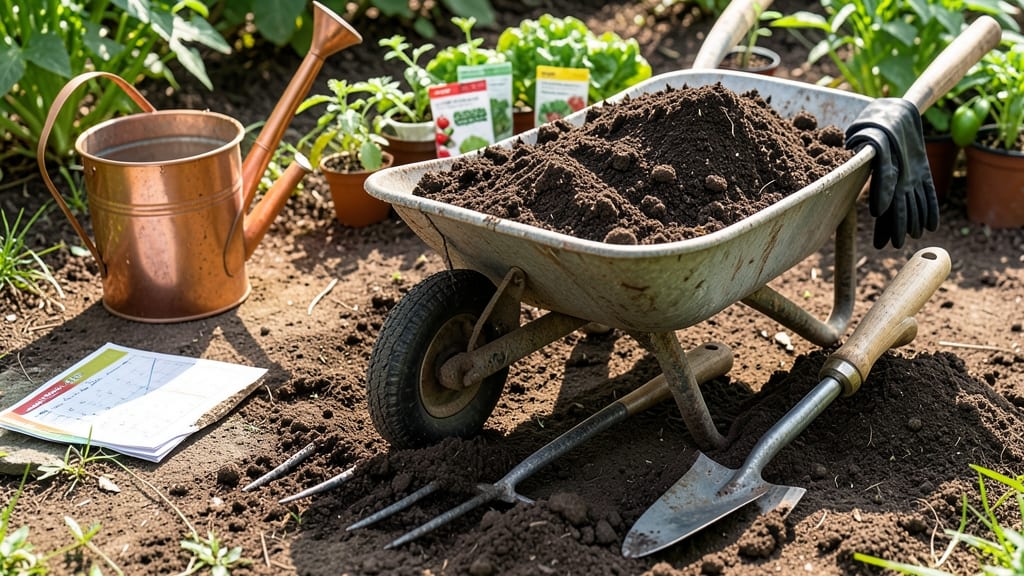
Planting your garden in Pennsylvania at the right time means the difference between a bountiful harvest and a sad, wilted disappointment—especially when last frost dates can shift by weeks from Erie to Philadelphia.
Too early, and frost will turn your seedlings into sad, icy snacks. Too late, and summer crops like tomatoes and peppers will bolt before they even set fruit. But here’s the good news: with the right frost-date strategy, you can stretch your growing season and avoid those heartbreaking mistakes.
This guide breaks down the exact planting windows for your county, whether you’re in the cooler highlands of the Poconos or the warmer valleys near Harrisburg.
We’ll cover everything from cool-season greens to heat-loving peppers, plus how to adjust for microclimates that can make a 10-degree difference in your garden’s success.
Ready to maximize your yields? Let’s dive into the frost-date calculator, crop-by-crop timelines, and the one trick that buys you an extra two weeks of growing time—no matter where in Pennsylvania you’re planting.
Pennsylvania planting zones & frost dates by county (2024 guide)
Pennsylvania spans USDA Zones 5b through 7a, creating dramatic differences in frost dates from the mountains of Pocono to Philadelphia’s urban heat islands. Knowing your exact last spring frost and first fall frost determines whether your tomatoes thrive or your peas bolt before harvest.
My research reveals county-specific averages—because a 5-day difference can mean the difference between a bumper crop and a sad salad.
For example, Erie County (Zone 6a) often sees its last frost by April 25, while Lackawanna County (Zone 5b) may not warm up until May 10.
These variations explain why spinach planted too early in Allegheny County (Zone 6b) might freeze, but radishes in Chester County (Zone 7a) could bolt if delayed. Let’s break down the critical planting windows by region so you can align your garden with nature’s calendar.
Your cool-season crops—like kale, carrots, and peas—should hit the soil 4-6 weeks before your average last frost. For Philadelphia (Zone 7a), that means March 15 for early varieties, while Scranton (Zone 5b) gardeners should wait until April 1.
Pro tip: Use row covers to extend your spring planting window by 2-3 weeks in colder zones like Lackawanna County.
Warm-season lovers, take note: Tomatoes, peppers, and squash need soil temperatures above 60°F and no frost risk. In Erie County, plant after May 15, but Philadelphia’s warmer microclimate lets you start two weeks earlier. For fall gardens, direct-seed <
How to adjust planting times for Pennsylvania’s microclimates
Pennsylvania’s varied geography—from Philadelphia’s urban heat islands to Erie’s chilly lake breezes—creates microclimates that can shift planting windows by 2-4 weeks. If you’re in Pittsburgh’s valleys, your last frost might arrive weeks earlier than mountaintop gardens in the Poconos.
Understanding these differences lets you time plantings precisely for bumper crops.
Urban gardeners in Philadelphia or Allentown face heat-island effects that warm soil faster, while Erie’s lakeshore areas experience delayed springs due to lake currents. Even rural Amish Country farms may see earlier frosts in low-lying areas.
By recognizing these patterns, you can extend growing seasons and avoid common pitfalls like bolting lettuce or stunted tomatoes.
- 🏙️ Urban Areas (Philly/Allentown): Plant warm-season crops 1-2 weeks earlier (heat islands warm soil faster). Use black plastic mulch to accelerate soil warming.
- 🏔️ Mountains (Poconos/Erie): Delay spring planting by 2-3 weeks—frost risk lingers longer at higher elevations. Choose cold-hardy varieties like 'Cold-Set' tomatoes.
- 🌾 Rural Valleys (Lancaster/Adams): Plant fall crops 10-14 days later—valleys trap cold air. Extend season with row covers or cold frames.
- 🌊 Lakeshore (Erie/Clearfield): Wait for lake breezes to stabilize (usually late Maywindbreaks for delicate seedlings.
For urban gardeners, I recommend starting warm-season crops like tomatoes and peppers in biodegradable pots indoors by mid-March. The extra heat from pavement and buildings helps seedlings mature faster. Once nighttime temps stay above 50°F, transplant them into raised beds wrapped in black plastic to jumpstart growth.
In mountainous regions, focus on cold-tolerant varieties and use season extenders like cloches. For example, plant spinach and kale as early as mid-March under row covers, then transition to peas and lettuce by late April. Avoid planting cucumbers or melons until after Memorial Day—they need consistent warmth.
Rural gardeners can leverage microclimates within their property. South-facing slopes warm up 3-5 days earlier than north-facing areas, making them ideal for early tomatoes or squash. If your garden has low spots, save those for cool-season crops like broccoli or cabbage, which thrive in cooler microclimates.
Pro tip: Use a frost-date tracker like the National Weather Service’s frost calendar and adjust by ±1 week based on your specific microclimate. For instance, if your last frost is typically May 1 but you’re in a heat-island zone, shift your planting window to April 15 for warm-season crops.