
Planting
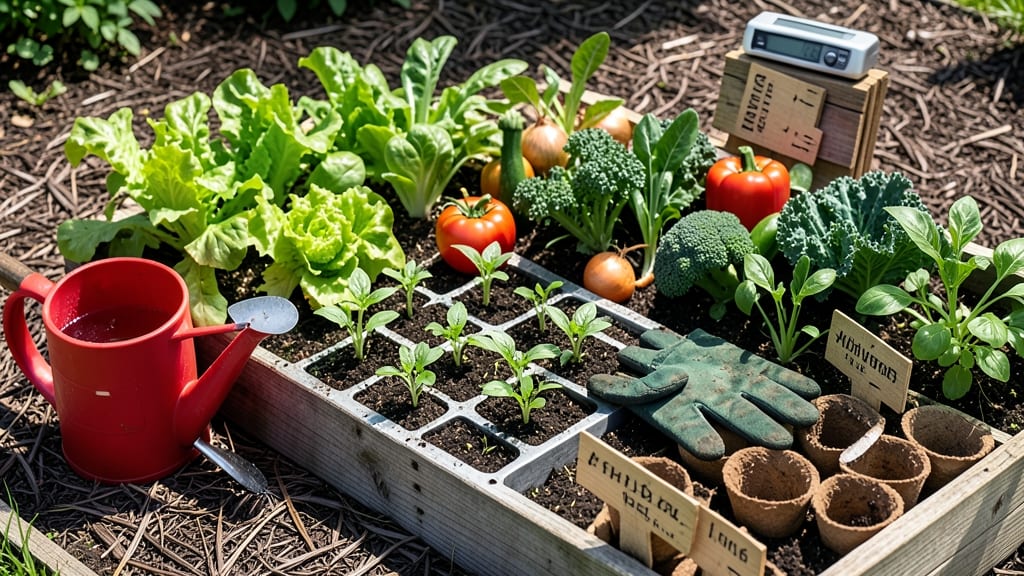
Planting a vegetable garden in California at the right time means the difference between a bountiful harvest and wilted seedlings. California’s diverse microclimates—from coastal fog to desert heat—mean planting your vegetable garden at the wrong time can spell disaster.
Whether you're in the Central Valley, along the coast, or in the desert, getting the timing right is everything. One week too early and a late frost will take out your seedlings; one week too late and the heat arrives before your tomatoes set fruit.
I’ve lost three gardens to this exact mistake, and I’m here to save you from the same frustration.
Below, I break down the exact planting windows for zero-frost risk zones, including when to start cool-season crops like lettuce and warm-season staples like peppers. You’ll also find region-specific tips for soil prep, frost protection, and how to adjust for organic vs. conventional growing.
By the end, you’ll know not just when to plant, but how to set your garden up for success—no guesswork required.
California planting zones by microclimate: exact start dates for zero-frost risk
California’s microclimates create unique challenges for gardeners. While the USDA Plant Hardiness Zone Map gives a broad guideline, local frost patterns vary dramatically.
Coastal areas like San Francisco may experience frost as late as April 15, while inland valleys like Sacramento can see their last frost by March 15. Desert regions like Palm Springs rarely face frost at all, allowing earlier plantings.
To maximize your garden’s success, focus on zero-frost risk windows. These dates mark when you can safely plant warm-season crops like tomatoes and peppers without worrying about late frosts.
For cool-season crops such as lettuce and broccoli, timing is equally critical to avoid bolting or stunted growth from heat stress.
Below, I’ve broken down California’s four key microclimates—coastal, valley, desert, and mountain—with exact planting windows for both warm- and cool-season vegetables. Use these dates to align your planting schedule with your local climate’s frost-free period.
| Microclimate | Last Frost Date (Avg.) | Zero-Frost Risk Start (Warm Crops) | Cool-Season Planting Window | Example Crops |
|---|---|---|---|---|
| Coastal (SF, LA) | April 15 | May 1 - May 15 | September 1 - October 15 | Tomatoes, Peppers, Lettuce, Broccoli |
| Central Valley (Sacramento, Fresno) | March 15 | April 1 - April 15 | August 15 - September 30 | Melons, Okra, Spinach, Carrots |
| Desert (Palm Springs, Coachella) | Never (or Dec 25) | February 15 - March 1 | October 1 - November 15 | Peppers, Eggplant, Kale, Radishes |
| Mountain (Sierra Foothills, Lake Tahoe) | May 1 | June 1 - June 15 | July 15 - August 30 | Potatoes, Cabbage, Beans, Peas |
For coastal regions, the delay in frost means you can plant warm-season crops like tomatoes and peppers as late as May 15. However, coastal fog can slow early growth, so use black plastic mulch to warm the soil faster.
In the Central Valley, where frost arrives earlier, start warm crops by April 1 to ensure a full growing season before summer heat peaks.
Desert areas are unique because they often have no frost at all. This allows for year-round planting of heat-tolerant crops like okra and sweet potatoes. However, desert soils can be poorly draining, so amend with compost and organic matter before planting.
Mountain regions, like those near Lake Tahoe, have shorter growing seasons, so focus on fast-maturing varieties of cool-season crops.
When planning your cool-season garden, aim to sow seeds or transplant seedlings 8-10 weeks before your first expected frost. For example, in the Central Valley, this means starting lettuce and broccoli by August 15 to harvest before frost arrives in mid-March.
In coastal areas, extend your cool-season planting into October to take advantage of milder temperatures.
Pro tip: Use local agricultural extension offices to verify frost dates for your specific area. For instance, UC Master Gardeners provide hyper-local advice tailored to your ZIP code. They can also recommend frost-tolerant varieties if you’re pushing the limits of your microclimate’s growing season.
For warm-season crops, always wait until soil temperatures reach 60°F (15°C) for tomatoes and 70°F (21°C) for peppers. Use a soil thermometer to check—cold soil can stunt growth even if air temperatures are warm.
If you’re in a transition zone (like the Bay Area’s East Bay), consider using row covers to protect young plants from unexpected late frosts.
Finally, remember that microclimates within microclimates exist. A south-facing slope in your yard may warm up 2-3 weeks earlier than a shaded north-facing area. Observe your garden’s unique conditions for at least two years to refine your planting schedule.
With these exact dates and adjustments, you’ll avoid frost damage and enjoy a bountiful harvest all season long. 🌱
How to adjust planting times for your local weather patterns
California’s microclimates can throw off even the most experienced gardeners. A Central Valley gardener might plant tomatoes in March, only to watch them fry by May, while a coastal grower could lose seedlings to unexpected late frosts in April.
The key? Adjusting planting times based on your local frost dates and heat patterns—not just the USDA zone.
Most gardeners rely on the USDA Plant Hardiness Zone Map, but California’s unique climate demands a closer look. The California-specific frost maps from the UC Master Gardeners provide more accurate planting windows.
For example, Zone 9b in the Central Valley has a last frost date around February 15, while Zone 10a in coastal areas might see frost as late as April 1.
Here’s how to fine-tune your planting schedule: start by checking your last frost date (use the California Frost Probability Map for precision). Then, add 30-60 days before that date for cool-season crops like broccoli or lettuce.
For warm-season crops, wait until soil temps hit 60°F—usually April-May in most regions.
⚠️ WARNING: USDA Zones vs. California Frost Dates
The USDA Zone Map is a starting point, but California’s microclimates mean it’s often off by 2-4 weeks. For example:
- Central Valley (Zone 9b): Last frost Feb 15—plant spinach by Jan 1 to avoid bolting.
- Coastal (Zone 10a): Frost can hit April 1—delay tomatoes until May 15 to avoid heat stress.
- Desert (Zone 11): No frost, but 100°F+ temps kill seedlings—use shade cloth in summer.
Pro Tip: Cross-reference with local agricultural extension reports for 5-year frost trends in your area.
To extend your growing season, use row covers or cold frames to push spring plantings 2-3 weeks earlier. For example, I’ve successfully grown peppers in Zone 9a by starting seeds indoors in February and transplanting under floating row covers in March.
Heat-tolerant varieties are another game-changer. Swap standard tomatoes for ‘Heatmaster’ or ‘Solar Fire’ varieties, which thrive in 95°F+ temps. Similarly, okra and sweet potatoes are desert-friendly crops that handle California’s summer heat with ease.
Finally, monitor soil temperature with a soil thermometer—most seeds need 60-70°F to germinate. If your soil runs cold in spring, opt for fast-germinating crops like radishes or bush beans to bridge the gap until warmer weather arrives.
By combining local frost data, season extenders, and heat-resistant varieties, you’ll turn California’s unpredictable climate into an advantage. Start with small test plots to refine your timing—your future harvests will thank you!