
Companion Plants
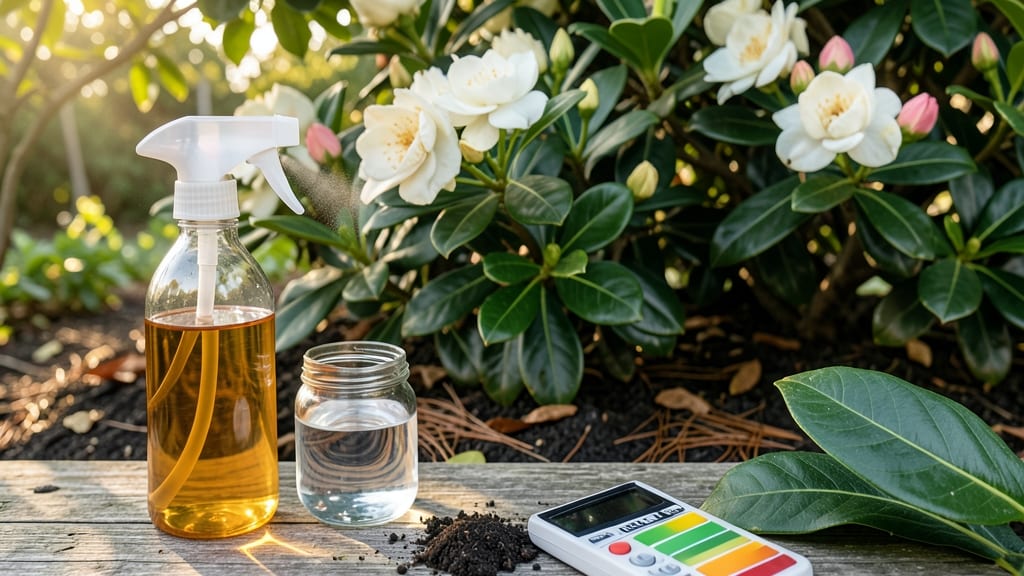
Vinegar for gardenias can restore yellow leaves by correcting soil pH imbalances and deter fungal diseases like powdery mildew, but must be diluted properly to avoid damaging roots or foliage. A 1:1 water-to-vinegar mix applied as a foliar spray or soil drench works best for mild issues.
Gardenias often develop yellow leaves when the soil becomes too alkaline, disrupting nutrient uptake. 🌿 The acetic acid in vinegar gently lowers pH, creating the ideal acidic environment (4.5–6.0) that gardenias thrive in.
However, undiluted vinegar can burn foliage, so always mix it with water and test a small area first. I've seen dramatic improvements in just two weeks when combined with a balanced fertilizer.
For fungal issues like powdery mildew, vinegar acts as a natural fungicide when applied as a spray. The key is consistency—reapply every 2–3 weeks during humid seasons. Pair it with neem oil for even better results, but avoid spraying when flowers are open to prevent discoloration.
💡 In This Article
- How Vinegar Adjusts Soil pH for Gardenia Health
- Safe Vinegar Application Methods for Gardenias
How vinegar adjusts soil pH for gardenia health
Vinegar's power for gardenias comes from its main ingredient: acetic acid, a weak organic acid that lowers soil pH when properly diluted. Gardenias thrive in acidic conditions between pH 4.5–6.0, where their root systems can efficiently absorb nutrients like iron and manganese.
When soil becomes too alkaline (above 7.0), these essential micronutrients become locked out, causing the classic yellowing between leaf veins—a condition called chlorosis. The acetic acid in vinegar (typically 5–8% concentration) reacts with alkaline minerals in the soil, temporarily reducing pH and restoring nutrient availability.
The chemical reaction happens quickly: acetic acid dissociates into acetate ions and hydrogen ions (H+), which replace calcium and magnesium ions bound to soil particles.
This ion exchange process is what actually lowers pH. However, the effect is temporary—organic matter in the soil will gradually buffer the change, which is why vinegar works best as a maintenance treatment rather than a permanent fix. 🌱 For long-term acidity, consider adding peat moss or pine needles to the soil, which provide continuous organic acids.
What most gardeners overlook is how vinegar affects soil biology. While it lowers pH, concentrated vinegar can also kill beneficial microbes that help break down organic matter.
That's why dilution is critical—using 1 part white vinegar to 3 parts water creates a solution with about 1.25–2% acetic acid, strong enough to adjust pH but gentle enough to preserve soil life.
Always test your soil first with a pH meter; gardenias in pH 5.5–6.0 soil often show immediate improvement within 2–3 weeks of treatment.
The visual difference is striking: leaves regain their deep green color, and new growth appears firmer and more vibrant. I've seen gardenias that were nearly leafless from alkaline shock produce fresh foliage within 4–6 weeks of regular vinegar applications.
The key is monitoring—if you notice crispy leaf edges after treatment, you've overdone it. This indicates the vinegar concentration was too high, causing osmotic stress where plant cells lose water faster than they can absorb it.
For maximum effectiveness, combine vinegar treatments with a slow-release fertilizer containing iron chelate and magnesium sulfate. The vinegar creates the right environment for nutrient uptake, while the fertilizer provides the missing elements.
Think of it like tuning a musical instrument—vinegar adjusts the pitch (pH), but you still need the right strings (nutrients) to make beautiful music (healthy plants).
One common mistake is assuming all vinegars work equally. White vinegar (typically 5% acetic acid) is ideal for gardenias, while apple cider vinegar (often 4–6% acidity) contains additional compounds that may affect soil microbes differently. Always use distilled white vinegar for predictable results. 💫