
Watering
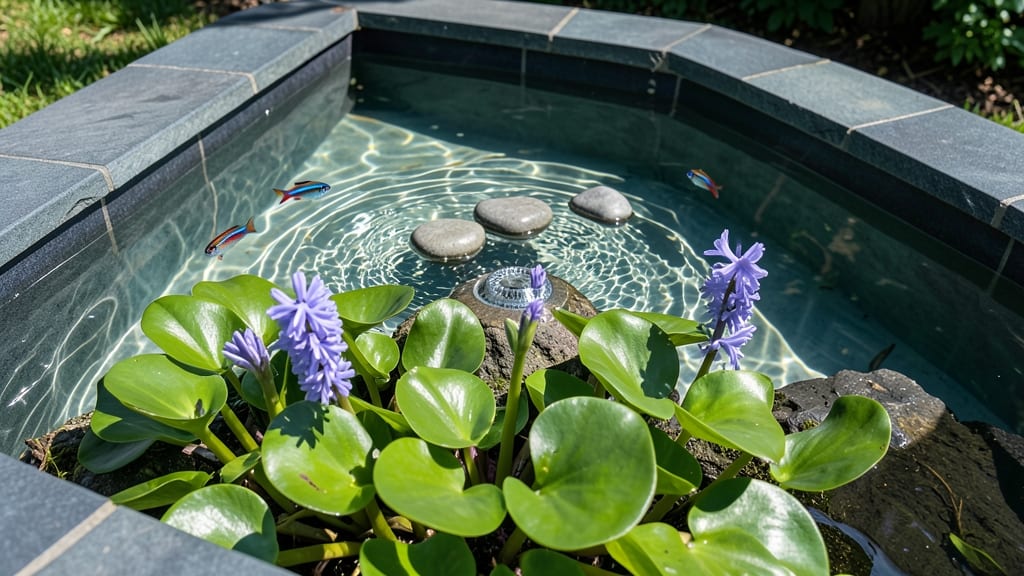
A water garden tub creates a self-sustaining ecosystem when stocked with floating plants like water hyacinth or water lettuce, which naturally filter impurities while thriving in shallow 4-8 inch depths. Marginal plants such as dwarf lily pads also excel in small spaces, offering beauty without demanding high maintenance.
A water garden tub transforms even limited spaces into a mini aquatic paradise by focusing on plants that multiply quickly while keeping water clean. 🌿 The key is selecting species that match your tub's conditions—floating varieties like water hyacinth absorb excess nutrients, while marginal plants like dwarf cattails add structure without overcrowding.
These plants also create natural shade that discourages mosquito larvae, making them a practical choice for outdoor areas. For best results, position your tub where it gets 4-6 hours of indirect sunlight daily, and use a gravel substrate to support root growth while preventing clogging.
What's fascinating about these plants is how they work together: the floating varieties purify the water by absorbing nitrates, while the marginal plants add visual interest at the water's edge. This balance means you'll spend less time on maintenance and more time enjoying the serene atmosphere.
I've found that adding a small solar fountain not only enhances the aesthetic but also keeps the water oxygenated naturally.
💡 In This Article
- Selecting Low-Maintenance Water Garden Tub Plants
- Setting Up a Thriving Water Garden Tub in Small Spaces
Selecting low-maintenance water garden tub plants
The secret to a thriving water garden tub lies in understanding how different aquatic plants function together.
Floating plants like water hyacinth (Eichhornia crassipes) and water lettuce (Pistia stratiotes) are nature's water purifiers—they absorb excess nutrients (like nitrates and phosphates) through their roots while providing shade that prevents algae blooms.
These plants multiply rapidly, which might seem like a downside, but their ability to outcompete algae makes them ideal for small tubs where water quality can degrade quickly.
Marginal plants, which grow at the water's edge, offer structural diversity without requiring deep water. Dwarf lily pads (Nymphaea spp.) and miniature cattails (Typha minima) thrive in just 2-4 inches of water and create natural barriers that prevent soil erosion while adding visual interest.
What's remarkable is how these plants work as a team: the floating varieties clean the water column, while marginal plants stabilize the substrate and provide habitat for beneficial insects like dragonflies, which prey on mosquito larvae. This ecosystem synergy means less manual maintenance for you.
Sunlight requirements vary dramatically between species, and this is where many gardeners make mistakes. Floating plants like water hyacinth can tolerate partial shade but truly flourish with 4-6 hours of direct sunlight daily—their broad leaves capture maximum light for photosynthesis.
In contrast, submerged oxygenators like hornwort (Ceratophyllum demersum) don't need direct light at all, as they absorb nutrients through their entire surface area. The key is matching plant types to your tub's light conditions: if your space gets only morning sun, prioritize shade-tolerant varieties like water lettuce.
One often-overlooked benefit of these plants is their pest-deterrent properties. The strong aromas emitted by water hyacinth and the physical barriers created by marginal plants make your tub less appealing to mosquitoes and other pests. This is particularly valuable in urban areas where standing water can become a breeding ground.
The plants' rapid growth also helps maintain water quality by preventing stagnation—a common issue in small, enclosed water features. For example, a single water hyacinth plant can filter up to 20% of its weight in nitrates daily, making it one of the most efficient natural water treatment systems available.
When selecting plants, consider your tub's dimensions carefully. A 12-inch diameter tub can comfortably support 2-3 water hyacinth plants, while a larger 24-inch tub might accommodate 5-6 plants plus marginal species.
The general rule is to leave at least 6 inches of space between plants to prevent overcrowding, which can lead to stagnant water pockets. This spacing also allows you to easily monitor plant health and remove any that become too large. 🌿
For beginners, I recommend starting with a mix of water hyacinth and dwarf lily pads—they're the most forgiving choices. These plants are readily available at aquatic plant nurseries and often sold in small pots that can be gently placed in your tub.
Their hardiness means they'll survive occasional neglect, making them perfect for busy gardeners. What's more, their vibrant colors and textures transform even the simplest tub into a miniature aquatic landscape that requires minimal effort to maintain.