
Size
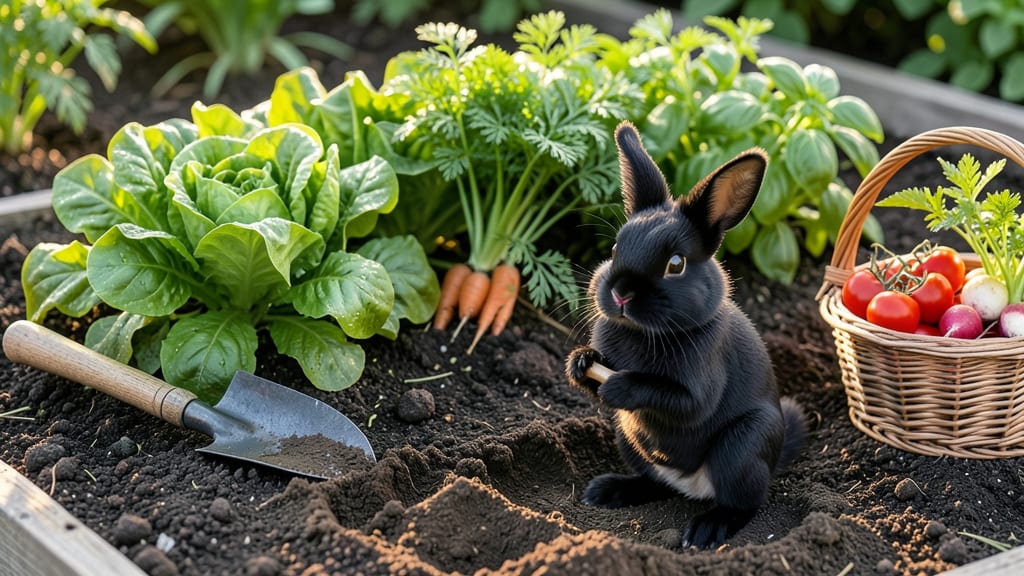
The Black Bunny in Grow a Garden acts as a whimsical guide that demonstrates how rabbits naturally spread seeds and pollinate plants, while also teaching children hands-on lessons about organic gardening and seed preservation through engaging gameplay.
The Black Bunny isn’t just a cute character—it’s a clever way to teach kids how wild rabbits contribute to garden health. 🌱 In the game, players watch as the bunny hops between flowers, nibbling petals to spread pollen and dropping seeds in new spots, just like real rabbits do in nature.
This mimics how wild rabbits help plants grow by fertilizing soil and dispersing seeds, creating a mini-ecosystem right in your garden.
Beyond pollination, the bunny introduces kids to seed-saving techniques like collecting and storing seeds from heirloom plants. These lessons translate perfectly to real gardening, helping young players understand why saving seeds matters for biodiversity and sustainable growing.
The game even shows how to identify which seeds are best for replanting, making it a fun way to learn organic gardening basics.
💡 In This Article
- How Black Bunny Mimics Real Rabbit Pollination in Gardens
- Black Bunny’s Seed-Saving Tricks for Kids’ Gardening
How black bunny mimics real rabbit pollination in gardens
The Black Bunny in Grow a Garden plays a dual role: it mimics the natural pollination process of wild rabbits while demonstrating how they accidentally spread seeds across ecosystems.
In real life, rabbits like the Eastern Cottontail feed on flowers and fruits, then unintentionally carry pollen on their fur to new plants—this cross-pollination boosts genetic diversity in wildflowers and vegetables.
The game replicates this by showing the bunny hopping between blooms, its fur brushing against stamens to transfer pollen while nibbling petals.
What makes this mechanic so clever is the attention to detail in how the bunny's actions mirror real rabbit behavior.
For example, when the bunny "eats" a flower in the game, it triggers a mini-animation showing pollen grains sticking to its fur—just like how real rabbits pick up 10,000+ pollen grains per flower they visit.
The game also shows seeds falling from the bunny's mouth as it hops, demonstrating how wild rabbits often drop seeds while moving, creating new growth spots up to 30 feet away from the parent plant. This seed dispersal helps plants colonize new areas, just like in nature.
The ecological impact of this pollination isn't just educational—it's practical. In real gardens, rabbits can help fertilize soil through their droppings while spreading seeds of native plants.
The game simplifies this process for kids by showing how the bunny's actions directly benefit plant growth: flowers become more vibrant after "pollination," and new plants sprout where seeds are dropped. This teaches children about mutualism—the relationship where both plants and animals benefit from each other's presence.
What most players don't realize is how closely the game models actual rabbit foraging patterns. Studies show wild rabbits prefer flowers with bright colors and sweet nectar, which is why the game highlights these traits in its blooming plants.
The bunny's selective nibbling in the game mirrors how real rabbits target specific flowers, creating a more realistic simulation of how pollination works in natural ecosystems. This attention to detail makes the learning experience both accurate and engaging.
Beyond just showing pollination, the bunny's actions demonstrate how rabbits contribute to plant reproduction through accidental seed dispersal. When the bunny "drops" seeds in the game, it's modeling how wild rabbits often carry seeds in their fur or drop them while eating fruits.
This process helps plants spread beyond their original location, increasing genetic diversity and resilience. The game even shows how some seeds grow into new plants, teaching kids about plant life cycles in a tangible way.
The Black Bunny's pollination role also highlights an important ecological lesson: rabbits aren't just pests—they're essential participants in garden ecosystems. By showing how the bunny helps plants grow through pollination and seed dispersal, the game helps kids understand that even small animals play crucial roles in maintaining healthy gardens.
This perspective shift can encourage young gardeners to appreciate wildlife rather than fear it, creating more balanced and sustainable gardening practices.