
Tools
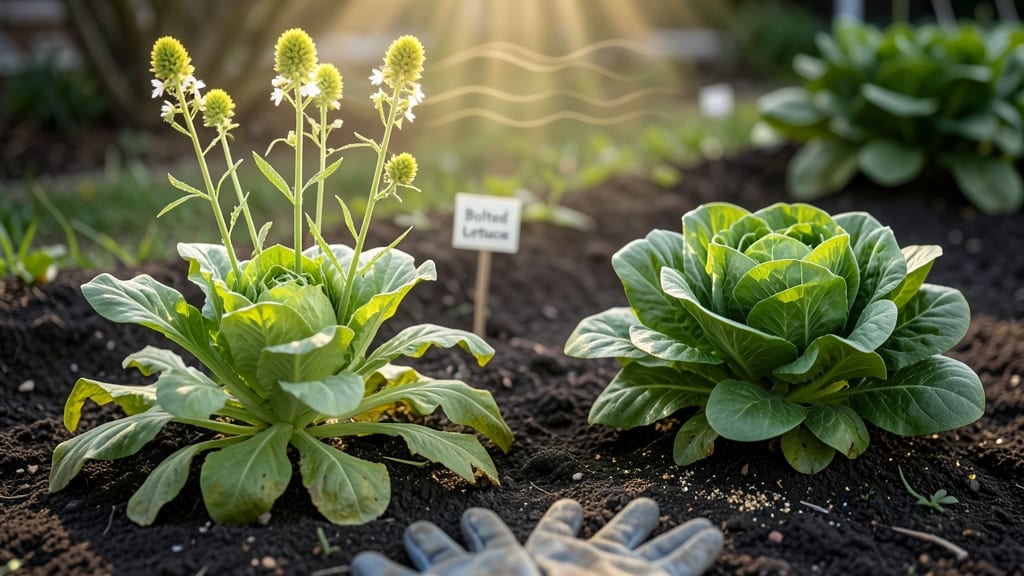
What does bolt mean in gardening? It refers to when a plant suddenly produces a tall flower stalk, halting leaf growth and often causing bitter flavors before the plant fully matures. This premature flowering occurs due to stress factors like heat, drought, or age in vegetables and herbs.
When plants bolt, they shift their energy from leaf production to flowering, which can ruin your harvest. 🌱 This happens because stress signals—like extreme temperatures or inconsistent watering—trigger hormonal changes that force the plant into its reproductive phase.
For example, lettuce and basil are particularly prone to bolting when exposed to sudden heat waves, even if they thrive in cooler conditions. Understanding these triggers helps gardeners adjust planting schedules or use shade cloth to protect sensitive crops.
Not all plants bolt for the same reasons, though.
Cool-season crops like spinach may bolt when days get too long, while warm-season plants like tomatoes might bolt when soil temperatures spike. 🌡️ The key is observing your plants' behavior and adjusting care routines to prevent this unwanted shift from leafy growth to flowering.
💡 In This Article
- Why Plants Bolt and How Stress Triggers Flowering
- Preventing Bolting in Leafy Greens and Herbs
Why plants bolt and how stress triggers flowering
Bolting occurs when plants undergo a dramatic hormonal shift from vegetative growth to reproductive mode, triggered by environmental stressors. The process begins with increased production of ethylene gas—a plant hormone that signals aging—and gibberellins, which promote rapid stem elongation.
These chemical changes redirect nutrients from leaf production to flower development, often within just 2-4 weeks of stress exposure. 🌱 For example, basil plants exposed to temperatures above 80°F will often bolt within 7-10 days, sending up a tall, woody stalk that renders the leaves bitter and tough.
The specific triggers vary by plant type. Cool-season crops like lettuce bolt when day lengths exceed 14-16 hours or soil temperatures rise above 75°F, while warm-season plants such as Swiss chard may bolt when night temperatures drop below 50°F.
Even minor stressors like inconsistent watering or poor soil drainage can accelerate this process. The visual difference is striking: instead of lush, tender leaves, you'll see a 2-3 foot flower stalk emerging from the center of the plant, often accompanied by yellowing leaves and a strong, unpleasant aroma.
Genetics also play a crucial role. Some plant varieties are bred for bolting resistance, particularly in heat-tolerant lettuce strains like 'Black Seeded Simpson' or basil varieties like 'Genovese'. These cultivars can withstand slightly higher temperatures before bolting, but no plant is completely immune to stress-induced flowering.
The key difference lies in how quickly they respond—while some may take 3-4 weeks to bolt under stress, others may show signs within just 5-7 days, depending on the species and growing conditions.
What most gardeners don't realize is that bolting isn't just about heat—it's a survival mechanism. Plants evolved to bolt when conditions become unfavorable for growth, ensuring they can reproduce before dying. This explains why even well-watered plants in rich soil may bolt during sudden heat waves.
The hormonal response is so powerful that once triggered, it's nearly impossible to reverse, though you can sometimes harvest existing leaves before the plant fully shifts its energy to flowering. 🌡️
Consider the case of spinach: when day lengths increase in spring, the plants detect this as a signal to bolt. Within 10-14 days, they'll produce a tall stalk with yellow flowers, making the leaves tough and bitter.
The same process happens in herbs like cilantro, which bolts rapidly when exposed to prolonged heat, transforming from tender leaves to woody stems with white flowers. Understanding these biological triggers helps gardeners make informed decisions about planting times and environmental management.
The science behind bolting involves complex interactions between light, temperature, and plant hormones. For instance, red light wavelengths (600-700nm) promote flowering, while far-red light (700-800nm) delays it. This explains why shade cloth can sometimes prevent bolting in heat-sensitive plants by altering the light spectrum they receive.
The bottom line: bolting is a plant's way of adapting to changing conditions, but for gardeners, it often means lost harvests and wasted effort. ✨