
Planting
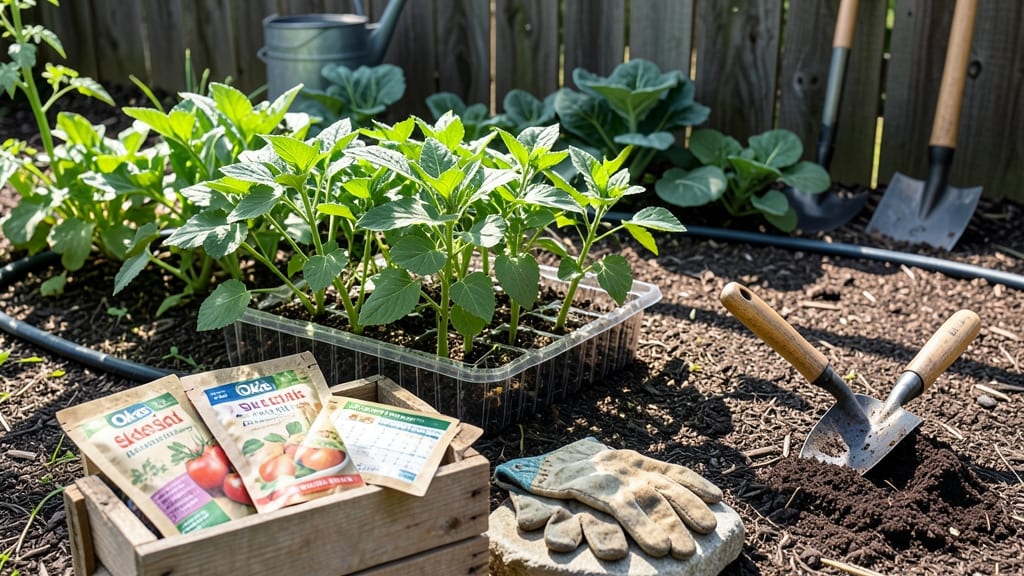
Planting your garden in Alabama at the right time means the difference between a thriving harvest and wasted seeds.
Alabama’s diverse microclimates mean your garden’s success hinges on planting at the perfect time—miss the window, and you risk frost damage, stunted growth, or wasted seeds. Here’s how to align your planting schedule with Alabama’s USDA zones, frost-free dates, and heat-tolerant crop needs for a bountiful harvest.
From the cooler elevations of Huntsville (Zone 7a) to the balmy coastal plains (Zone 8b), each region has its own ideal planting window. Learn when to sow seeds directly into warm soil and when to transplant tender seedlings to avoid the dreaded late frost or scorching summer heat.
Discover the exact frost-free dates for your area, the best crops for each season, and how to adjust your schedule based on whether you’re gardening in Birmingham’s urban heat or the cooler mountain valleys.
Alabama’s frost-free dates by region: exact planting windows for heat-loving vegetables
Alabama’s three distinct USDA zones—7a (North), 7b-8a (Central), and 8b (South)—create wildly different planting windows for heat-loving crops. In Zone 7a (e.g., Huntsville), the last frost typically arrives March 15-April 1, while Zone 8b (Mobile, Dothan) enjoys frost-free conditions by February 15-March 1.
These differences mean your tomatoes or peppers in Birmingham may need to hit the ground 2-3 weeks earlier than those in Montgomery.
For heat-loving vegetables like okra and sweet potatoes, timing is everything. Plant too early, and cool soil stunts growth; too late, and you risk bolting before harvest. My rule?
Start seeds 4-6 weeks before your region’s last frost date for transplant-ready seedlings, or direct-sow after soil reaches 65°F—usually mid-April in North Alabama and early March in the South.
Key takeaway: Southern Alabama’s longer growing season lets you push fall crops like collards into October-November, while Northern gardeners must rush to harvest before the first frost in mid-November. Below, I’ve broken down exact planting windows by crop and zone, plus tricks to extend your season in cooler microclimates.
| Region & Zone | Last Frost Date | Tomatoes (Days to Transplant) | Peppers (Days to Transplant) | Okra (Direct Sow) | Sweet Potatoes (Slips) |
|---|---|---|---|---|---|
| North Alabama (Zone 7a) | March 15–April 1 | April 15–May 1 (45–60 days before last frost) | April 20–May 10 | May 15–June 1 (soil 70°F+) | April 1–April 15 (after last frost) |
| Central Alabama (Zone 7b–8a) | February 28–March 15 | March 15–April 1 (45–60 days before last frost) | March 20–April 1 | April 15–May 1 (soil 65°F+) | March 1–March 15 (after last frost) |
| South Alabama (Zone 8b) | February 1–February 15 | February 15–March 1 (longer season) | February 20–March 10 | March 15–April 1 (soil 60°F+) | February 1–February 15 (earliest slips) |
| All Regions | First Frost: Nov 1–Dec 1 (varies) | Harvest before first frost | Harvest before first frost | Plant 2 crops for succession | Harvest before first frost |
In North Alabama’s Zone 7a, where frosts linger until early April, I’ve learned to start tomatoes indoors by March 1 for transplanting after the last frost. For peppers, which need warm soil, I wait until mid-April to avoid stunted growth.
My okra goes in mid-May when soil temperatures hit 70°F—any earlier, and the seeds rot.
Central Alabama’s Zone 7b-8a (think Birmingham, Montgomery) offers a 2-week head start over the North. Here, I plant
Zero-frost risk crops for Alabama: what to plant in early spring vs. late summer
Alabama gardeners know timing is everything—especially when balancing early spring chills with late summer heat. The key to a thriving garden lies in selecting zero-frost risk crops that align with your region’s microclimate.
Whether you’re in North Alabama’s Zone 7a or South Alabama’s Zone 8b, these crops will reward you with robust growth and bountiful harvests.
Cold-hardy vegetables like kale and peas thrive when planted in early spring (February–March), while heat-loving squash and collards shine in late summer (July–August). Below, I’ve broken down the best crops for each season, including Alabama-specific varieties and their ideal planting windows to avoid bolting or frost damage.
🌱 Alabama’s Zero-Frost Risk Crops by Season
- 1 Early Spring Crops (Feb–March): Plant kale, peas, and spinach for cool-season harvests. Use Alabama Blue Peas or Winterbor Kale for local resilience.
- 2 Late Summer Crops (July–Aug): Opt for squash, melons, and collards. Try Southern Curly Collards or Butternut Squash for heat tolerance.
- 3 Transplant Timing: Move tomatoes and peppers after April 15 in North Alabama or March 15 in South Alabama to avoid frost.
- 4 Heat-Tolerant Herbs: Basil and cilantro (sown in late summer) thrive in Alabama’s humidity. Harvest basil before it bolts in 90°F+ heat.
- 5 Avoid Bolting: For leafy greens, use shade cloth in late spring to delay bolting. Lettuce and spinach prefer 50–60°F soil temps.
For North Alabama, prioritize cold-hardy crops like broccoli and carrots in early spring, while South Alabama can push okra and sweet potatoes into late summer. Always check soil temperatures—most seeds need 60–70°F to germinate.
Pro tip: Use row covers for early spring crops to protect against late frosts. In late summer, mulch heat-loving plants to retain moisture. Alabama’s long growing season (240–300 frost-free days) lets you experiment with successive plantings for continuous harvests.
Start with these zero-frost risk crops, and your Alabama garden will flourish—no matter the season! 🌿