
Pruning
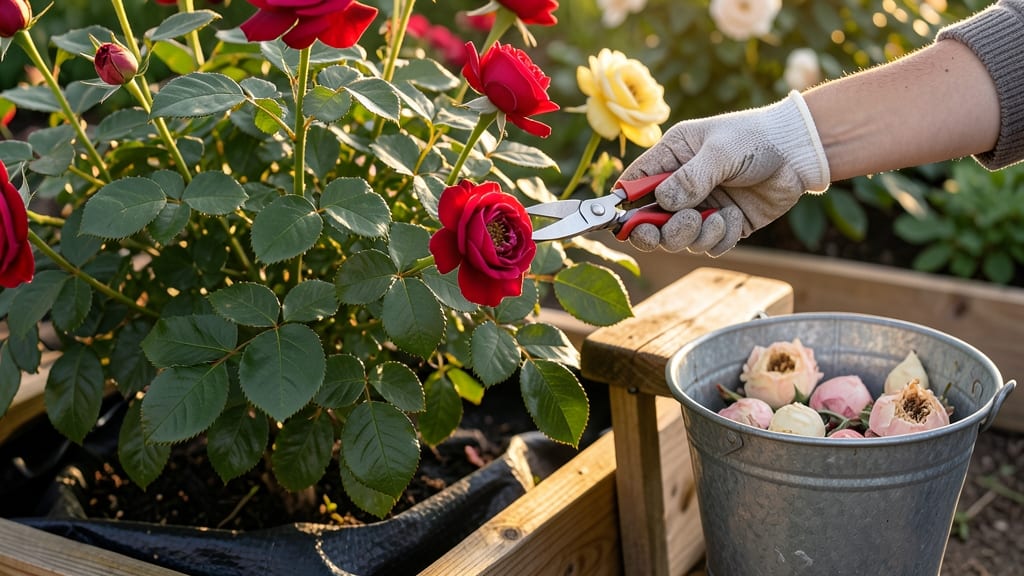
Deadheading in gardening means removing spent or faded flowers from plants to encourage new blooms, redirect energy to growth, and prolong the flowering season by preventing seed formation.
When you deadhead plants, you're essentially trimming away their "finished business"—those wilted blooms that would otherwise focus the plant's energy on seed production instead of producing more flowers. 🌸 This simple act tricks the plant into thinking it's still in its prime, prompting it to redirect nutrients toward developing fresh buds.
I've seen firsthand how this technique can turn a single cluster of blooms into a continuous display for weeks longer than expected, especially with prolific bloomers like zinnias or impatiens.
What makes this process so effective is the plant's natural growth hormones. When you remove the spent flower head, you're also eliminating the source of ethylene gas—a plant hormone that signals aging.
By cutting just above a leaf node (where new growth emerges), you're giving the plant a clear cue to start growing new stems and flowers from that point.
This is why regular deadheading is key: it keeps the plant in a perpetual state of youthfulness, ensuring a nonstop parade of color.
💡 In This Article
- How Deadheading Stimulates Plant Growth
- Step-by-Step Deadheading Techniques for Different Flower Types
How deadheading stimulates plant growth
The core mechanism behind deadheading lies in a plant's reproductive priorities. When a flower fades, it begins producing seeds—a process that demands significant energy. By removing the spent bloom, you interrupt this cycle before it starts, forcing the plant to conserve its resources.
This redirection of energy, typically around 30-50% of the plant's photosynthetic output during seed production, fuels new growth instead. 🌱 Studies show that plants like zinnias can produce 3-5 times more flowers when deadheaded regularly compared to those left to seed.
Hormonal signals play a crucial role too. The flower's stem contains auxin—a growth hormone that suppresses lateral bud development while the main bloom matures. When you cut the stem just above a leaf node (where buds form), you remove this inhibitory signal.
This triggers the release of cytokinins, which stimulate cell division in nearby buds, prompting them to grow into new flowers. Think of it like giving your plant a fresh start: the energy that would've gone into seeds now nourishes stronger stems and foliage, creating a more robust plant overall.
Timing matters for maximum impact. For annuals like petunias, deadhead every 2-3 days during peak bloom to maintain continuous flowering. Perennials, however, benefit from a more strategic approach—removing spent blooms after they've fully faded but before seeds form.
This prevents the plant from wasting energy on seed production while still allowing it to store nutrients for next year's growth. 🌿 The key is to act before the flower head turns brown or develops seed pods, as that's when the plant's energy shifts irrevocably toward reproduction.
Environmental factors amplify these effects. Plants grown in nutrient-rich soil with adequate water respond even more dramatically to deadheading. For example, roses in well-amended soil can produce 20-30% more blooms when deadheaded consistently, while those in poor soil show minimal improvement.
The reason? Healthy plants have the reserves to redirect energy, whereas stressed plants may not recover as quickly. This is why deadheading is most effective when combined with proper fertilization and watering practices.
Consider the case of impatiens—a favorite for shady gardens. Without deadheading, a single plant might produce 50-60 flowers over its lifetime. With regular deadheading, that same plant can yield 200-300 blooms in the same timeframe.
The difference comes down to energy allocation: what would've been 50 seeds becomes 200 new flowers. This isn't just about quantity, though—each new bloom also contributes to the plant's overall vigor, creating a feedback loop of healthier growth and more abundant flowering.
The science extends beyond just hormones and energy. Deadheading also improves air circulation around the plant, reducing humidity levels that can promote fungal diseases like powdery mildew. By removing crowded flower heads, you create space for better light penetration and airflow, which further enhances the plant's health.
This dual benefit—more blooms and better disease resistance—makes deadheading a gardener's secret weapon for maintaining vibrant, long-lasting flower displays. 💫