
Plants
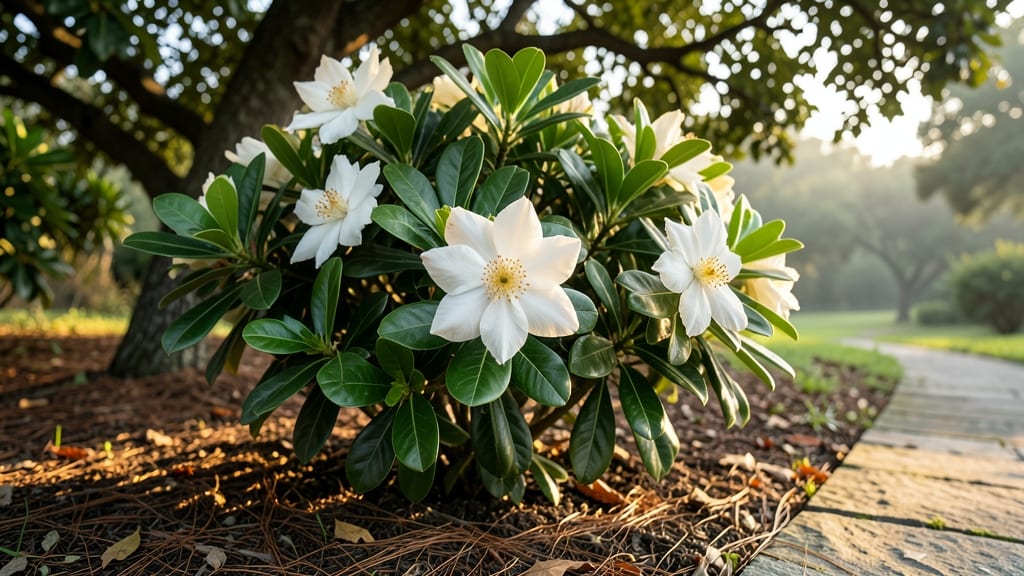
Gardenia flowers smell like a velvety blend of creamy vanilla, sweet tropical citrus, and delicate jasmine, creating an intoxicating aroma that's both luxurious and deeply soothing. Their fragrance deepens after sunset, making them a favorite in perfumes and home decor.
This signature scent comes from a complex mix of natural compounds like linalool and benzyl acetate, which work together to create that signature creamy richness. 🌸 The flowers' waxy petals actually trap and amplify their aroma, which is why gardenias are often called "heavy" scents—they linger long after picking.
Many perfumers compare their fragrance to a warm, tropical hug, especially when grown in full sun with well-draining soil. The best part? Their scent naturally intensifies in the evening, making them perfect for nighttime relaxation or romantic garden settings.
To make the most of this fragrance at home, try growing gardenias in slightly acidic soil and pruning them after blooming to encourage more fragrant flowers. You can also preserve their scent by drying the petals for potpourri or using them in sachets—just avoid direct sunlight to prevent fading. 💫
💡 In This Article
- The Science Behind Gardenia’s Signature Fragrance
- How to Maximize Gardenia Scent in Your Garden or Home
The science behind gardenia’s signature fragrance
Gardenia’s intoxicating aroma comes from a precise chemical cocktail of volatile organic compounds (VOCs) released by its waxy petals. The star players are linalool (a floral aldehyde that creates that creamy, citrusy base) and benzyl acetate (a sweet, jasmine-like ester that adds depth).
These compounds are produced in specialized cells called osmophores located on the petal surfaces, which act like microscopic scent factories. When you crush a gardenia petal, you’re actually rupturing these cells and releasing their concentrated fragrance—this is why the scent becomes more intense when flowers are handled or dried.
The waxy coating on gardenia petals serves a dual purpose: it protects the flower from moisture while also trapping scent molecules near the surface.
This creates what botanists call a "closed-system aroma," where fragrance lingers for hours instead of dissipating quickly. 🌸 At 20-25°C (68-77°F), these compounds reach their optimal volatility, which explains why gardenias smell strongest on warm summer evenings.
The petals’ thick cuticle layer also reflects light differently than thinner petals, creating that signature velvety appearance that visually reinforces the luxurious scent experience.
What makes gardenias unique in floral chemistry is their night-blooming intensity. Studies show their VOC production peaks between 8 PM and midnight, when temperatures drop slightly and humidity rises—ideal conditions for scent diffusion.
This nocturnal fragrance boost is why gardenias are so prized in perfumery; their natural timing aligns perfectly with evening relaxation rituals. The combination of linalool’s citrus brightness and benzyl acetate’s sweetness creates that signature "tropical vanilla" profile that’s both exotic and comforting.
Gardenias are classified as "heavy" or "long-lasting" blooms because their scent molecules have large molecular weights (typically 150-200 Daltons), which means they evaporate more slowly than lighter floral scents like lavender.
This slow release is why a single gardenia bloom can perfume an entire room for 24-48 hours after picking. The petals’ structure also creates tiny air pockets that act as scent reservoirs, further extending their aromatic lifespan. 💫
For comparison, consider how a gardenia’s scent profile stacks up against other tropical flowers: while frangipani offers a more citrus-forward punch and plumeria has a coconut-like creaminess, gardenias uniquely combine these elements with an underlying vanilla base.
This complexity is why they’re often called the "queen of tropical flowers"—their fragrance isn’t just strong, but multi-layered, with each note unfolding at different times throughout the day.
The science behind gardenia scent also explains why they’re so effective in aromatherapy. The linalool content (typically 30-40% of total VOCs) has been shown to reduce stress hormones like cortisol, while benzyl acetate’s sweetness triggers the brain’s reward pathways.
This chemical synergy is why inhaling gardenia fragrance can feel like a sensory hug—it’s not just pleasant, but actively beneficial for relaxation.