
Size
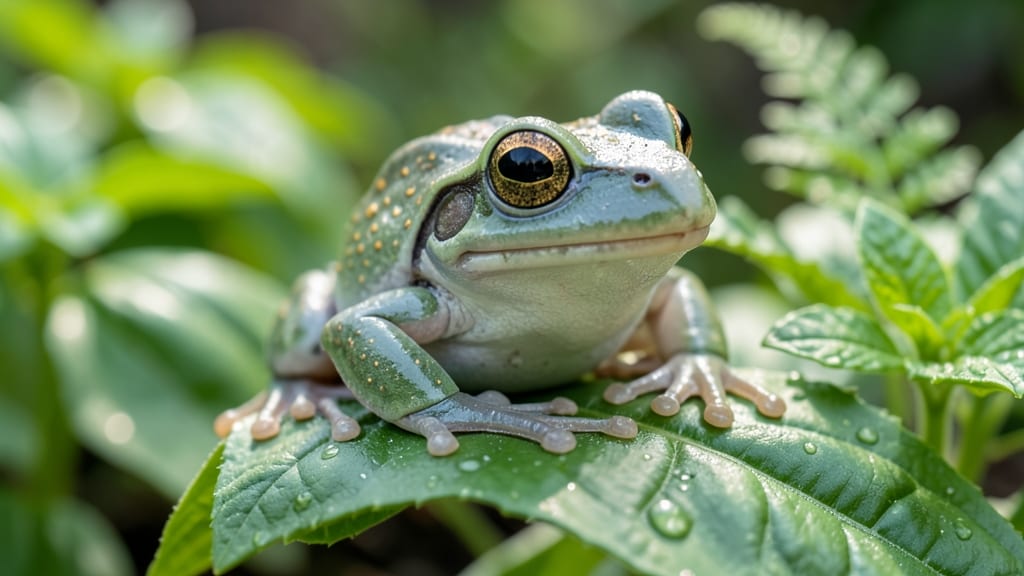
The frog pet in Grow a Garden acts as a natural pollinator by carrying pollen between flowers while hopping, and keeps your garden thriving by eating pests like slugs, aphids, and beetles, which cuts down on chemical pesticide needs.
The frog pet in Grow a Garden serves as a dynamic helper for your garden's ecosystem. 🐸 Unlike bees that focus on specific flowers, frogs move freely across your garden, transferring pollen between blooms as they explore.
This random movement actually boosts plant diversity by ensuring cross-pollination between different flower types. Plus, their diet of garden pests creates a natural balance—one frog can eat up to 100 pests per hour, including mosquitoes and beetles that damage plants.
What makes this especially valuable is how frogs contribute to organic gardening practices. By reducing the need for chemical pesticides, they help maintain soil health and create a safer environment for other wildlife.
Their presence also signals a balanced ecosystem—healthy soil, clean water, and diverse plant life all work together when frogs are part of the mix.
For gardeners looking to maximize their frog pet's benefits, providing shallow water sources and hiding spots with rocks or logs will encourage them to stay and thrive. This simple setup turns your garden into a self-sustaining habitat where nature does the heavy lifting for you.
💡 In This Article
- How Frogs Boost Plant Growth Through Pollination
- Natural Pest Control: Frogs vs. Chemicals in Gardening
How frogs boost plant growth through pollination
Frogs act as accidental pollinators by carrying pollen on their bodies while hopping between flowers. Unlike bees that focus on specific blooms, frogs move randomly across gardens, transferring pollen between different flower species.
This random movement actually increases genetic diversity in plants by ensuring cross-pollination between unrelated flowers—something bees often miss due to their flower preferences.
The mechanics work like this: As a frog lands on a flower, pollen sticks to its moist skin and legs. When it hops to the next bloom, some of that pollen rubs off onto the new flower's reproductive parts.
Studies show that frogs can transfer pollen up to 50 feet in a single hop, covering more ground than many insect pollinators. Their larger size also allows them to access flowers that bees can't reach, like those with deeper corollas or ground-level blooms.
This pollination method creates a more resilient garden ecosystem. When different plant varieties cross-pollinate, they develop stronger resistance to diseases and environmental stresses. For example, a garden with both tomatoes and peppers will produce healthier offspring when frogs facilitate cross-pollination between them.
The result? More robust plants that require fewer chemical interventions to thrive.
Frogs outperform bees in certain conditions too. While bees are most active during daylight hours, frogs remain active at dawn and dusk when many flowers are at their peak pollen production.
Their nocturnal activity means they're often the only pollinators working during these critical times, ensuring continuous flower reproduction throughout the day.
Consider this comparison: A single bee might visit 50-100 flowers in an hour, while a frog can cover 200+ flowers in the same time by hopping between plants.
The difference lies in their movement patterns—bees fly in straight lines between similar flowers, while frogs take winding paths that maximize pollen transfer opportunities across diverse plant species.
The real magic happens when you combine frog pollination with other garden helpers. While bees handle the fine details of single-species pollination, frogs handle the big-picture ecosystem work. Their presence means your garden gets both precision pollination and broad genetic mixing—creating a more vibrant and productive growing environment.