
Picking
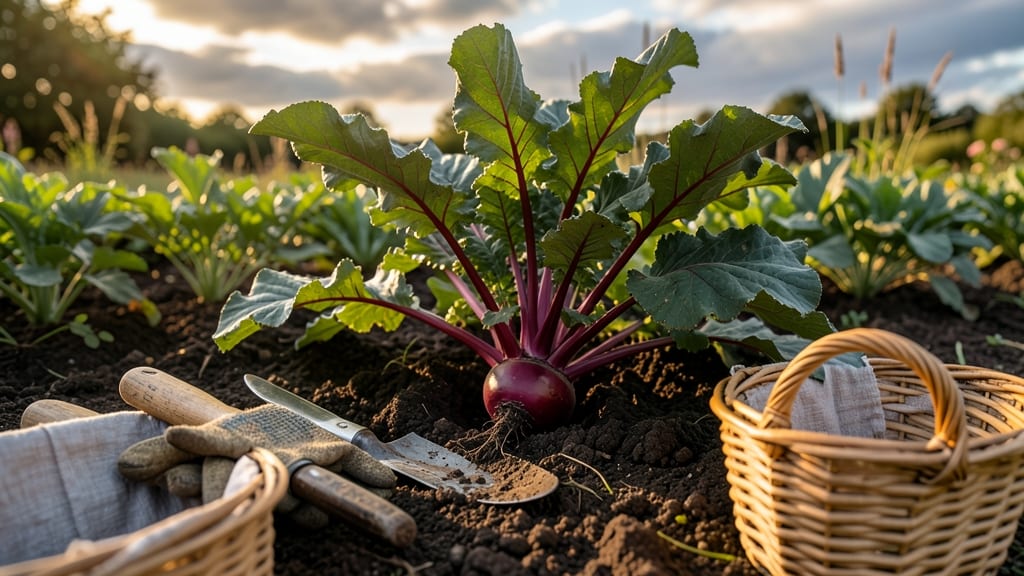
Harvesting beets from your garden at the right time means the difference between a tender, sweet crunch and a tough, woody mess 🍠 — and the key is knowing when to pull them.
Beets are one of the most versatile vegetables in your garden—but timing their harvest wrong means tough, woody roots instead of the sweet, tender crunch you crave. Mastering the perfect moment to pull them can transform your harvest from disappointing to downright delicious.
You’ll learn the three size and color clues that signal peak harvest time, plus how to avoid common mistakes like waiting too long or pulling them too early. No more guesswork—just perfect beets every time.
From vibrant skin to the right root diameter, here’s how to tell when your beets are ready for the table—and how to keep them fresh for weeks to come.


How to determine beet harvest time by size & root shape
Determining the perfect time to harvest beets comes down to two key factors: root diameter and root shape. Unlike many vegetables, beets don't have a single "one-size-fits-all" harvest window—they offer flexibility based on your preferred size and variety.
For example, child beets (like 'Baby Keeper') can be harvested as small as 1 inch in diameter, while full-sized varieties need 2-3 inches for optimal tenderness.
When checking root size, use your fingers to gently feel the diameter below the soil line. The ideal harvest window typically falls between 45-70 days after planting, depending on the variety.
For most gardeners, the sweet spot is around 50-60 days, when roots reach 2-3 inches in diameter. This size delivers that perfect balance of sweetness and texture.
The shape of the root also matters—look for a uniform, rounded bulb without any deep grooves or irregularities. Uneven shapes often signal stress from overcrowding or inconsistent watering. If you notice roots developing forked or misshapen bulbs, thin your plants immediately to give remaining beets room to grow properly.
| Variety Type | Ideal Diameter | Root Shape | Days to Harvest | Weight |
|---|---|---|---|---|
| Child Beets (e.g., 'Baby Keeper') | 1-2 inches | Smooth, rounded | 45-55 days | 3-6 oz each |
| Medium Beets (e.g., 'Detroit Dark Red') | 2-3 inches | Uniform, globe-shaped | 55-65 days | 6-12 oz each |
| Large Beets (e.g., 'Chioggia') | 3-4 inches | Smooth, elongated | 65-70 days | 12-20 oz each |
| Long Beets (e.g., 'Cylindra') | 2-3 inches (length) | Cylindrical, tapered | 50-60 days | 8-15 oz each |
For child beets, you can start harvesting as early as 45 days when roots reach just 1 inch in diameter. These smaller varieties are perfect for quick salads or pickling, offering a milder flavor.
If you're growing them for storage, however, wait until they reach at least 2 inches in diameter—they'll keep better and develop deeper flavor.
When checking root shape, focus on the top 1/3 of the beet that's visible above the soil. Healthy roots should have a smooth, unblemished surface with no signs of cracking or soft spots.
If you spot any irregularities, like deep grooves or bulges, these could indicate nutrient deficiencies or uneven watering. Address these issues immediately to salvage your remaining harvest.
Weight is another useful indicator—most medium-sized beets (2-3 inches in diameter) typically weigh between 6-12 ounces. To estimate weight without a scale, hold the beet in your hand: a properly sized beet should feel substantial but not overly heavy for its size.
Overly heavy beets may have absorbed too much water, diluting their flavor.
One pro tip: Harvest a few beets from different parts of your garden and taste-test them. This helps you determine the perfect balance of size and flavor for your specific growing conditions.
If your soil is particularly rich, beets may mature faster—always check size and shape before relying solely on days-to-harvest guidelines.
Remember that leaf health also plays a role. While checking root size, observe the top leaves. Healthy leaves should be dark green and vibrant. If they're yellowing or wilting, it could signal overmaturity or stress.
For the best results, harvest when both the roots and leaves look their best—this is your green light to pull them from the soil.
Finally, consider your climate zone. In cooler regions (USDA Zones 3-5), beets often mature more slowly and may need a few extra weeks to reach ideal size.
In warmer zones (Zones 6-10), they can bolt or become tough if left in the ground too long. Adjust your harvest timing accordingly to avoid these pitfalls.
Color changes that signal perfect beet harvest timing
When your beets develop their deepest, most vibrant colors, that’s your cue to harvest—especially for varieties like Detroit Dark Red or Golden Beets. The skin and flesh should match the variety’s expected hue, but don’t wait until they turn dull or develop wooden textures.
For example, Chioggia beets with their signature pink-and-white striped flesh are ready when the stripes are bold and consistent.
Cool-season beets (spring or fall plantings) mature faster and often show brighter colors earlier than those grown in warm weather. In hotter climates, beets may take longer to develop full color, so check for firmness and size alongside color cues.
If the weather turns unexpectedly hot, your beets might slow their color development—adjust your harvest timing accordingly.
Here’s how to match color cues to harvest readiness across beet varieties:
For child beets (harvested young), look for pale but consistent colors—they won’t have the depth of mature beets. These tiny roots are perfect for salads and should be pulled when they’re about 1 inch in diameter and the skin is just starting to show its variety-specific hue.
In my garden, I often harvest a few child beets early to enjoy while waiting for the main crop to mature.
If your beets develop dull or patchy colors, it could signal nutrient deficiencies (like lack of nitrogen) or uneven soil moisture. Adjust your fertilizer schedule or watering routine immediately to prevent further issues.
For example, yellowing leaves often mean your beets need more nitrogen, while pale skin might indicate inconsistent watering.
Once you spot the right color and size, harvest on a cool morning after light watering to make the roots easier to pull. Use a garden fork to loosen the soil around the beet, then gently tug—never yank, or you’ll risk bruising the roots.
Store them in a cool, dark place (like a root cellar) for up to 3 months to preserve their sweetness.
Pro tip: Cut the leafy greens at ground level to leave the root intact—this extends storage life and keeps the beet from sprouting new leaves. The fresher you eat them, the sweeter they’ll taste, so plan to use your harvest within 2 weeks for peak flavor.