
Tools
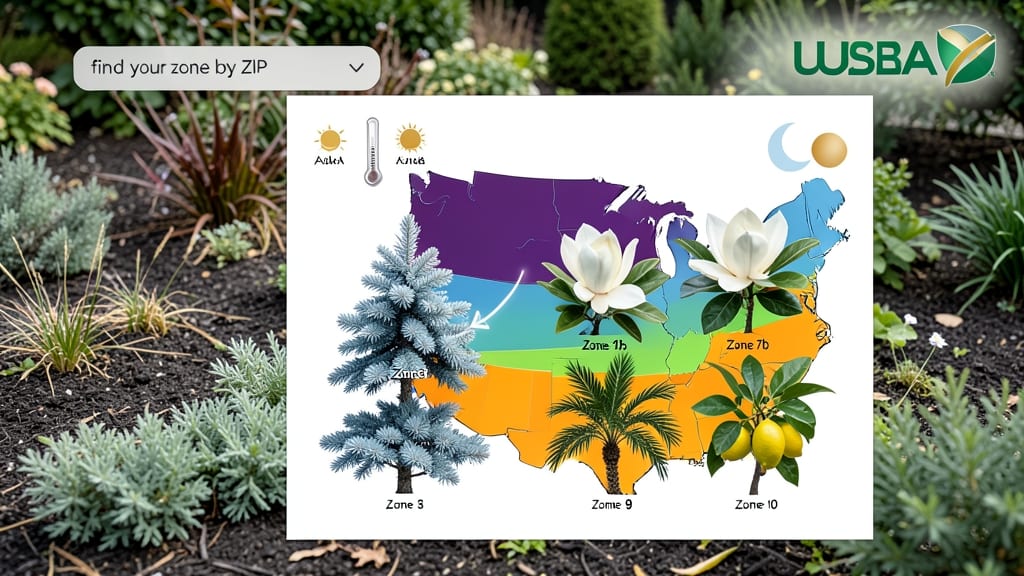
To determine your garden zone in 2025, check the updated USDA Plant Hardiness Zone Map for your exact county, which reflects the latest climate data and shifting temperature trends affecting plant survival ranges nationwide.
Your garden zone in 2025 is determined by your county's average minimum winter temperatures, measured in 10°F increments—this system helps gardeners select plants that thrive in their local climate. 🌱 The USDA updates these zones every few years to account for climate shifts, so 2025's map may show changes from previous years, especially in areas experiencing warming trends.
For example, a county that was Zone 7a in 2020 might now be Zone 7b due to rising temperatures, which could expand the types of plants you can successfully grow.
To find your exact zone, use the USDA interactive map and enter your ZIP code or county name. Many gardening apps also integrate this data, making it easy to access on-the-go.
Microclimates—like sunny south-facing slopes or sheltered valleys—can create variations within your zone, so always observe how plants perform in your specific yard conditions.
💡 In This Article
- How USDA Garden Zones Work and Why They Matter
- Finding Your Exact County Zone in 2025: Step-by-Step Guide
How USDA garden zones work and why they matter
The USDA Plant Hardiness Zone Map divides North America into 13 zones (1-13) based on average annual minimum winter temperatures. Each zone is further split into "a" and "b" subzones, representing 5°F temperature differences.
For example, Zone 6a has average winter lows of -10°F to -5°F, while Zone 6b ranges from -5°F to 0°F. This 10°F increment system helps gardeners match plants to climates where they'll survive winter dormancy without damage. 🌡️
These zones are calculated using 30-year climate averages from weather stations across the country. The USDA updates the map every 5-10 years to reflect long-term climate trends—recent versions show zones shifting northward or upward in elevation by half a zone or more in many regions due to warming.
For instance, parts of New England that were Zone 5b in 2012 may now be Zone 6a, allowing gardeners to grow previously unsuitable plants like peach trees that need Zone 6 protection.
Understanding your zone matters because it determines which plants will thrive year-round. A Zone 7a plant (average lows of -15°F to -10°F) won't survive in Zone 5b (-20°F to -15°F) without winter protection.
Conversely, tropical plants like citrus or bougainvillea, which need Zone 9-11, would freeze in Zone 7. The map also helps with last frost date predictions, which vary by zone and influence planting schedules. 🌱
Climate change complicates zone assignments. Warmer winters can push zones upward, but extreme cold snaps (like the 2021 Texas freeze) can create temporary "micro-zone" exceptions where plants die despite being in the "correct" zone.
This is why gardeners should also consider microclimates—small areas with unique conditions (like urban heat islands or sheltered valleys) that may be 1-3°F warmer or colder than the official zone average.
For example, a south-facing wall can create a Zone 8 microclimate in an otherwise Zone 7 area, allowing you to grow olive trees that wouldn't survive elsewhere in your yard. Conversely, a low-lying area might experience 5°F colder temperatures than the surrounding region.
These variations explain why some plants thrive in your garden while others struggle, even if they're within the zone's official hardiness range. 🌿
Beyond winter survival, zones influence growing seasons. Warmer zones (like Zone 9) have longer frost-free periods, allowing for year-round gardening of tropical crops, while colder zones (like Zone 3) limit options to hardy perennials and cold-tolerant annuals.
The USDA map also helps with pest and disease risk assessments, as warmer zones may introduce new invasive species that thrive in the changed climate conditions. 🐛
Here's what you can do with this knowledge: Use your zone to select cold-hardy plants for winter, plan frost dates for spring/summer planting, and adjust care routines (like mulching or winter protection) based on your specific climate risks.
For instance, in Zone 6, you might need to mulch heavily to protect tender perennials, while in Zone 10, you'd focus on summer heat tolerance and drought-resistant varieties. 💡