
Advice
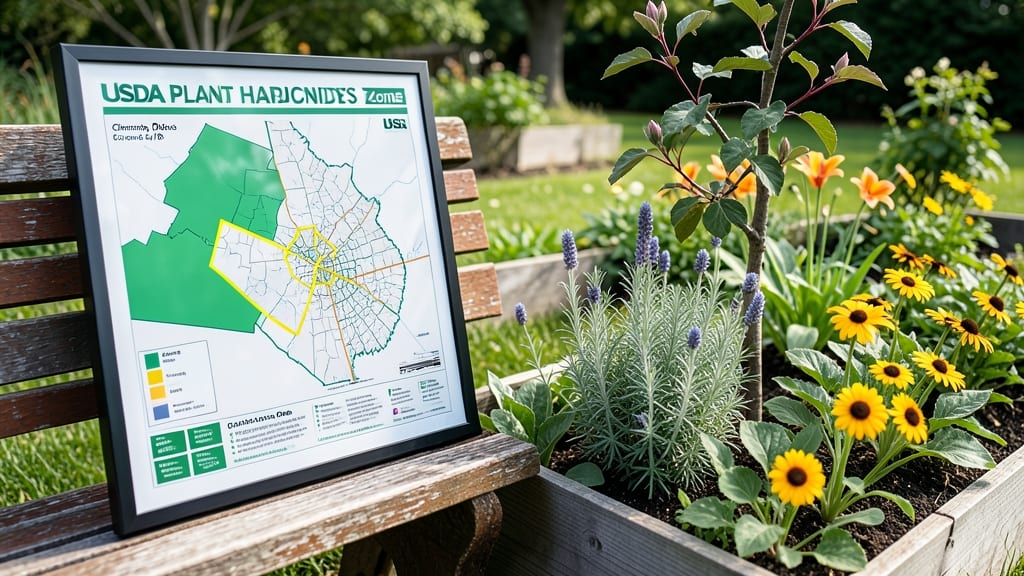
Cincinnati, Ohio, falls in USDA Hardiness Zones 6a and 6b, where the difference between a thriving garden and a struggling one often comes down to timing.
If you're planning your Cincinnati garden but unsure which plants will thrive, knowing your USDA zone is the first step to success—because Cincinnati's mild winters and hot summers create a unique growing environment that can make or break your harvest.
This means frost dates around April 15 for spring planting and October 15 for fall, giving you a 165-day growing season to work with. Whether you're planting 🌱 vegetables or perennials, understanding these zones helps you choose the right plants and avoid costly mistakes.
Below, I’ll break down what Zones 6a-6b mean for your garden, including the best plants for Cincinnati’s climate, how to extend your growing season, and where to verify your exact zone for precise planning.
Cincinnati’s USDA planting Zones 6a-6b: what it means for your garden
Cincinnati sits squarely in USDA Hardiness Zones 6a and 6b, where average minimum winter temperatures range from -10°F to 0°F (-23°C to -18°C). This classification determines which plants can survive Cincinnati’s mild winters and hot summers, shaping your entire planting calendar.
Understanding these zones helps you avoid frost damage while maximizing your garden’s potential.
Zone 6a covers areas with -10°F to -5°F (-23°C to -21°C) winters, while 6b experiences slightly warmer -5°F to 0°F (-21°C to -18°C) winters. Most of Cincinnati falls into 6b, but microclimates—like urban heat islands—can push some neighborhoods into 7a for brief periods.
Your USDA zone directly impacts last frost dates, which in Cincinnati typically occur around April 15 for spring planting. First frost in fall usually arrives October 15, giving you about 165 frost-free days to grow warm-season crops.
This window is critical for planning vegetable gardens and flowering plants.
The summary-table below breaks down key gardening metrics for Cincinnati’s zones, including planting windows, cold-hardy crops, and seasonal adjustments to help you align your garden with the climate.
| Category | Zone 6a Details | Zone 6b Details |
|---|---|---|
| Average Last Frost | April 10 | April 15 |
| Average First Frost | October 20 | October 15 |
| Frost-Free Days | 155-160 days | 160-165 days |
| Cold-Hardy Crops | Kale, Broccoli, Spinach | Peas, Lettuce, Radishes |
| Heat-Tolerant Crops | Tomatoes, Peppers, Okra | Sweet Potatoes, Corn, Cucumbers |
| Spring Planting Window | April 20 - May 15 | April 15 - May 10 |
| Fall Planting Window | August 15 - September 10 | August 1 - September 15 |
| Microclimate Note | Urban areas may be 1 zone warmer | South-facing slopes extend season |
Knowing your USDA zone helps you select cold-hardy perennials like daylilies or coneflowers, which thrive in Zone 6b’s winters. For annual vegetables, timing is everything—plant tomatoes and peppers only after the last frost, while spinach and kale can handle cooler spring temperatures.
Cincinnati’s hot summers (often exceeding 90°F) demand heat-tolerant varieties like okra or sweet potatoes. If you’re unsure about your exact zone, use the USDA Plant Hardiness Zone Map or check local resources like the Ohio State University Extension for microclimate adjustments.
Microclimates play a huge role in Cincinnati. Urban gardens near buildings or pavement may experience Zone 7 conditions, while rural areas or elevated spots might lean toward Zone 5. Adjust your planting schedule accordingly—south-facing gardens warm up faster in spring, while north-facing beds stay cooler longer.
For frost-sensitive plants, like eggplants or basil, consider starting seeds indoors 6-8 weeks before the last frost or using row covers to extend the season. This strategy gives you an extra 2-3 weeks of growing time before fall frosts arrive.
Your USDA zone also influences perennial care. Plants like hydrangeas or roses need winter protection in Zone 6a but may thrive without it in Zone 6b. Always check a plant’s USDA zone range before purchasing to avoid disappointment.
To verify your exact zone, use the USDA Interactive Map and enter your street address. For Cincinnati
Best plants for Cincinnati’s USDA zone 6a-6b: a seasonal planting guide
Cincinnati’s USDA Zones 6a-6b offer a perfect balance for gardeners—cool winters and warm summers that support a wide variety of vegetables, flowers, and herbs. With a 165-day growing season, you can grow everything from frost-hardy greens to heat-loving tomatoes.
The key is timing: plant cool-season crops early and late, while warm-season plants thrive in the heart of summer.
I’ve curated this list to highlight the top-performing plants for Cincinnati, organized by planting season. Whether you’re a beginner or a seasoned gardener, these varieties will help you maximize your harvest while working with Cincinnati’s unique climate.
🌱 Spring Planting (March-May)
- 🥬 Cold-Hardy Vegetables: Kale, Spinach, Peas, Lettuce, Radishes
- 🌷 Early Bloomers: Tulips, Daffodils, Pansies, Sweet Peas
- 🌿 Herbs: Chives, Cilantro, Parsley, Dill
☀️ Summer Planting (May-July)
- 🍅 Heat-Loving Vegetables: Tomatoes, Peppers, Eggplant, Okra, Southern Peas
- 🌼 Summer Flowers: Marigolds, Zinnias, Sunflowers, Cosmos
- 🌿 Heat-Tolerant Herbs: Basil, Oregano, Thyme, Rosemary
🍂 Fall Planting (August-October)
- 🥕 Cool-Season Crops: Carrots, Beets, Broccoli, Brussels Sprouts, Cabbage
- 🌺 Late-Blooming Flowers: Chrysanthemums, Asters, Snapdragons, Pansies
- 🌿 Fall Herbs: Parsley, Sage, Winter Savory
For spring planting, focus on cold-hardy varieties that can tolerate Cincinnati’s late frosts. Start seeds indoors in March for tomatoes and peppers, then transplant after the last frost date (April 15).
In summer, prioritize heat-tolerant plants like okra and sweet potatoes, which thrive in Cincinnati’s hot, humid conditions.
Fall is ideal for cool-season vegetables like kale and Brussels sprouts, which actually sweeten up after a light frost. Plant these by September 15 to ensure a harvest before the first frost (October 15).
Don’t forget perennials like lavender and Russian sage, which establish roots in fall for vibrant blooms next year.
Pro tip: Use mulch in late summer to protect fall crops from temperature swings, and consider row covers for early spring planting to extend your season even further. With the right plants and timing, Cincinnati’s Zone 6a-6b climate can reward you with a bountiful garden year-round!