
Planting
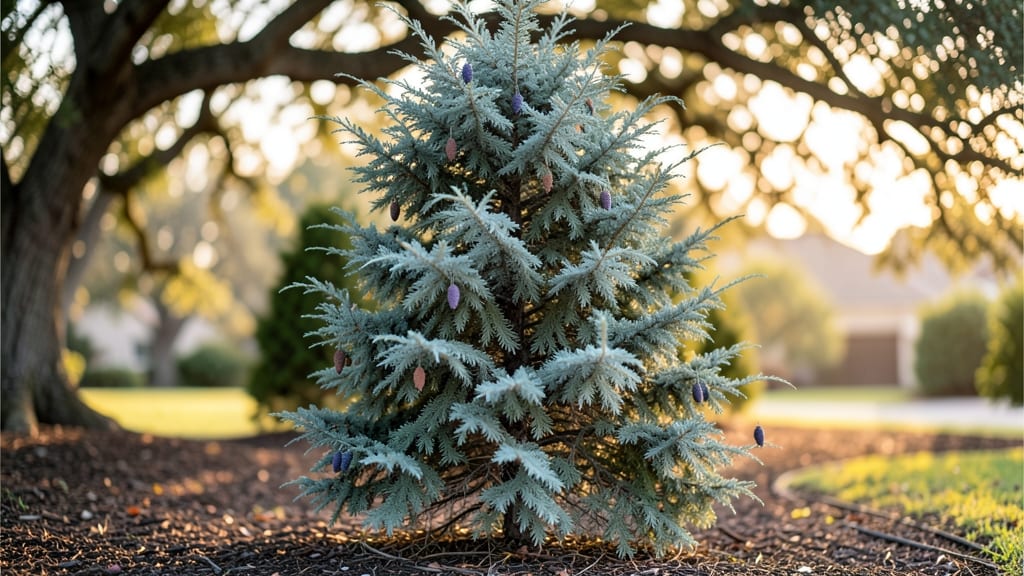
What gardening zone is Houston, TX? The city primarily falls within USDA Hardiness Zones 8a and 8b, with urban and coastal areas occasionally reaching Zone 9a due to heat retention and humidity. Always verify local microclimates for accurate planting schedules.
Houston's classification as Zones 8a-9a reflects its unique blend of coastal warmth and urban heat islands.
The city's subtropical climate means milder winters and longer growing seasons compared to inland Texas, but temperature variations can still occur between neighborhoods. 🌿 For example, areas near Galveston Bay may experience slightly warmer microclimates than those further inland, affecting frost dates and suitable plant varieties.
This zone variation directly impacts planting decisions. While Zone 8a typically allows for planting as early as February, Zone 9a areas might support year-round planting for heat-tolerant crops.
I recommend using the USDA Plant Hardiness Zone Map combined with local weather data to fine-tune your schedule and maximize your garden's potential.
💡 In This Article
- Houston’s Humid Subtropical Climate and Zone Variations
- Adjusting Planting Times for Houston’s Microclimates
Houston’s humid subtropical climate and Zone variations
Houston’s subtropical climate creates a unique gardening puzzle where humidity, coastal breezes, and urban heat islands collide to stretch the traditional zone boundaries.
The city’s proximity to Galveston Bay (just 50 miles southeast) brings warm, moist air that moderates winter temperatures, while the urban sprawl generates microclimates where pavement and buildings trap heat—sometimes pushing temperatures 5-10°F warmer than surrounding rural areas.
This explains why downtown Houston might experience Zone 9a conditions while suburban areas stay firmly in 8b.
The key difference between Houston’s zones and inland Texas comes down to heat retention and humidity levels. While Austin (Zone 8a) sees crisp winter nights that can drop below 20°F, Houston’s coastal influence keeps nighttime lows above 35°F most winters.
The Gulf’s moisture also means higher evaporation rates, which can stress plants differently than dryland climates. For example, a Camellia japonica (Zone 7-9) thrives in Houston’s Zone 8b/9a but may struggle in drier inland areas where winter desiccation becomes an issue.
These climate factors directly impact plant survival. The 10-15°F difference between Zone 8a and 9a translates to critical survival thresholds for tropical plants.
A Citrus aurantium (orange tree) might survive winters in Zone 9a but will need winter protection in Zone 8a. Similarly, Hibiscus rosa-sinensis (tropical hibiscus) can often overwinter in Houston’s warmer microclimates but may need container culture in cooler pockets.
The city’s extended 90+ day growing season (vs. 75 days inland) also means vegetables like sweet potatoes and okra can be planted earlier and harvested later.
Urban heat islands add another layer of complexity. Buildings and asphalt can create "heat domes" where temperatures in parking lots or downtown areas may reach 105°F in summer—up to 15°F hotter than nearby green spaces. This affects not just which plants thrive, but also their water needs.
Succulents that might thrive in a backyard garden could wilt in a downtown planter without daily watering. Conversely, shade-loving plants may struggle in full-sun urban areas without proper mulching.
What most gardeners don’t realize is how wind patterns from the Gulf interact with these zones. The prevailing southeast winds bring moisture that can create a 5°F temperature buffer along the coast compared to inland areas.
This coastal effect explains why areas near Clear Lake often see Zone 9a conditions, while neighborhoods further northwest might stay in 8b. The result? A gardener in Kemah might plant Canna lilies outdoors year-round, while one in Katy needs to treat them as annuals or provide winter protection.
To visualize these variations, think of Houston as a patchwork quilt: each neighborhood has its own microclimate influenced by elevation (even slight differences matter), proximity to water bodies, and urban density.
The USDA Zone Map provides a baseline, but local conditions—like your specific elevation above sea level or whether you’re near a large body of water—can shift your effective zone by half a zone or more.
For precise planning, I recommend using the USDA Zone Finder tool combined with your local weather station data for at least 3 years to identify your true microclimate.