
Vegetables
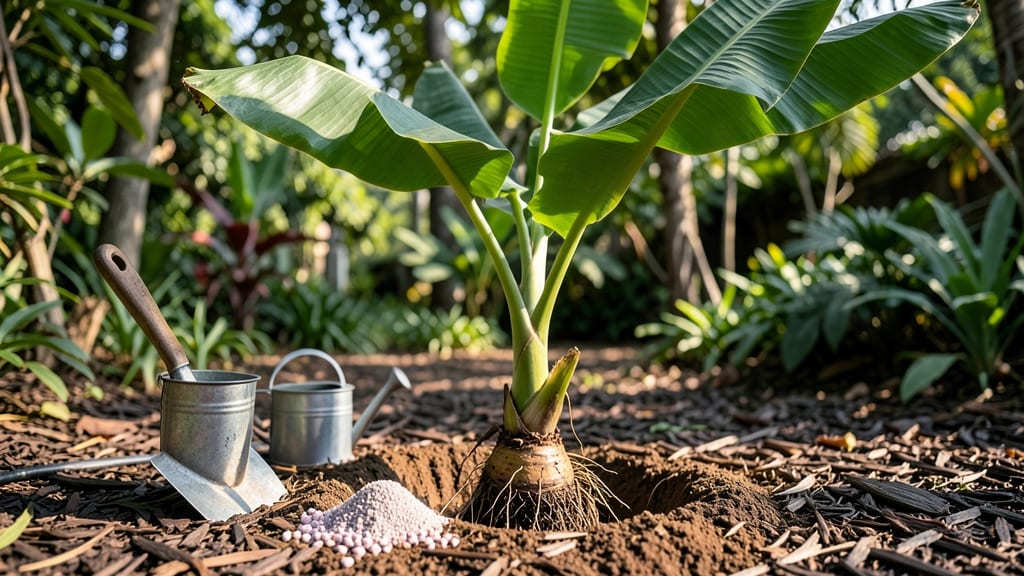
What happens when you plant bananas in your garden? You'll grow ornamental plants that develop slowly into decorative palm-like shrubs with broad leaves—but they almost never produce edible fruit. These seedlings thrive in warm climates but may take decades to mature, if at all.
Most home gardeners discover this surprising twist when they try growing bananas from grocery store seeds. 🌱 The seeds you find inside bananas are actually from sterile, seedless varieties—meaning they won't produce the sweet fruit you're expecting.
Instead, you're growing a decorative plant that can reach 6-10 feet tall with striking foliage, perfect for tropical-themed gardens.
The key difference lies in commercial bananas being triploid (three sets of chromosomes), making them seedless, while true banana seeds come from diploid varieties that do fruit—but these are rare in stores.
What's fascinating is how these plants adapt to your climate. In USDA zones 10-12, they'll grow vigorously, while in cooler regions, they'll struggle unless you move them indoors during winter. Many gardeners use them as living centerpieces—their large leaves create dramatic focal points in containers or garden beds.
The trade-off? You're investing years of care for a plant that may never bear fruit, but the ornamental value makes it worthwhile for those who love unique foliage plants.
💡 In This Article
- Banana Seed Germination and Early Growth Stages
- Growing Banana Plants from Seeds vs. Rhizomes
Banana seed germination and early growth stages
When you plant a banana seed, you're starting with a tiny, hard-coated embryo that must first overcome its dormancy period, which can last anywhere from 30 to 90 days depending on temperature and moisture.
The seed's outer shell contains a natural inhibitor that prevents premature sprouting, and warm, humid conditions (ideal for tropical plants) help break this dormancy. Once germination begins, you'll notice the seed splits open along its seam, revealing a small white radicle that pushes downward to anchor the seedling.
This stage is delicate—overwatering can cause the seed to rot, while too little moisture halts growth entirely.
The first leaves to emerge are called coleoptiles, which appear as long, narrow sheaths that protect the developing leaf blades. These early leaves are typically 3-6 inches tall when they unfurl, exhibiting a deep green color that contrasts sharply with the seedling's thin, pale stem.
What's surprising is how slowly these plants grow compared to other tropical species—some gardeners report their banana seedlings gain only 1-2 inches per month during the first year.
This slow growth is partly due to the plant's energy being directed toward root development rather than foliage, as it establishes itself in the soil.
The real magic happens when the plant reaches the 4-6 month mark, where it begins producing its signature banana-shaped leaves.
These leaves grow from a central pseudostem (a false stem made of tightly packed leaf bases) and can reach 2-3 feet in length within just a few weeks of emergence. The leaves' texture is smooth and slightly waxy, with prominent parallel veins that give them a striking architectural quality.
At this stage, many gardeners mistake the plant for a young palm tree—its ornamental appeal becomes immediately obvious, even if it's not producing fruit.
Here's where the genetics come into play: commercial banana seeds (like those from grocery store bananas) are almost always sterile triploids, meaning they won't produce edible fruit. The plants you grow will develop into decorative shrubs with 6-10 foot canopies but will never flower under normal conditions.
What's fascinating is that these plants often exhibit sexual dimorphism—male plants produce long, slender leaves while female plants develop broader leaves and may occasionally produce small, hard fruit that's inedible. This biological quirk explains why some gardeners report seeing tiny banana-like structures that never ripen.
For those hoping to grow edible bananas, the key is to start with diploid seeds from heirloom varieties, which require cross-pollination between different plants. Even then, fruiting can take 3-5 years and often requires specific environmental triggers like temperature fluctuations.
Most home gardeners in temperate climates will never see their banana plants fruit at all, which is why these plants are better suited as foliage specimens rather than food crops. The lesson here? Planting banana seeds is more about growing a living sculpture than a fruit-bearing tree.
What makes this process even more rewarding is watching the plant's adaptive behaviors. Banana seedlings are remarkably resilient once established—they can tolerate brief periods of drought by curling their leaves to reduce water loss, and their roots spread aggressively in search of nutrients.
In containers, they'll develop a shallow but wide root system, making them ideal candidates for large pots where you can rotate them to ensure even sunlight exposure.
The plant's ability to thrive in partial shade (unlike many tropical species) makes it surprisingly versatile for home gardens, even in less-than-ideal conditions.